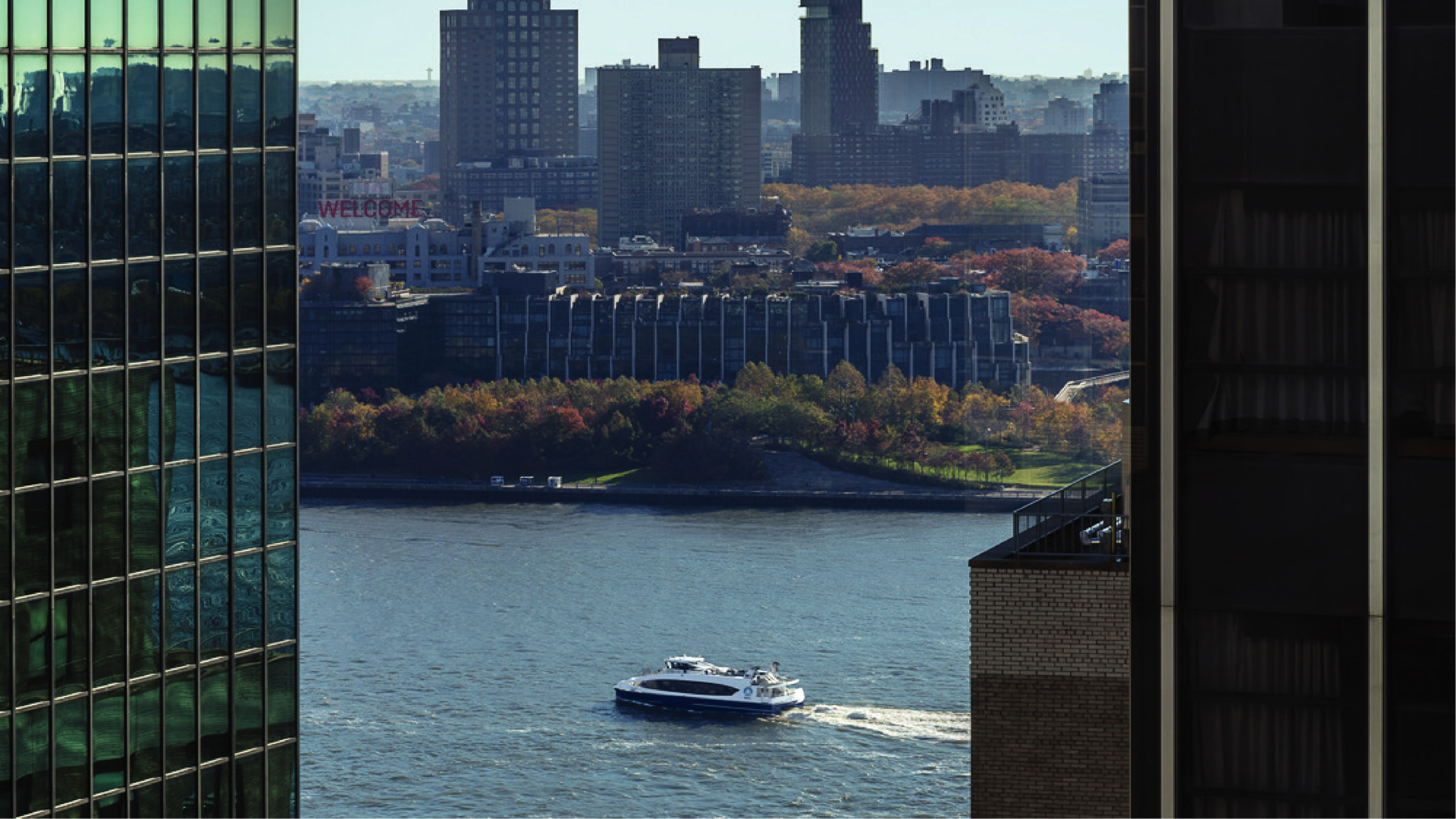
Wall Street isn't just a place. It's a vibe, a pressure cooker, and a history book all smashed into a few narrow blocks of Lower Manhattan. If you’re standing at the corner of Wall and Water, you’re looking at 100 Wall Street New York, a building that basically serves as the backbone for the neighborhood’s transition from old-school trading to the modern tech-finance hybrid we see today. People think every building here is a Neo-Gothic cathedral with marble lions. Not this one.
It’s sleek. It’s green. It’s surprisingly quiet inside.
Designed by Emery Roth & Sons and completed back in 1969, this 29-story tower doesn't try to out-shout the New York Stock Exchange. It just works. While the tourists are busy taking selfies with the Bull a few blocks away, the people inside 100 Wall are busy moving the world's capital.
The Reality of 100 Wall Street New York Today
You’ve probably heard that the Financial District (FiDi) is becoming a giant playground for luxury condos. While that's partially true—just look at the residential conversions happening at 20 Exchange Place—100 Wall Street remains a dedicated bastion for business. It offers about 520,000 square feet of Class A office space. That's a lot of desks.
Ownership changed hands in 2015 when Cornerstone Real Estate Advisers (now part of Barings) grabbed it for roughly $325 million. They didn't just sit on it. They poured money into it.
Why the location is actually a nightmare (and a dream)
Logistics in Lower Manhattan are kind of a mess. You have the FDR Drive right there, which is great until it’s 5:00 PM and everything turns into a parking lot. But for the tenants at 100 Wall Street New York, the "Water Street corridor" location is strategic. You are steps from the Pier 11/Wall Street Ferry. Honestly, taking a boat to work is the only way to commute in New York without losing your mind.
The building sits on a site that used to be underwater—or at least very close to it—back in the 1700s. The city literally grew into the East River. Today, that means you get these incredible, unobstructed views of the water from the higher floors.
- Proximity to Transit: It’s a five-minute hustle to the 2, 3, 4, 5, J, and Z trains.
- The "Lunch" Situation: You aren't stuck with sad salads. You’re near Stone Street, which has the best outdoor drinking and dining vibe in the city when the weather isn't garbage.
- The Tech Stack: The building is WiredScore Certified Gold. If the internet goes down in a place like this, people lose millions in seconds. It doesn't go down.
A Legacy of Resilience and Renovations
100 Wall Street New York has seen some things. It survived the fiscal crisis of the 70s, the craziness of the 80s "Liar’s Poker" era, and the physical devastation of Hurricane Sandy in 2012. Sandy was a wake-up call for the whole neighborhood. The basement flooded. The power died.
Since then, the building has been hardened.
The lobby was completely reimagined. If you walked in ten years ago, it felt a bit dated. Now? It’s all white marble, glass, and high-end lighting. It feels like a gallery. PCMR (Post-Capitalism Modern Real-estate) is the vibe here. Tenants like Lester Schwab Katz & Dwyer or PCG Advisory aren't just looking for four walls; they’re looking for a footprint that says they’ve arrived.
The Emery Roth & Sons Signature
You can't talk about NYC architecture without mentioning the Roths. They built half the city. Their style at 100 Wall Street is "International Style"—functional, rhythmic windows, and a strong vertical presence. It’s not "fancy" in the way the Woolworth Building is, but it has a rugged, corporate elegance.
It’s built with a side-core configuration. This is a big deal for office nerds. By putting the elevators and stairs on the side rather than the middle, you get huge, open floor plates. You can actually see from one side of the building to the other. In a city where most offices feel like a labyrinth of tiny cubicles, that openness is a massive selling point.
What it Costs to Be Here
Let's talk money. You’re looking at rents that typically hover in the $50 to $60 per square foot range, though that fluctuates wildly based on which floor you're on and how much "TI" (Tenant Improvement) money the landlord is throwing at you.
Compare that to Midtown.
Midtown is expensive and stuffy.
FiDi—and specifically 100 Wall—is where you go for a "Wall Street address" without the $150-per-square-foot price tag of a Hudson Yards penthouse.
The Shift to Boutique Finance and Tech
The era of the "Mega-Bank" taking up 20 floors is mostly over. Nowadays, 100 Wall Street New York is filled with a mix. You’ve got law firms. You’ve got fintech startups. You’ve got investment boutiques.
It’s a ecosystem.
One of the more interesting aspects of this building is its LEED Silver certification. In 2026, you can't just be a big glass box; you have to be efficient. The building uses advanced BMS (Building Management Systems) to track energy use. It’s a far cry from the "smoke-filled rooms" reputation Wall Street had in the 60s.
Surprising Details About the Neighborhood
Most people think Wall Street shuts down at 6:00 PM.
That’s a lie.
With the rise of the Seaport District just a few blocks north, this area stays busy. You have the Tin Building by Jean-Georges. You have the Rooftop at Pier 17. If you're working late at 100 Wall Street, you aren't walking out into a ghost town anymore. You're walking into one of the most expensive residential ZIP codes in America.
Navigating the Building's Future
The biggest challenge for 100 Wall Street New York isn't the competition—it’s the remote work trend. But Barings has doubled down on making the office "commute-worthy." This means better air filtration, more communal "breakout" spaces, and a lobby that doesn't feel like a security checkpoint at an airport.
They also lean heavily into the "hospitality" model of management.
If you are looking to lease space here, or even if you’re just visiting for a meeting, you notice the service. It’s a high-touch environment. The security staff actually knows the tenants' names. That matters when you're grinding out 12-hour days in the legal or financial sectors.
Actionable Steps for Professionals and Investors
If you’re eyeing 100 Wall Street New York for your business or just trying to understand the market, keep these points in mind:
- Check the Load Factor: If you're leasing, always ask about the "loss factor." In older NYC buildings, you might pay for 10,000 square feet but only be able to fit desks in 7,500 of them. 100 Wall’s side-core design makes it more efficient than most.
- Visit at Different Times: Walk the perimeter at 8:00 AM, 1:00 PM, and 6:00 PM. See the flow of the Water Street corridor. It’s a very different animal during the lunch rush than it is during the morning commute.
- Use the Ferry: If you’re coming from Brooklyn or Queens, stop using the subway. The Wall Street Ferry terminal is a three-minute walk from the front door. It will change your life.
- Leverage the Address: There is still immense "brand equity" in having "Wall Street" on your business card. Even in a digital world, the prestige of the 100 Wall Street New York address carries weight with international clients.
- Look for Pre-Built Suites: The building often has "plug-and-play" spaces. For smaller firms, this saves months of construction headaches and permits with the NYC Department of Buildings.
100 Wall Street New York isn't the tallest building in the skyline. It isn't the oldest. But it represents the "Real New York"—the one that gets up every morning, handles the world’s transactions, and keeps moving regardless of the economic weather. It’s a survivor. It’s a workhorse. And in a neighborhood full of icons, there’s something genuinely impressive about being the building that just gets the job done.