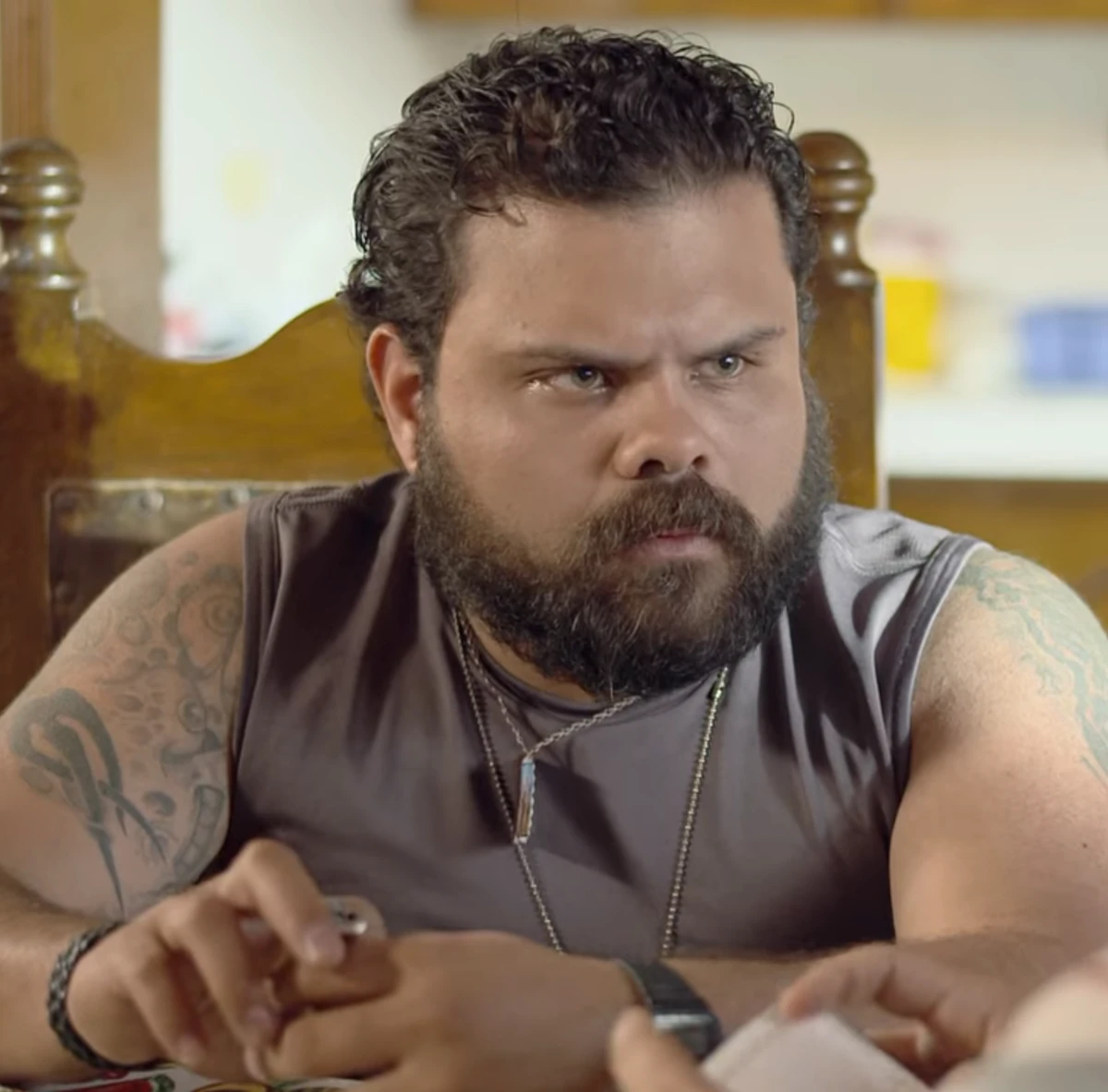
If you walked past an older man on a street in Barcelona today, you’d probably think he was just another retiree enjoying the Mediterranean sun. You wouldn’t see the shadow of 300 bodies. You wouldn’t see the architect of a mid-air explosion that changed Colombian history forever. But that is the strange, quiet reality of Carlos Mario Alzate Urquijo, the man the world once feared as "El Arete."
He wasn't just another street-level thug. Honestly, calling him a "hitman" feels like an understatement. He was the logistical brain for the Medellín Cartel’s most horrific acts of urban terrorism. While names like "Popeye" Velásquez grabbed the headlines and the Netflix cameos, Alzate Urquijo was the one Pablo Escobar actually trusted with the "big" jobs.
Then, he vanished.
The Man Behind the Alias
Born in Medellín in 1961, Carlos Mario Alzate Urquijo grew up in the exact kind of environment that bred the cartel’s most loyal soldiers. But he had a pedigree. His mother’s sister, Ligia Urquijo, was married to Roberto Escobar, Pablo’s brother. This wasn't just business; it was family.
He wasn't flashy. He didn't want the spotlight. That’s probably why he’s still breathing while most of his contemporaries are in the ground. By his early 20s, he had risen through the ranks to become the head of the sicarios (hitmen) for the Cartel. He was the gatekeeper. If you wanted to get to Escobar, you usually had to go through Arete first.
The Avianca Flight 203 Tragedy
Most people remember the bombing of Avianca Flight 203 as the moment the drug war became a war on humanity. On November 27, 1989, a Boeing 727 exploded over Soacha just minutes after takeoff from Bogotá. 107 people died.
Carlos Mario Alzate Urquijo later confessed to being the primary organizer of that bombing.
The target was presidential candidate César Gaviria. The problem? Gaviria wasn't even on the plane. His security team had advised him to stay behind at the last minute. Because of a logistical "error" by Alzate’s team, over a hundred innocent civilians were vaporized to kill one man who wasn't there. It remains one of the most senseless acts of violence in the history of aviation.
Why Did He Surrender?
By 1993, the walls were closing in. The Search Bloc was hunting down anyone with a Medellín address, and the rival "Los Pepes" group was murdering cartel family members. Alzate Urquijo saw the writing on the wall.
He did something most sicarios wouldn't dare: he turned himself in.
On February 17, 1993, he walked into a prosecutor's office in Medellín. He didn't just surrender; he talked. He confessed to the Avianca bombing, the DAS building truck bomb (which killed 63 people), and the assassination of various political figures. It was a goldmine for the government, but for the victims' families, it felt like a slap in the face.
He was sentenced to 20 years.
He served barely eight.
The Great Disappearing Act
This is where the story gets weird. After his release in late 2001, Carlos Mario Alzate Urquijo was targeted in an assassination attempt. It makes sense—he knew too much about everyone. He survived the shooting and, shortly after, effectively disappeared.
For years, the rumor mill was convinced he was dead.
Then, in recent years, reports surfaced from Spanish intelligence and investigative journalists like those at El Tiempo. They placed him in Spain, specifically Barcelona. He had reportedly changed his identity, adopted a low-profile lifestyle, and successfully integrated into a community that had no idea who he was.
He is essentially a ghost. While "La Quica" (Dandeny Muñoz Mosquera) sits in a U.S. prison serving multiple life sentences for the Avianca bombing—a crime he maintains he didn't commit—the man who confessed to it, Carlos Mario Alzate Urquijo, is a free man.
What Most People Get Wrong
There’s a common misconception that all of Escobar’s top lieutenants died in the 90s. We see the dramatized versions in Narcos and think it all ended with a rooftop shootout. It didn't.
- He wasn't just a gunman: Alzate was a master of explosives and urban logistics.
- The sentence wasn't "justice": Because of Colombia's lenient surrender laws at the time, his 300+ murders were "paid for" with less than a decade in a cell.
- The "La Quica" Controversy: Many legal experts and former cartel members suggest that the U.S. may have convicted the wrong man for the Avianca bombing, while the real architect, Alzate, walked free.
The Legacy of a Ghost
Why does this still matter in 2026? Because the wounds in Colombia haven't healed. For the families of those on Flight 203, there is no "closure." Seeing a man like Alzate Urquijo live out a peaceful retirement in Europe is a reminder of how easily the truly dangerous players can slip through the cracks of the justice system.
He represents the "gray area" of the drug war—the men who weren't the "bosses" but were the hands that held the detonators.
Actionable Insights for Researching Cartel History
If you're looking to understand the real structure of the Medellín Cartel beyond the movies, here’s how to dig deeper into the Alzate Urquijo story:
- Check the 1993 Surrender Archives: Look for the "Ley de Sometimiento" records. These documents detail exactly how the Gaviria administration negotiated with men like Alzate.
- Follow the Spanish Intelligence Reports: Periodic updates from news outlets like Cadena SER provide the most recent (and verified) sightings of former cartel members living in exile.
- Contrast the Testimony: Compare Alzate Urquijo’s 1993 confession with the trial transcripts of Dandeny Muñoz Mosquera in the United States. The discrepancies are massive and reveal a lot about how "truth" was manufactured during the drug war.
- Monitor Asset Seizures: Even in 2025, the Colombian Prosecutor's Office has been seizing properties linked to "El Arete" and his family members (like the recent 1,000 million peso seizure in Medellín). This shows that while he is gone, his financial footprint is still being erased.
The story of Carlos Mario Alzate Urquijo isn't over just because he's quiet. It's a living case study in how the most violent chapters of history can sometimes end not with a bang, but with a middle-aged man walking down a street in a city that doesn't know his name.