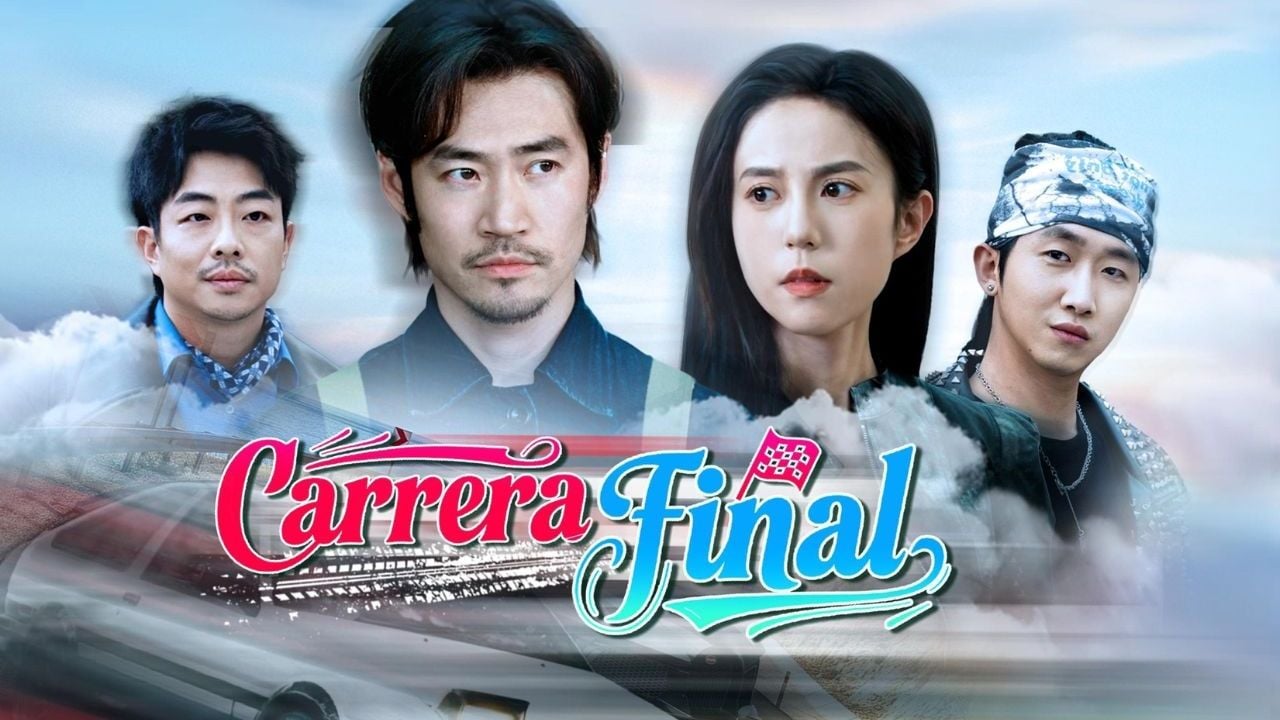
If you’ve been hanging around the Chinese drama scene lately, you’ve probably heard people whispering (or shouting) about Carrera Final. It’s one of those shows. You know the type. The kind that starts with a cool premise—racing, high stakes, a bit of romance—and then somehow turns into a massive cultural talking point because of how it wraps up. Honestly, the way Chinese dramas handle their endings can be a bit of a coin toss, and this one really leaned into the drama.
The Craze Behind Carrera Final
Why is everyone obsessed?
It’s the speed. Not just the cars on the track, but the emotional pacing. Carrera Final follows the journey of a young racer trying to break into the professional circuit while navigating a mess of family expectations and rivalries. It’s gritty. It feels real. It isn't just another idol drama with pretty faces and no substance. The production quality actually rivals some of the big-budget sports films we've seen out of South Korea or Japan.
The carrera final drama chino (as it's often tagged in search trends) stands out because it treats the racing world with genuine respect. They didn't just put actors in suits and call it a day; they used real tracks, real telemetry, and consultants from the professional racing world in China. That authenticity builds a lot of goodwill with the audience. But when you build that much tension, the landing has to be perfect. If it isn't? Well, that's where the internet meltdowns happen.
What Actually Happens in the Finale?
No spoilers, but sort of spoilers.
The ending of a sports drama usually follows a predictable path: the underdog wins the big race, gets the girl/guy, and rides into the sunset. Carrera Final decided to take a sharp left turn. It dared to ask what happens if "winning" doesn't look like a trophy. Some fans hated it. They wanted the traditional payoff. Others, though, argued it was the most realistic ending a C-drama has had in years.
There's this one specific scene toward the end—a quiet moment in the pit lane—that basically redefines the protagonist's entire motivation. It’s not about the car. It’s about the legacy. When you look at the carrera final drama chino, you're looking at a shift in how Chinese screenwriters are approaching "success." It’s becoming less about the external win and more about the internal peace.
Why C-Drama Endings Feel Different
If you're coming from Western TV, Chinese drama finales can feel... jarring. There’s a concept in Chinese storytelling often referred to as beiju (tragedy) or beixi (tragicomedy). Sometimes, a "happy ending" isn't the goal. The goal is "meaning."
- Emotional resonance over plot logic. Sometimes characters make choices that don't make "sense" for the plot but make total sense for their heart.
- The "Open Ending" trap. Censorship or the hope for a Season 2 (which rarely happens) can lead to endings that feel like they just... stopped.
- Cultural values. Sacrifice is a massive theme in C-dramas. In Carrera Final, the theme of sacrificing personal glory for the sake of the team or family is heavy.
The Production Quality of Carrera Final
Let's talk about the visuals for a second.
The cinematography in the final episodes is genuinely stunning. They used drone shots that make you feel the G-force. You can see the heat shimmer coming off the asphalt. It's clear the budget was dumped into these final sequences. Usually, dramas run out of money by episode 20, and the CGI starts looking like a PS2 game. Not here.
The lead actor—who spent months training on actual tracks—delivers a performance in the carrera final drama chino that feels weary. Exhausted. You can see the grime under his fingernails. That level of detail is why people are still searching for "Carrera Final" months after it finished airing. It’s the "hangover" effect. You finish the show, but you aren't done with the world yet.
Common Misconceptions About the Show
A lot of people think this is just a remake of older racing dramas like Initial D or even the more recent The King's Avatar (though that's e-sports). It’s not.
- It’s not just for car nerds. You don't need to know what a turbocharger does to understand the stakes.
- The romance isn't the main point. It’s there, but it’s a subplot. Don't go in expecting a "fluff" drama.
- It's darker than you'd think. There are moments of genuine loss that feel quite heavy for the genre.
Most viewers who went in expecting a lighthearted rom-com were probably disappointed by the time they reached the carrera final drama chino. This is a character study disguised as a sports show.
How to Watch and What to Look For
If you’re diving in now, watch it on the official platforms like iQIYI or WeTV. The subtitles are better, and you get the high-bitrate video that the racing scenes deserve.
Pay attention to the background characters in the final three episodes. The writers did a great job of closing out their arcs even without giving them much screen time. It’s a masterclass in "show, don't tell." You see a look between two mechanics, and you know their 30-episode rivalry is finally over. That’s good writing.
Real-World Racing Influence
The show actually draws some inspiration from the real-life struggles of the China Touring Car Championship (CTCC). If you look at the team names and the track layouts, there are Easter eggs for real racing fans. This isn't just a generic "go fast" story. It’s a love letter to the Chinese motorsport scene, which is often overshadowed by F1 or NASCAR in the West.
Actionable Steps for C-Drama Fans
If you've just finished the show or are about to start the final arc, here’s how to get the most out of the experience:
- Watch the Behind-the-Scenes (BTS) footage. Seriously. Seeing how they filmed the crash sequences and the cockpit shots makes the ending much more impactful.
- Check out the OST. The soundtrack for Carrera Final is top-tier. The main theme usually kicks in right when the tension peaks, and it’s a banger.
- Join the Weibo or Reddit discussions. The nuance in the ending is often better explained by fans who understand the specific cultural metaphors being used in the dialogue.
The carrera final drama chino might not be the ending everyone wanted, but it’s definitely the ending the story needed. It’s a bold, fast-paced, and ultimately moving piece of television that proves Chinese dramas are moving far beyond the "cookie-cutter" tropes of the past. If you want something that will make you think, make you sweat, and maybe make you a little bit angry—this is the one to watch.
Stop scrolling and just go watch the last three episodes again. Pay attention to the silence. Sometimes the loudest moments in a race are when the engines finally stop.