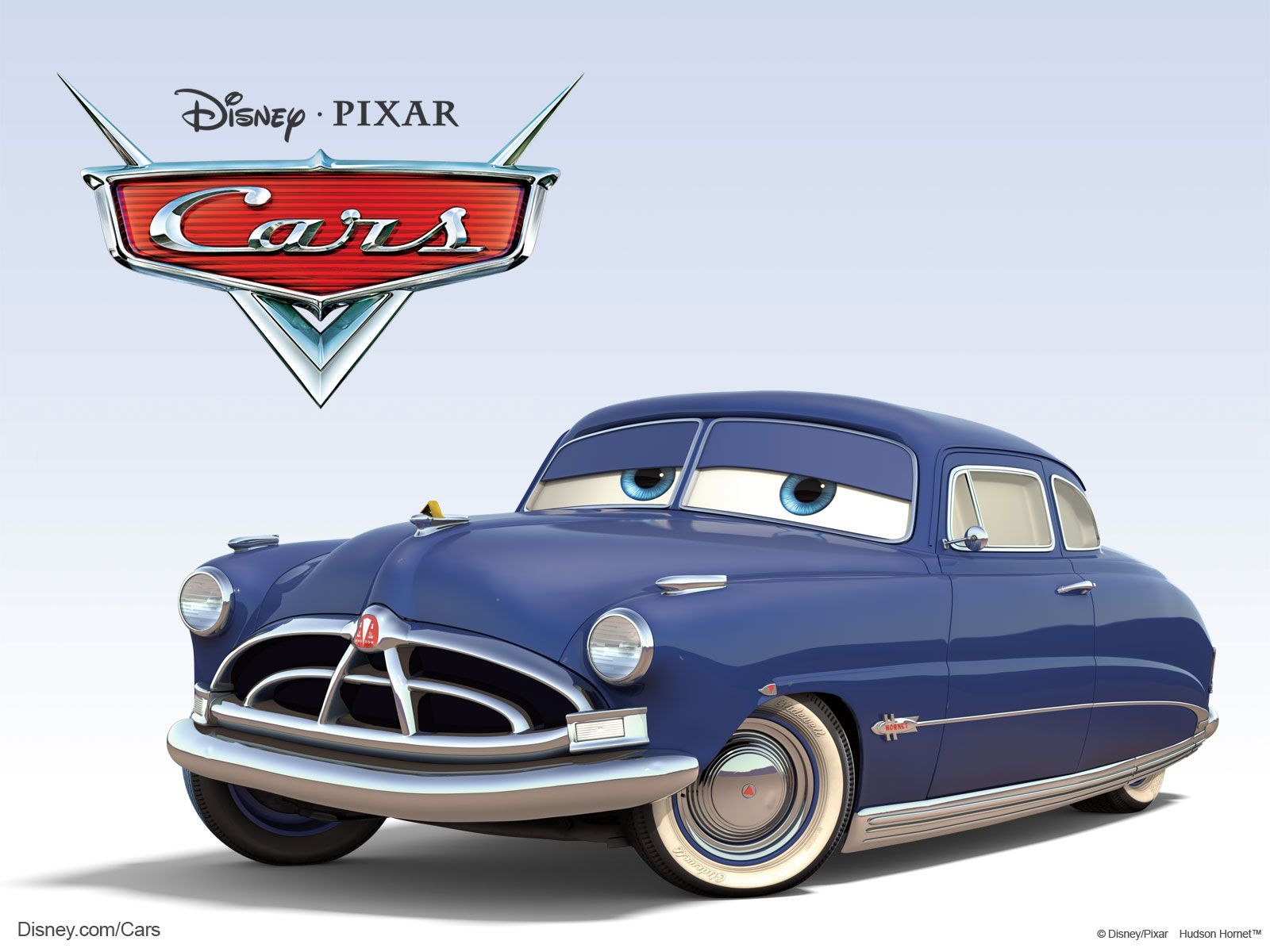
When you sat down to watch Cars 2 for the first time, something felt... off. It wasn’t just the shift from small-town racing to international espionage or Mater becoming a James Bond-style super-spy. It was the silence. Specifically, the silence where a certain 1951 Hudson Hornet should have been.
The absence of Cars 2 Doc Hudson is one of those rare moments where real-life tragedy forced a massive narrative pivot in a multi-billion dollar franchise. Fans kept waiting for him to show up in a post-credits scene or a surprise cameo. It never happened.
Doc was the soul of the first movie. He was the "grumpy old man" with a heart of gold and a trophy room full of Piston Cups. So, why did he vanish? Honestly, the answer is a mix of deep respect from the creators at Pixar and the heavy reality of losing a Hollywood legend.
The Real Reason Doc Hudson Stayed in the Garage
Let’s be real: Pixar could have easily recast the role. They’ve done it before. When Joe Ranft, who voiced Red, passed away in 2005, the character stayed. When George Carlin, the iconic voice of Fillmore, died in 2008, they brought in Lloyd Sherr to keep the hippie van alive.
But for Cars 2 Doc Hudson, John Lasseter—the director of the first film—refused to even consider it.
Paul Newman didn’t just voice Doc Hudson; he was Doc Hudson. Newman was a literal racing fanatic in real life. He didn't just play one on TV; he owned racing teams and competed well into his 80s. When Newman passed away from lung cancer in September 2008, just as pre-production for the sequel was ramping up, the Pixar team felt that replacing that gravelly, authoritative voice would be a betrayal.
Basically, if they couldn't have Newman, they wouldn't have Doc. It was a creative line in the sand.
How Cars 2 Handled the Loss
If you Blink, you might miss the explanation in the movie. Pixar didn't want to turn a fun spy adventure into a funeral, so they handled the Cars 2 Doc Hudson situation with a "less is more" approach.
Early in the film, there’s a quiet moment between Lightning McQueen and Mater. They’re looking at a display of Doc’s old trophies and the "Hudson Hornet Memorial Piston Cup." Mater asks if Doc would be proud of McQueen. Lightning’s response is short but heavy: "He would've been proud."
That was it. That was the confirmation. In the world of Cars, Doc Hudson had passed away between the events of the first and second films.
Key Tributes in the Sequel:
- The Piston Cup Rename: The championship was officially renamed the "Hudson Hornet Memorial Piston Cup."
- The Museum: Doc’s clinic in Radiator Springs was converted into a museum dedicated to his racing career.
- The Paint Job: McQueen continued to honor his mentor’s legacy through his crew and racing style, though he didn't fully adopt Doc's blue colors until Cars 3.
The Creative Vacuum
Taking Doc out of the equation changed everything for the plot of Cars 2. Think about it. In the first movie, Doc was the anchor. He kept Lightning humble. Without him, the writers had to find a new "elder statesman" figure, which is largely why we got Finn McMissile (voiced by Michael Caine).
But Finn wasn't a mentor. He was a spy.
This shift is actually why many fans felt Cars 2 lacked the emotional "hearth" of the original. Without Cars 2 Doc Hudson to ground the story, the franchise veered into high-octane zaniness. It was fun, sure, but the father-son dynamic that made the first film a classic was gone.
What Most People Get Wrong About Doc’s "Death"
There are a ton of wild fan theories out there. Some people think Doc died in a crash. Others think he just retired and moved away.
The truth? The lore implies he died of natural causes—or the car equivalent of "old age." In Cars 3, we see even more of the backstory, confirming that Doc spent his final years happy, mentoring McQueen and finally making peace with the racing world that had once turned its back on him.
John Lasseter once mentioned in an interview that he and Newman became close friends over their shared love of cars. He’d visit Newman in New York, and they’d just talk shop. That personal connection is why the character was retired alongside the actor. It wasn't a corporate decision; it was a mourning process.
The Long Road to Cars 3
It’s worth noting that while Cars 2 Doc Hudson was just a memory, the third movie actually brought him back using old recordings. Pixar went through hours of Newman’s "trash" audio—outtakes, booth chatter, and casual conversations from the first film’s recording sessions.
They found enough material to build a whole new narrative arc. It’s arguably one of the most respectful uses of a deceased actor’s voice in cinema history. They didn't use AI (which wasn't really a thing then anyway); they used the man’s actual breath and cadence from years prior.
Actionable Takeaways for Fans
If you're revisiting the franchise and want to catch all the Doc Hudson details you missed, here is how to spot the legacy:
- Watch the background in Radiator Springs: In the beginning of Cars 2, look at the walls of the clinic. The level of detail in the "Hudson Hornet Museum" is incredible.
- Listen to the dialogue: The mention of the "Hudson Hornet Memorial Piston Cup" is the official canon confirmation of his passing.
- Compare the Crew Chiefs: Notice how McQueen struggles without a proper mentor in the second film. Mater tries to fill the role, but he’s out of his depth. This is a subtle nod to how much McQueen actually relied on Doc’s wisdom.
- Skip to Cars 3 for the closure: If the lack of Doc in the second movie bothers you, the third film is essentially a love letter to the character and provides the "goodbye" we never got in 2011.
The legacy of the Hudson Hornet isn't just about a fast car. It's about the fact that even in a world of talking vehicles, some voices are simply irreplaceable. Pixar knew that, and by letting Doc Hudson rest, they gave Paul Newman the ultimate standing ovation.
To truly appreciate the depth of this tribute, go back and watch the first Cars and the third back-to-back. You'll see how the void left in the middle of the trilogy was actually a silent mark of respect.