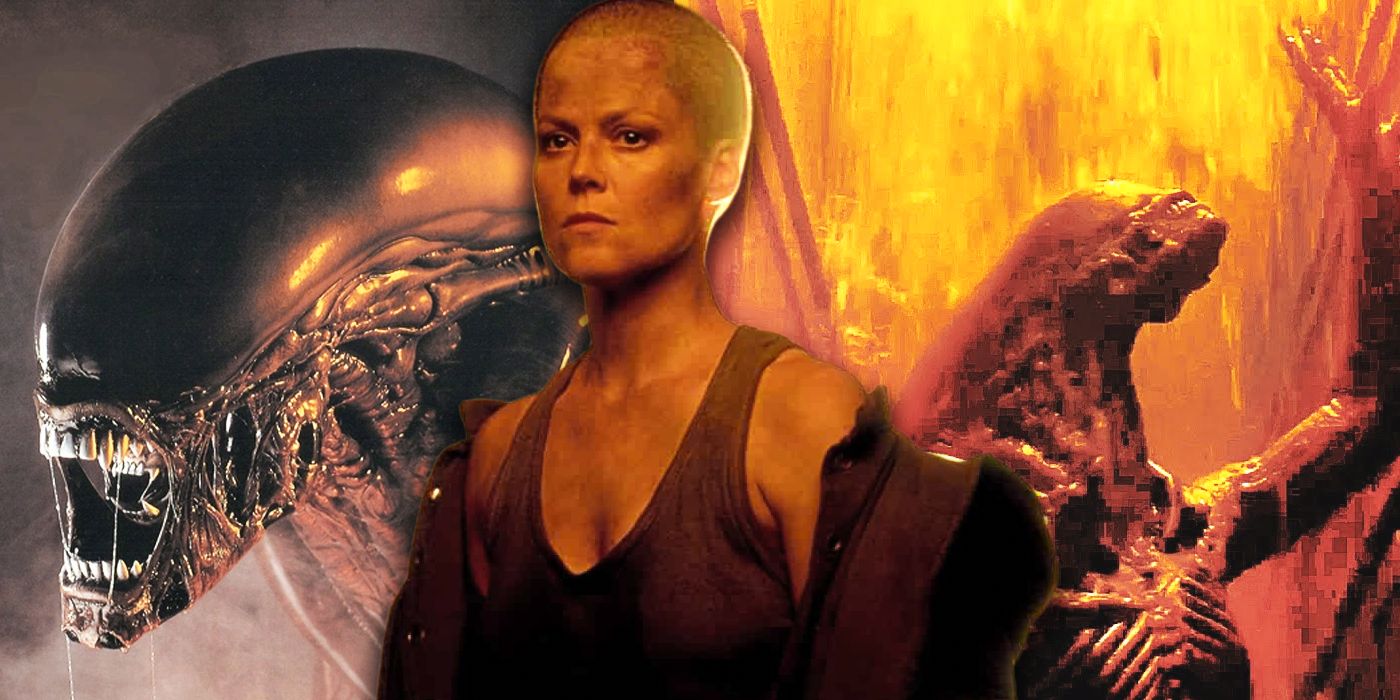
It’s been over thirty years, and David Fincher still won't talk about it. Well, not willingly. If you bring up the 1992 disaster that was his directorial debut, he’s likely to tell you he’d rather die of colon cancer than go through that again. Honestly, it's kinda legendary how much he hates this movie.
But for the rest of us, David Fincher Alien 3 is a fascinating piece of film history. It wasn't just a "bad movie." It was a two-year-long slow-motion car crash that nearly broke one of the greatest directors of our time before he even got started.
The Hellish Production of David Fincher Alien 3
When Fincher walked onto the set at Pinewood Studios, he was 28 years old. He had a background in music videos—basically the hotshot who directed Madonna's "Vogue." He thought he was there to make a great film. The studio, 20th Century Fox, thought they were hiring a puppet who would hit a release date and keep his mouth shut.
They were both wrong.
Production started without a finished script. Let that sink in. They were building multi-million dollar sets for scenes that hadn't been written yet. One week, the movie was set on a "wooden planet" full of monks. The next, it was back to a gritty prison colony because the studio got cold feet about the monk idea. Fincher was essentially "right out of Naval Academy School and put at the helm of the Titanic," as one friend famously put it.
A Script Written by Committee (and Panic)
Before Fincher even arrived, the project had chewed up and spat out some of the biggest names in sci-fi.
- William Gibson (the guy who basically invented Cyberpunk) wrote a draft.
- Renny Harlin was attached to direct and then bailed.
- Vincent Ward had the "monastery in space" idea that the producers loved until they realized how expensive it was.
By the time the cameras were rolling for the actual David Fincher Alien 3, the script was a Frankenstein’s monster of half-baked ideas. Fincher was literally on the phone every night fighting with executives just to get permission to shoot the next morning.
Why the Fans Felt Betrayed
If you saw this in the theater in '92, you probably remember the vibe. It was bleak. Actually, it was worse than bleak—it was nihilistic.
The movie starts by killing off Newt and Hicks. These were the characters everyone spent the entirety of James Cameron's Aliens trying to save. To just toss them aside in the opening credits felt like a slap in the face to the fanbase. It was a "queasy-scare movie," as Fincher called it, not a "scary-scare movie."
The Visual Style vs. The Story
Despite the mess, you can see the "Fincher-ness" in every frame.
- The low-angle camera movements.
- The oppressive, sickly yellow lighting.
- The focus on the "Runner" alien (the one born from an ox—or a dog, depending on which version you watch).
He wanted the alien to be a side note. To him, the creature was like the bridge in The Bridge on the River Kwai. It was just a problem the characters had to deal with while they faced their own internal demons. The studio, however, wanted more teeth and more gore.
The Assembly Cut: A Glimmer of What Could Have Been
In 2003, Fox released the "Assembly Cut." It’s about 30 minutes longer and uses Fincher’s original workprint notes. It’s not a Director’s Cut—Fincher refused to have anything to do with it—but it is a much, much better movie.
In this version, the religious themes actually make sense. You get more of Paul McGann’s character, Golic, who starts worshipping the alien as a god. It feels like a gothic tragedy instead of a rushed slasher flick. If you’ve only seen the theatrical version, you haven't really seen the movie Fincher was trying to make.
Key Differences in the Cuts
- The Host: In the theatrical cut, the alien comes from a dog. In the Assembly Cut, it’s a dead ox.
- The Ending: The theatrical version has the "chest-burster" erupting as Ripley falls into the lead. Fincher hated this. He wanted her death to be a quiet, dignified sacrifice, which is what you see in the Assembly version.
- The Pacing: The theatrical cut feels like it’s in a hurry to get to the killing. The Assembly Cut lets the dread soak in.
The Lasting Legacy of the Disaster
Fincher walked away from the experience thinking he’d never direct again. He went back to music videos for a while. But the "baptism by fire" of David Fincher Alien 3 changed him. It turned him into the "belligerent asshole" (his words) that he needed to be to protect his vision for later masterpieces like Seven, Fight Club, and The Social Network.
He learned that if you don't fight for every frame, the studio will take it from you.
How to Appreciate Alien 3 Today
If you want to dive back into this dark corner of the franchise, don't just stream the first version you see.
- Watch the Assembly Cut first. It's the only way to respect the intended vision.
- Look at the production design. Even with the chaos, the sets are incredible.
- Pay attention to Sigourney Weaver. She was Fincher’s biggest ally on set, and her performance as a weary, bald, ready-to-die Ripley is arguably her best in the series.
The movie is never going to be the crowd-pleaser that Aliens was. It’s too mean, too dirty, and too sad for that. But as a window into the mind of a young genius fighting a corporate machine, it’s one of the most interesting failures in cinema history.
Next Steps for Film Buffs:
If you want the full story, track down the "Wreckage and Rage" documentary included in the Alien Quadrilogy box set. It’s one of the most honest "making-of" films ever produced, detailing every blow-up and breakdown on the Pinewood set.