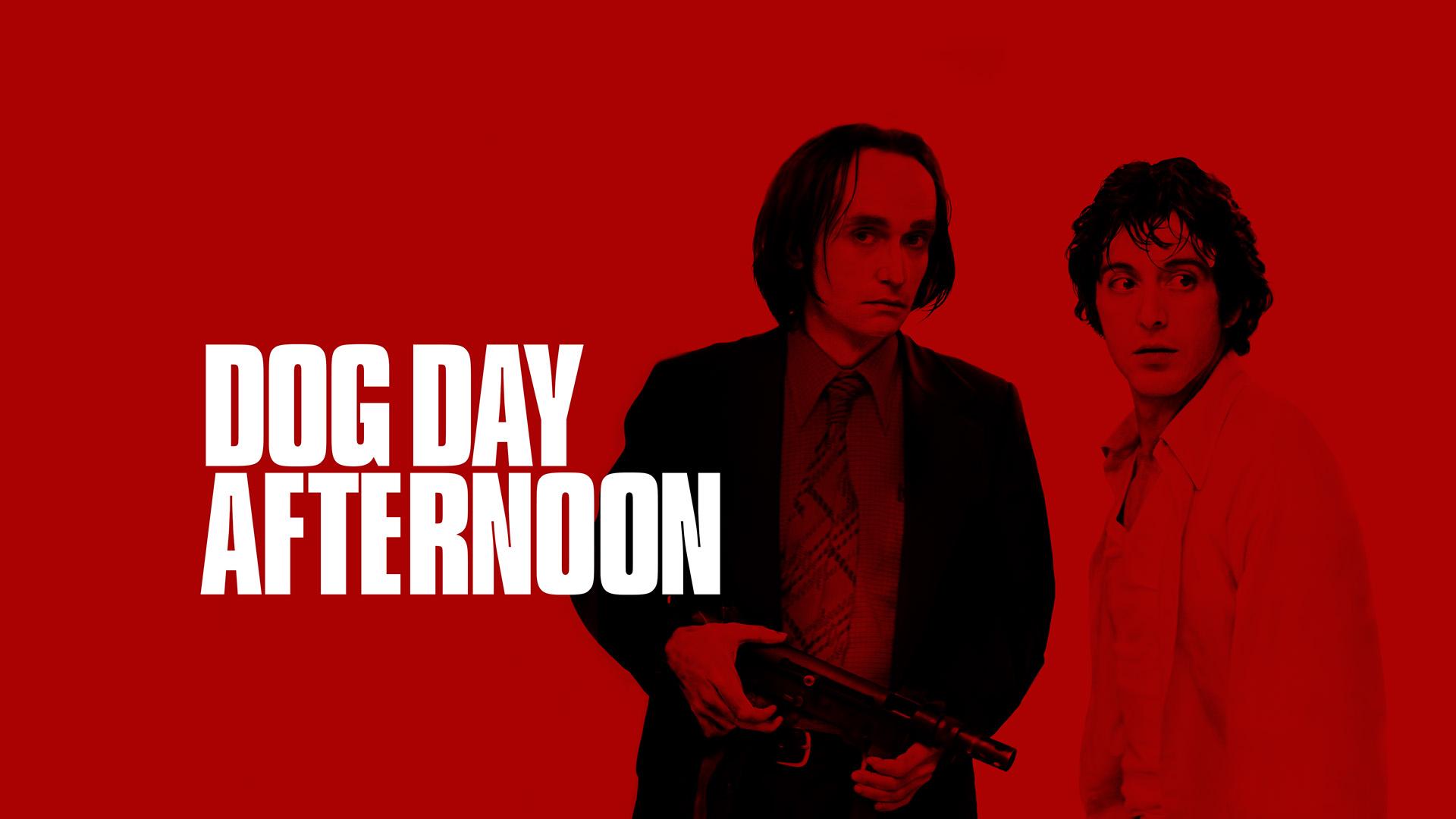
He was barely twenty.
When you watch Sidney Lumet’s 1975 masterpiece, you see John Cazale—pale, gaunt, and hauntingly quiet—playing the role of Salvatore Naturile. But the real Dog Day Afternoon Sal wasn't a middle-aged character actor with a receding hairline. He was a kid. A nineteen-year-old with a bowl cut who had already spent most of his short life bouncing between foster homes and reformatories.
Most people remember Al Pacino screaming "Attica! Attica!" in the street. They remember the heat, the pizza delivery, and the bizarre media circus that surrounded the Chase Manhattan Bank robbery in Gravesend, Brooklyn, on August 22, 1972. Yet, Sal remains the shadow in the corner of the frame. He was the one holding the gun while Sonny (the real-life John Wojtowicz) did the talking.
To understand why this heist went so sideways, you have to look at Sal. He wasn't some hardened career criminal looking for a retirement fund. He was a terrified, volatile young man who had allegedly told Wojtowicz he would rather die than go back to prison. That specific desperation turned a botched robbery into a fourteen-hour hostage crisis that changed how the FBI handles negotiations forever.
The Kid Behind the Character: Who was the real Sal?
Salvatore Naturile wasn't a name people knew before that Tuesday in August. He grew up in a world of neglect. By the time he was eighteen, he had a rap sheet that looked like a seasoned veteran's, mostly filled with petty thefts and burglaries. He met John Wojtowicz while they were both in the "system," and their bond was born out of a shared sense of being outsiders.
In the movie, Cazale plays Sal as a man of few words, someone who seems almost catatonic with nerves. The real Sal was likely even more unpredictable. During the actual robbery, the hostages reported that while "Sonny" was charismatic and even friendly at times, Sal was the one who kept them on edge. He was the "bad cop" not because he was mean, but because he was profoundly unstable.
He didn't want the fame. When the media started surrounding the bank and the television cameras began rolling, Wojtowicz leaned into it. He talked to the press. He performed. Sal stayed in the back, clutching his .38 caliber carbine. He was a ticking time bomb. It’s a detail most people miss: the dynamic wasn't two partners in crime; it was one man trying to manage a heist and another man trying to survive his own psychological collapse.
What Dog Day Afternoon Sal got wrong about the robbery
If you're looking for historical accuracy, Hollywood usually takes a backseat to drama. In the film, Sal is asked which country he wants to fly to, and he famously replies, "Wyoming." It’s a funny, poignant moment that highlights the character’s isolation and lack of worldly knowledge.
In reality? That never happened.
The real Sal was reportedly very aware of the stakes. He didn't want to go to Wyoming; he wanted out of the country. The demand for a jet to take them to an undisclosed location (eventually narrowed down to somewhere in international waters or a non-extradition country) was a desperate play for freedom.
Another major discrepancy is the relationship between the two men. The film implies a somewhat professional, if strained, partnership. But the real story is much more chaotic. Wojtowicz later claimed that Sal was a "sensitive soul," but the FBI files paints a picture of a young man who was increasingly paranoid. The hostages, specifically the bank manager Robert Barrett, later noted that Sal seemed genuinely prepared to kill everyone in that room if the police breached the doors.
The Gravesend Stand-off
The atmosphere inside that Chase Manhattan branch was suffocating. It was 115 degrees in the vault at one point because the air conditioning had been cut. You had eight women and two men held at gunpoint for over half a day.
- The First Mistake: They arrived at the bank far too late in the day. Most of the cash had already been moved by armored truck.
- The Audience: Thousands of Brooklynites gathered outside, cheering for the robbers and heckling the police. It felt like a block party, not a crime scene.
- The Weaponry: Sal was armed with a rifle he didn't really know how to use effectively in a crowd, which made the FBI snipers even more nervous.
The Tragic End at JFK Airport
The climax of the story didn't happen at the bank. It happened in a limousine on the tarmac of JFK International Airport.
After hours of negotiations, the FBI agreed to drive Wojtowicz, Sal, and the hostages to the airport. They were promised a plane. The man driving the limo was actually an undercover FBI agent named Murphy. This is where the tension peaks.
Sal was sitting in the back, the rifle resting on his lap. He was wary. He was watching the windows. According to eyewitness accounts from the agents involved, Sal moved the barrel of his gun toward the hostages as they sat waiting for the "plane." In a split second, Agent Murphy grabbed the barrel of the gun, and a hidden agent in the front seat turned around and fired a single shot.
Sal was hit in the chest. He died almost instantly.
He was nineteen.
Wojtowicz was arrested without a fight. The hostages were safe. The "hero" of the counter-culture movement was heading to prison, and his young accomplice was heading to a morgue. It’s a cold ending to a story that the movie tries to wrap in a bit of cinematic melancholy. In the real world, it was just a messy, violent conclusion to a poorly planned disaster.
Why we still talk about Sal today
Why does this specific criminal remain a point of fascination? It’s not just because of the movie. It’s because Sal represents the collateral damage of a specific era in American history. He was a byproduct of a broken foster care system and a society that didn't know how to handle mental health or juvenile delinquency.
In the 1970s, the "anti-hero" was king. People wanted to root for the guys sticking it to the banks. But when you look at the crime scene photos of Dog Day Afternoon Sal, you don't see a revolutionary. You see a skinny kid who looked like he hadn't slept in a week.
The E-E-A-T (Experience, Expertise, Authoritativeness, and Trustworthiness) of this narrative relies on the primary sources—the FBI's own declassified reports and the subsequent interviews with John Wojtowicz. Wojtowicz later spent years trying to justify the robbery, often painting Sal in a sympathetic light to soften his own image. However, the court records and the testimony of the bank employees provide a harsher reality. Sal was a danger, but he was also a victim of his own circumstances.
The Legacy of the 1972 Robbery
- Hostage Negotiation: This event changed how the NYPD and FBI handle "barricaded suspects." They realized that talking—even for 14 hours—is better than rushing in.
- Media Ethics: It was one of the first times a crime was "lived" on television. The presence of the cameras changed how the criminals behaved.
- LGBTQ+ History: While Sal's role was different, the motivation for the robbery (Wojtowicz wanting money for his partner's gender-affirming surgery) made this a landmark, albeit controversial, moment in queer history.
Actionable Insights for True Crime Enthusiasts
If you want to dive deeper into the history of the real Sal and the events of that day, don't just stop at the Pacino movie. While it’s a great film, it’s a dramatization.
First, look for the documentary The Dog. It features extensive footage of John Wojtowicz later in life, and he talks about Sal with a mix of regret and nostalgia. It gives you a much better sense of the erratic energy that led to the bank robbery in the first place.
Second, read the original Life magazine article by P.F. Kluge and Thomas Moore titled "The Boys in the Bank." This was the source material for the movie. It was written shortly after the event and captures the raw, confused atmosphere of Brooklyn in 1972. It describes Sal not as a character, but as a terrified human being.
Lastly, visit the site if you’re ever in Brooklyn. The building at 450 Avenue P is still there. It’s no longer a Chase Manhattan, but standing on that sidewalk gives you a sense of just how small and cramped the stage was for such a massive piece of American history. You can see the windows where the hostages peered out and the street where the crowd gathered. It grounds the legend in stone and brick.
The story of Sal is a reminder that behind every "cool" movie character is a real person whose life likely ended in a way that wasn't poetic at all. Sal didn't get to go to Wyoming. He didn't get to grow old. He remains frozen in 1972, a nineteen-year-old kid who made a fatal mistake on a very hot afternoon.