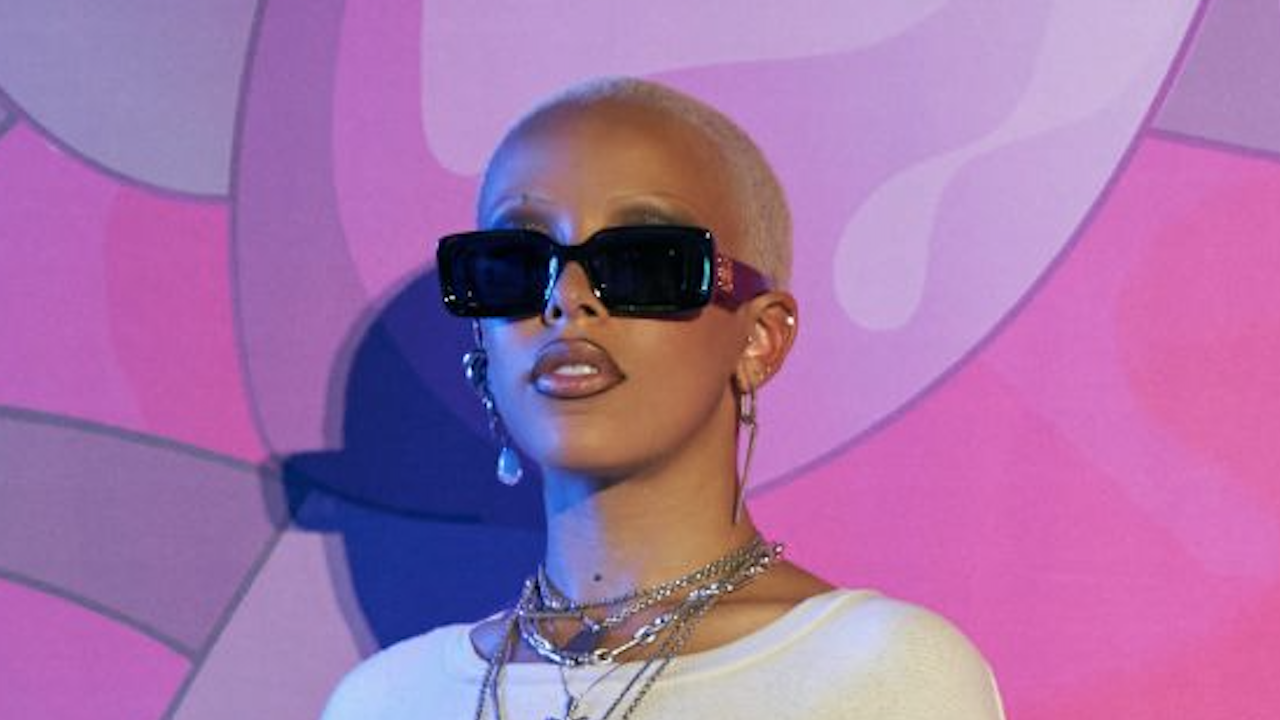
The internet is a wild place, but for Amala Dlamini—known to the world as Doja Cat—the digital world was essentially her living room long before she became a global superstar. Back in May 2020, things got incredibly messy. You might remember the hashtag #DojaCatIsOverParty blowing up on Twitter. It wasn't just typical celebrity gossip; it was a full-blown investigation into her digital past. Specifically, people were obsessing over the doja cat chat room history, claiming she was hanging out in "white supremacist" spaces on a site called Tinychat.
It felt like every five minutes, a new grainy screen recording of a webcam chat would surface.
She was accused of "stripping for white supremacists" and laughing along with racist trolls. For a Black woman whose career was skyrocketing thanks to "Say So," these were heavy allegations. Fans were devastated. Haters were vindicated. But as with most things that happen in the depths of the internet, the truth was a lot more nuanced than a ten-second Twitter clip could ever capture.
The Tinychat Rabbit Hole
To understand the doja cat chat room drama, you have to understand Tinychat. It’s not like Zoom or Discord. It’s a chaotic, often toxic platform where strangers jump into public rooms to talk, troll, or just stare at each other. Doja basically grew up there. She’s been very open about the fact that she was a "stay-at-home" kid who spent her life on the computer. Honestly, it was her social life before she had a real one.
In a December 2019 interview with Paper Magazine, she even admitted that people would pick on her and use "horrible, horrible language." Instead of logging off, she stayed. She became part of the ecosystem. She told the magazine that she became the person who would make "offensive jokes" just to fit in or push back.
What the Leaks Actually Showed
When the videos leaked in 2020, people saw her in rooms with men who were clearly using alt-right slang. There were claims she was being "self-hating."
But here is the thing:
- The rooms were public.
- Anyone could enter or leave.
- Doja was often just sitting there, sometimes wearing a wig, sometimes just eating.
She wasn't necessarily leading the charge of some extremist movement. She was just... there. To a lot of people, being "just there" while people make racist jokes is enough to get you canceled. To others, she was just a bored girl who had been chronically online since she was a pre-teen and didn't know how to leave a toxic situation.
The "Dindu Nuffin" Song and the Fallout
The chat room stuff was the spark, but the gasoline was a resurfaced 2015 song titled "Dindu Nuffin." If you aren't familiar with that term, it’s a racist slur used by the alt-right to mock Black victims of police brutality. Seeing a Black artist use that word as a song title felt like a betrayal to many.
Doja eventually went on Instagram Live to explain herself. She didn't use a PR script. She looked tired and frustrated. She admitted that the song was "maybe the worst song in the world" but claimed she was trying to "flip" the meaning of the word because people in those very chat rooms used to call her that name. She wanted to take the power back, but she realized, way too late, that it just looked like she was joining in on the joke.
Her Official Stance
"I’ve used public chat rooms to socialize since I was a child. I shouldn't have been on some of those chat room sites, but I personally have never been involved in any racist conversations."
She was adamant about one thing: she never "stripped" for racists. She called that a complete lie. She also denied that the rooms were specifically white supremacist hubs, even if racist people definitely hung out there.
Why the Doja Cat Chat Room Incident Still Matters
This wasn't just a one-off PR crisis. It defined how people see Doja Cat even now, years later. It established her as a "troll" figure. She’s someone who isn't afraid to be weird, offensive, or combative with her own fans. You see this same energy in her later controversies, like when she told her fans she didn't love them because she didn't know them.
The doja cat chat room era was the first time the general public realized she wasn't just a polished pop star. She was a product of the 4chan-adjacent, chaotic internet culture of the 2010s.
The Industry Impact
Surprisingly, it didn't kill her career. In fact, she’s more famous now than she was then. It shows a weird shift in celebrity culture where "being canceled" doesn't always stick if your music is good enough or if your brand is built on being a bit of a villain anyway.
If you want to understand the nuance of this situation, you have to look at these specific facts:
- The Timeline: Most of the "incriminating" footage was from years before her mainstream fame, though some was more recent.
- The Context: Tinychat is notoriously unmoderated, making it a breeding ground for "edgy" humor that often crosses into hate speech.
- The Identity: Doja is half-Jewish and half-Black (South African). Her relationship with her identity has always been a talking point for critics who felt she was trying too hard to please a specific type of white, male internet audience.
Moving Forward and Lessons Learned
If you’re a creator or just someone who spends a lot of time online, the doja cat chat room story is a cautionary tale. Your digital footprint is permanent. What felt like a private joke in a room with five people in 2015 can become a headline in 2026.
Honestly, the most actionable thing anyone can take from this is to audit their own history.
- Check old SoundCloud uploads.
- Look at those private groups you joined in 2012.
- Understand that "reclaiming" a slur is a high-wire act that usually ends in a fall.
Doja Cat survived because she leaned into the chaos. She didn't try to become a "perfect" person after the scandal. She stayed weird. She stayed confrontational. But she did stop hanging out on Tinychat—or at least, she stopped doing it where people could record her.
If you're looking to dig deeper into the actual footage, most of it has been scrubbed or lives in "cringe compilations" on YouTube. Just remember that what you see is usually a small slice of a much longer, weirder story about a girl who grew up in the wrong corners of the web.
To stay ahead of your own digital reputation, start by searching your old usernames on Archive.org or specialized search tools to see what the public can still find. Managing your past is just as important as building your future.