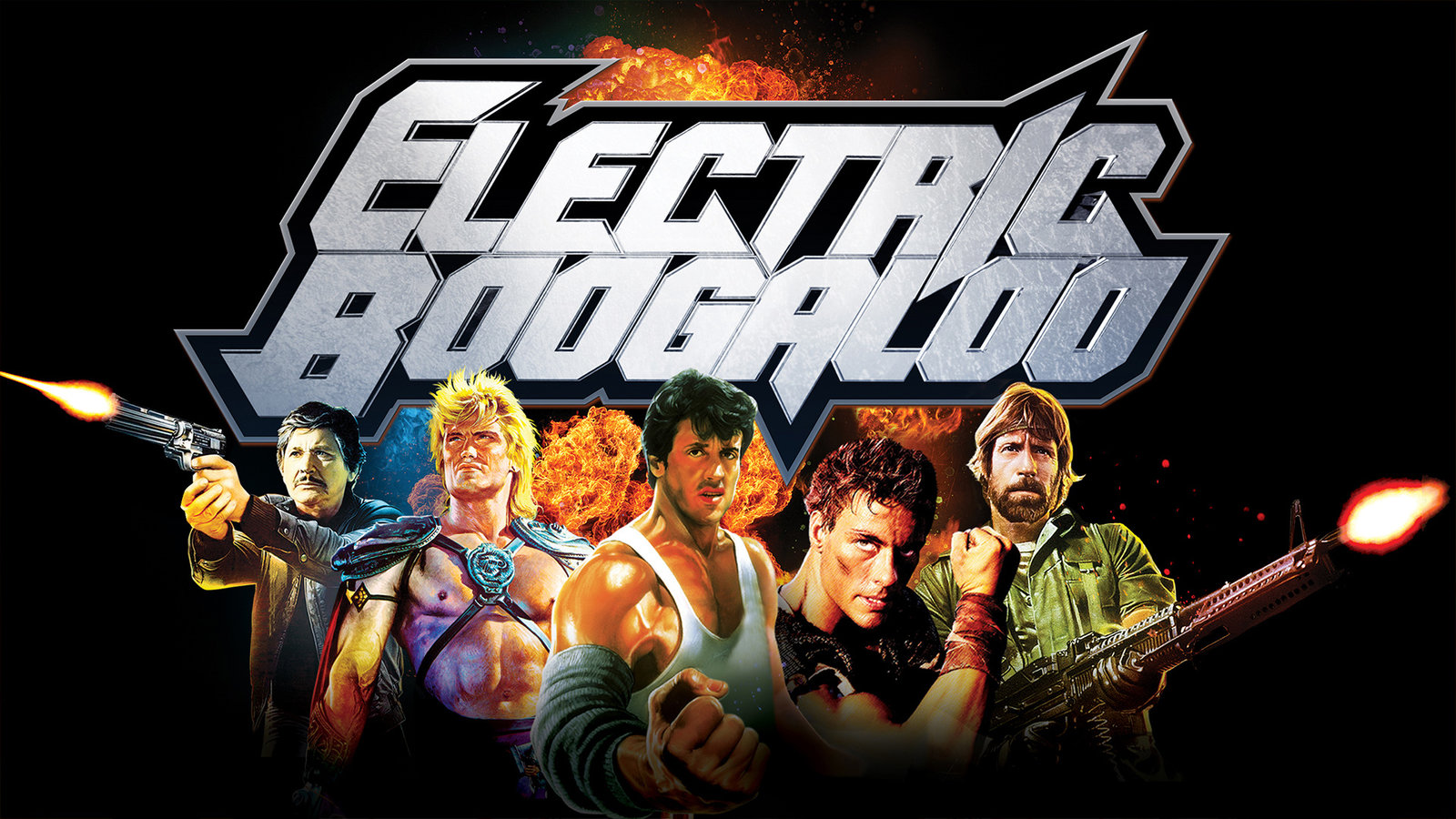
You’ve seen it everywhere. It’s on Reddit threads about politics, YouTube comments for video game sequels, and even in casual office banter about the next "synergy" meeting. Someone mentions a Part 2, and immediately, like a reflex, someone else adds: Electric Boogaloo. It’s the internet’s favorite suffix. But honestly, most people using it today weren't even born when the phrase first hit the screen.
What is electric boogaloo? At its simplest, it is the subtitle of a 1984 movie sequel that was rushed into production so fast it practically gave the cast whiplash. The film, Breakin' 2: Electric Boogaloo, was a follow-up to the surprise hit Breakin', which had been released only seven months earlier. The movie itself is a neon-drenched, high-energy time capsule of 80s street culture, but its legacy has nothing to do with dance moves. It’s about the absurdity of sequels.
The Ridiculous Origin of the Name
In the early 80s, breakdancing wasn't just a hobby; it was a global phenomenon. Cannon Films, a legendary studio known for churning out low-budget B-movies, saw a goldmine. They released Breakin' in May 1984. It made a ton of money. Naturally, they wanted more. They didn't wait. They didn't even pause. By December of that same year, the sequel was in theaters.
The term "Electric Boogaloo" wasn't actually invented by Hollywood writers. It refers to a specific style of funk dance and street dance that originated in Fresno, California, in the 1970s. The group The Electric Boogaloos, led by Sam "Boogaloo Sam" Solomon, pioneered the style, which involves "popping" and "boogaloo" (a fluid, rolling motion of the hips and knees). When the movie producers slapped the name on the sequel, they were trying to sound "street." Instead, they created a title so rhythmic and bizarre that it became a joke.
It’s just fun to say. Try it. Electric Boogaloo. It has a cadence that feels inherently silly. Because the sequel was so similar to the first film—basically just more dancing and a thin plot about saving a community center—the title became shorthand for a sequel that nobody asked for, or one that is hilariously unnecessary.
From Dance Floor to Digital Meme
For a long time, the phrase was a cult joke among film nerds and Gen X-ers. Then the internet happened.
In the early 2000s, message boards like Something Awful and 4chan began attaching "2: Electric Boogaloo" to literally anything that had a second iteration. If a politician ran for a second term, it was Election 2: Electric Boogaloo. If a hurricane followed another one, it was Storm 2: Electric Boogaloo. It became a way to mock the very idea of repetition.
Why did it stick? Mostly because it’s a "snowclone"—a type of formulaic cliché that can be customized. It signals to the reader that you think the thing you’re talking about is a bit of a farce. It’s linguistic eye-rolling.
We see this everywhere in 2026. Even as digital culture evolves, some memes are foundational. This is one of them. It survived the era of Rage Comics, outlasted the Harlem Shake, and remains a staple of social media commentary because it perfectly captures the feeling of "here we go again."
The Impact on Pop Culture and Beyond
Interestingly, the actual movie Breakin' 2: Electric Boogaloo isn't even that bad. If you watch it today, it’s actually more vibrant and better directed than the first one. Directed by Sam Firstenberg, it features incredible athleticism and a truly earnest "let's put on a show" plotline. But the quality of the film didn't matter. The name was its destiny.
The meme has grown so large that it has occasionally crossed into controversial territory. In recent years, certain fringe political movements tried to co-opt the "Boogaloo" part of the name to refer to a second civil war. This was a dark turn for a phrase born from a dance movie. However, for the vast majority of people, the term remains firmly rooted in the world of pop culture sarcasm.
You’ll find the phrase referenced in:
- The Always Sunny in Philadelphia episode "Chardee MacDennis 2: Electric Boogaloo."
- Video games like Borderlands and Gungeon.
- Countless news headlines mocking corporate rebrands.
Why We Can't Stop Saying It
There is something deeply human about finding a rhythm in words. The "oo" sounds at the end of the phrase are phonetically funny. Linguists often point out that certain sounds trigger a comedy response in the brain. "Boogaloo" is one of those words.
When you use the phrase, you’re participating in a decades-long inside joke. You’re signaling that you understand the tropes of media, the greed of studios, and the inherent goofiness of trying to recapture lightning in a bottle. It’s a badge of internet literacy.
How to Use "Electric Boogaloo" Without Looking Like a Bot
If you're going to use the phrase, timing is everything. It works best when the sequel or "Part 2" in question is particularly egregious or unnecessary.
- Wait for the repetition. If a tech company announces a "Version 2.0" of a product that just failed, that's your moment.
- Keep it ironic. Don't use it for something genuinely amazing. Use it for the stuff that makes you tilt your head.
- Variation is key. Sometimes you can swap the first word. Office Meeting 2: Spreadsheet Boogaloo. It keeps the joke fresh.
Understanding electric boogaloo is basically a crash course in how irony functions in the digital age. It’s a bridge between the physical breakdancing of the 70s, the cinematic exploitation of the 80s, and the cynical humor of the 2020s.
To really appreciate the phenomenon, you should actually go back and watch the original 1984 dance sequences. The sheer talent of dancers like Lucinda Dickey, Adolfo "Shabba-Doo" Quinones, and Michael "Boogaloo Shrimp" Chambers is staggering. They were pioneers of a movement that changed music videos and choreography forever. It’s a bit ironic that their incredible skill is now immortalized in a joke about bad sequels, but in the world of internet culture, that’s just how the rhythm goes.
Next Steps for the Culturally Curious
- Watch the Source Material: Track down the original "Breakin' 2: Electric Boogaloo" trailer on YouTube. You'll see immediately why the aesthetic was so ripe for parody.
- Study the Dance: Look up the "Electric Boogaloos" street dance crew. Seeing the actual technique helps separate the real art form from the Hollywood parody.
- Spot the Meme: Check any recent announcement for a movie sequel on social media. Count how many seconds it takes for someone to drop the "Electric Boogaloo" comment. It usually takes less than a minute.
The phrase isn't going anywhere. As long as humans keep making sequels, we’re going to keep calling them Boogaloos. It’s a linguistic survival of the weirdest.