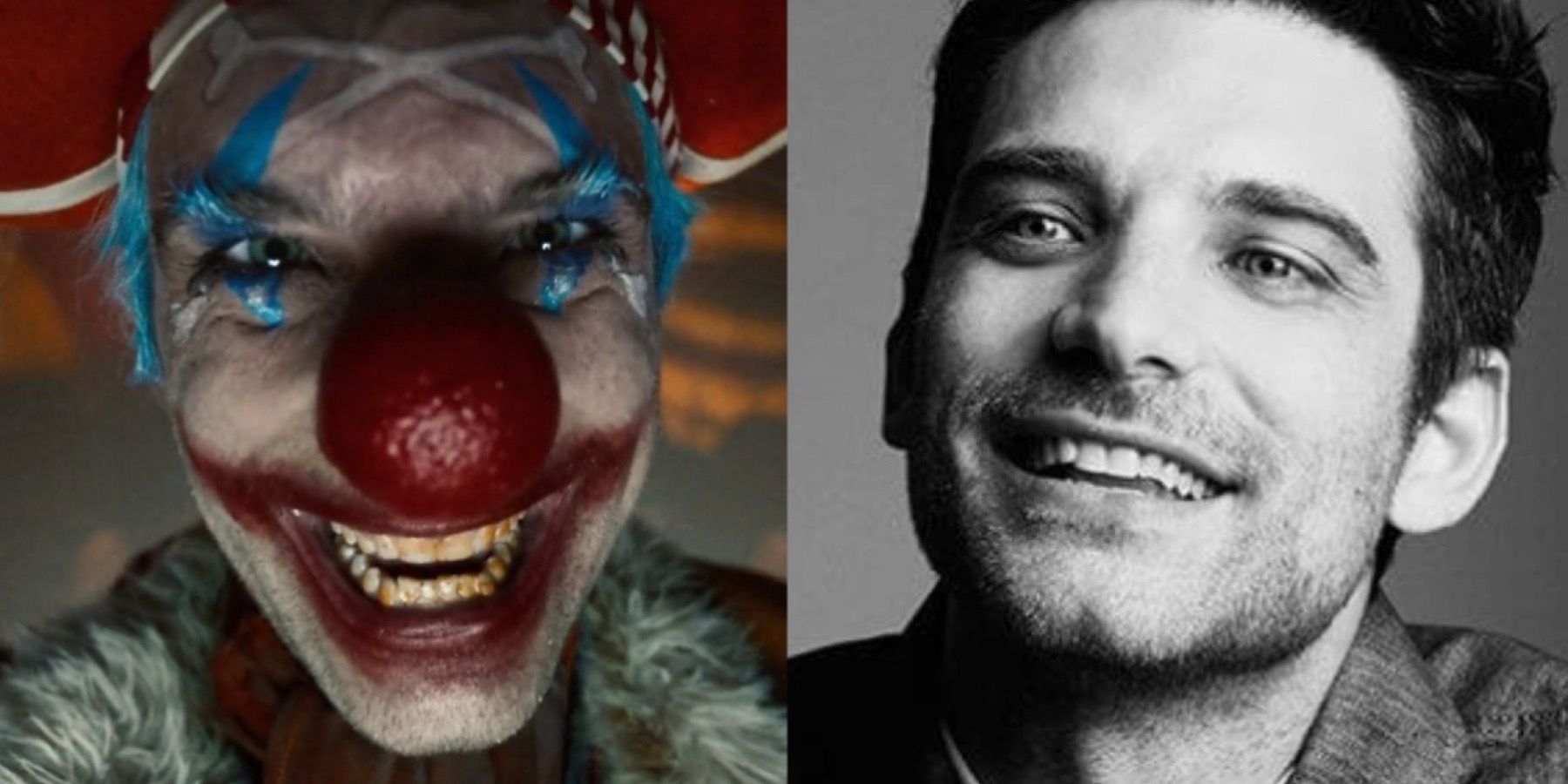
When Netflix announced they were doing a live-action One Piece, the collective internet groaned. Hard. We’d all seen Cowboy Bebop. We’d all lived through the tragedy of Death Note. Translating Eiichiro Oda’s psychedelic, rubbery world to real life seemed like a recipe for a billion-dollar disaster. But then, the first trailer dropped. And we saw him. One Piece Buggy live action wasn't just a guy in face paint; he was a nightmare-fueled, scene-stealing circus god.
Jeff Ward didn't just play the role. He consumed it.
Honestly, the stakes were high because Buggy the Clown is a litmus test for the entire series. If you get Buggy wrong, you lose the "East Blue" arc. If you lose the East Blue, you lose the fans. Buggy represents the weird, the goofy, and the genuinely threatening elements of the Grand Line. The live-action version managed to make a man who can chop his own body into pieces look terrifying instead of just glitchy.
The Horror Aesthetic That Actually Worked
One of the smartest moves showrunners Matt Owens and Steven Maeda made was leaning into the "horror" of the Chop-Chop Fruit (Bara Bara no Mi). In the anime, Buggy’s powers are mostly used for slapstick comedy. He’s a gag villain who fails upward.
In the Netflix series, his introduction is straight out of a slasher flick. He’s got an entire town chained up in a literal circus tent, forced to laugh at his terrible jokes. It’s dark. It’s gritty. It's exactly what was needed to ground a world where teenagers fight with three swords or stretchy arms. By making the One Piece Buggy live action version a bit more Joker-esque, the writers gave the show some much-needed edge.
Why Jeff Ward was the secret weapon
Ward’s performance is a masterclass in physical acting. He has this raspy, theatrical voice that sounds like he’s been smoking cigars and screaming at carnies for twenty years. It’s lived-in. When he’s floating his hands around to choke Luffy, it doesn’t look like a cheap CGI effect—it looks like a predatory extension of his ego.
Funny enough, Ward wasn't a huge One Piece fan before he got the role. He did the work, though. He dived into the manga, spoke with the creators, and realized that Buggy isn't just a clown. He's a man with a massive inferiority complex who happens to be incredibly dangerous. That nuance is what makes the character pop on screen.
Breaking Down the Chop-Chop Fruit CGI
Let's talk technicals. One of the biggest fears for the One Piece Buggy live action design was the "uncanny valley." Seeing a human torso float away from a pair of legs usually triggers a flight-or-fight response in the human brain.
The VFX team, led by Victor Scalise, used a mix of practical prosthetics and high-end digital compositing. They didn't just "erase" the middle of his body. They added weight to the floating parts. When Buggy’s hand flies through the air, it has momentum. It interacts with the lighting of the room. This attention to detail is why the fight in the Orange Town tent felt so visceral compared to typical green-screen slogs.
The costume wasn't just "Cosplay"
Costume designer Diana Cilliers avoided the "Halloween store" look. Buggy’s outfit looks like it’s made of heavy, expensive silks and worn-down leather. It’s the wardrobe of a pirate who stole his finery. The nose? It's not a plastic ball. It's clearly a part of him—or at least, he treats it with such reverence that you stop questioning it after thirty seconds.
Most fans noticed the small nods to Oda’s cover stories and SBS sketches. The stripes, the sashes, the way his hair (which is actually his real hair poking through the hat) flows. It’s a love letter to the source material that doesn't feel like a cheap imitation.
Why Buggy Matters for Season 2 and Beyond
If you’ve read the manga, you know Buggy doesn’t just disappear after Orange Town. He becomes a recurring staple of the series, eventually reaching heights no one (including himself) expected. By nailing the One Piece Buggy live action portrayal early on, Netflix has secured a fan favorite for years.
The chemistry between Ward’s Buggy and Iñaki Godoy’s Luffy was electric. It established the "rivalry" that eventually turns into one of the funniest alliances in shonen history. Without a strong Buggy, the later arcs like Impel Down would have no emotional or comedic foundation.
The "Buggy Agenda" is real
The internet exploded with "Buggy D. Clown" memes after the release. This wasn't just irony. People genuinely liked the guy. He’s the underdog. He’s the guy who thinks he’s a genius but is actually just incredibly lucky. In a world of literal gods and monsters, Buggy is remarkably human.
The showrunners understood that. They didn't make him a punching bag immediately. They let him be a threat first, so his eventual transition into a "lovable loser" feels earned rather than forced.
Common Misconceptions About the Live-Action Clown
Some people complained that he was "too scary." They missed the colorful, bright vibe of the early anime. But honestly? Oda’s early art was actually pretty creepy. The live action just pulled that out and polished it.
Others thought the pacing of the Buggy fight was too fast. In the manga, the struggle for Orange Town takes quite a bit of time. The Netflix version condensed it into a tight, claustrophobic encounter. This was a smart move. It kept the tension high and prevented the CGI budget from being stretched too thin over multiple episodes.
Comparing the Live Action to the Manga
| Feature | Manga/Anime Buggy | Live Action Buggy |
|---|---|---|
| Vibe | High-pitched, manic, goofy | Gritty, theatrical, menacing |
| The Nose | A source of constant gags | A symbol of his vanity and power |
| Combat Style | Projectile-based, chaotic | Tactile, sneaky, psychological |
The differences are there, but the "soul" is identical. That’s the secret sauce. You don't copy-paste an anime into real life; you translate the feeling of it.
The Jeff Ward Effect: Why He’s the MVP
Jeff Ward’s commitment to the bit is legendary at this point. There are behind-the-scenes clips of him staying in character, roaming the set with that terrifying grin. He understood that Buggy is a performer. Every move Buggy makes is for an audience, whether it's his crew of terrified acrobats or the viewer at home.
The One Piece Buggy live action success really rests on Ward's ability to balance the comedy with the cruelty. When he's mocking Nami or threatening to blow up a town, you believe him. When he's screaming because his tiny feet are being tickled, you laugh at him. It’s a delicate tightrope walk that very few actors could pull off while wearing blue pigtails and a red nose.
How to Appreciate the Craft Behind the Character
If you’re looking to really dive into what made this work, go back and watch the scenes in the circus tent with the sound off. Watch Ward’s facial expressions. Even under layers of white greasepaint, his eyes are doing a massive amount of heavy lifting. He uses his eyebrows to convey that classic "Oda-style" shock without it looking cartoonish.
The lighting in those scenes is also key. Notice how they use reds and purples to make him pop against the shadows. It’s classic stage lighting. It reinforces the idea that Buggy is always "on stage." He is a man who has turned his trauma and his weirdness into a brand.
Actionable Insights for Fans and Creators
If you're a fan of the series or a creator looking at how to adapt difficult material, there are three major takeaways from the Buggy adaptation.
Don't fear the weirdness.
The biggest mistake many adaptations make is trying to "normalize" the source material. Netflix didn't give Buggy a "realistic" makeover. They leaned into the clown aesthetic and made it a core part of his character's psychology. If your source material is weird, make that weirdness the focal point.
Character over spectacle.
While the CGI for the Chop-Chop Fruit was great, it was Jeff Ward's performance that sold the character. You can have the best special effects in the world, but if the actor doesn't understand the motivation, the character will feel hollow. Buggy works because we understand his ego.
Respect the "Power Scale."
The show did a great job of showing that Buggy is actually a high-level threat for someone just starting their journey. By giving him a win over Luffy (trapping him in the tank), the show established stakes. It made the eventual victory feel like a relief rather than an inevitability.
To get the most out of your rewatch, pay attention to the background details in Buggy’s tent. There are numerous Easter eggs referencing other pirates and locations in the One Piece world. It shows a level of care that suggests the writers are in this for the long haul.
Next time you see a "failed" anime adaptation, look back at the One Piece Buggy live action as the blueprint for how to do it right. It takes guts to put a guy in a clown suit and ask the audience to take him seriously. Netflix took the gamble, Jeff Ward delivered the performance of a lifetime, and the fans got the Flashy Captain they deserved. Keep an eye out for his return in future seasons, as his role only gets more chaotic from here.