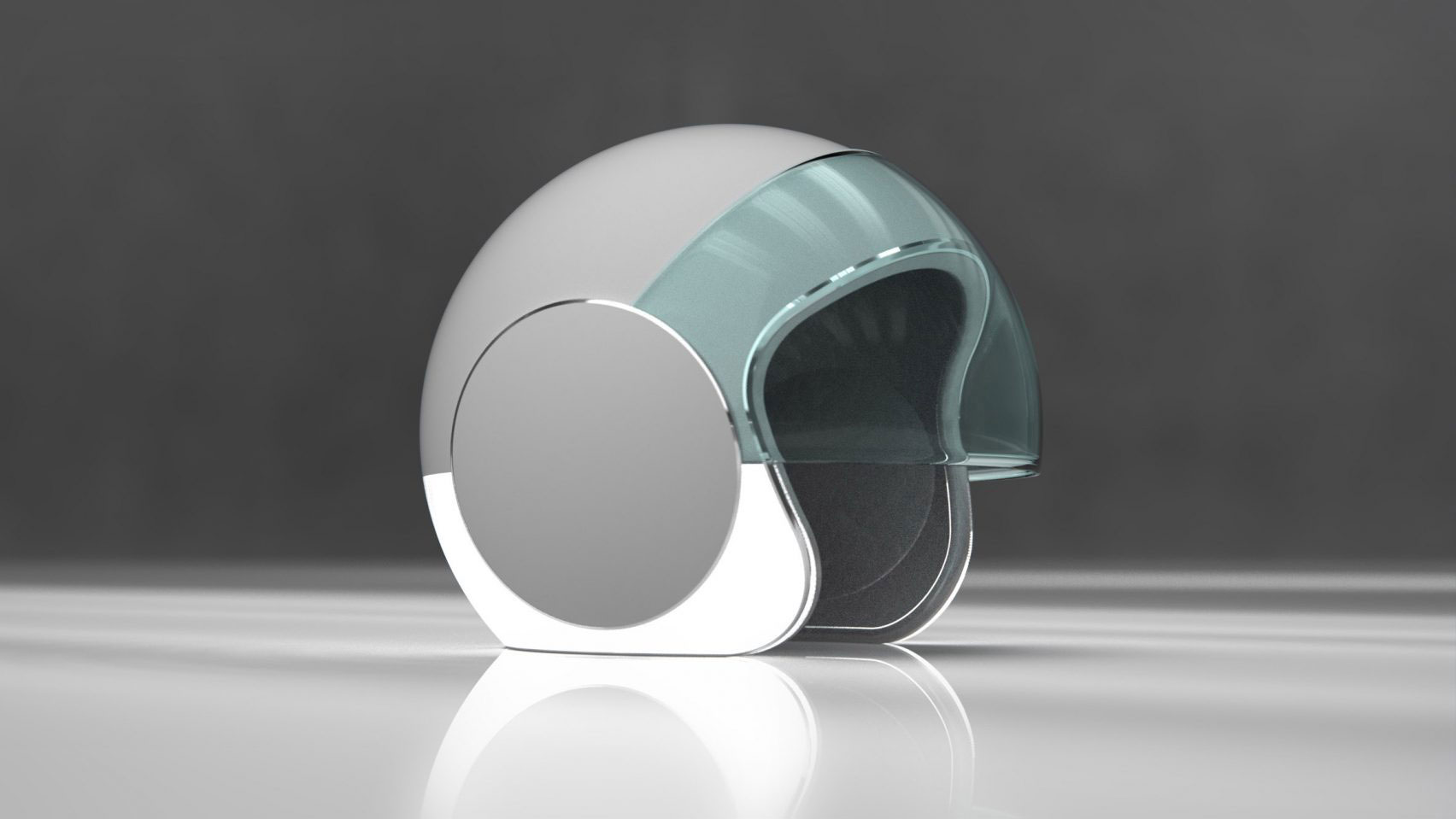
Ever stared at Thomas Bangalter or Guy-Manuel de Homem-Christo and wondered how they actually breathe? Or if they can even see the crowd? Honestly, looking inside Daft Punk helmet setups feels like peeking into a NASA cockpit from 1999 mixed with a high-end prop shop in Hollywood. It wasn’t just plastic and spray paint. Far from it. We’re talking about thousands of dollars in custom circuitry, fans that barely worked, and a level of claustrophobia that would make most people quit the music industry entirely.
People think it was just a mask. It wasn't.
The transition from human to robot happened officially around 9:09 AM on September 9, 1999—a date fans obsess over. But the engineering required to make those "Discovery" era helmets functional for live performances was a nightmare. While the outside looked like a seamless, polished future, the interior was a cramped, hot mess of wires and LEDs.
The LED Brain and the Vision Problem
The most iconic version is the "Discovery" era. You’ve seen the scrolling text and the geometric patterns. To make that happen, the team at LED Effects (led by Janet Hansen) had to cram a massive amount of tech into a very small space. If you look at the schematics for Thomas’s silver helmet, the display was a grid of several hundred LEDs.
But here’s the thing: how do you see through a wall of lights?
You kinda don't.
Actually, the "eye" slit was positioned just perfectly so they could see through the gaps in the LED strips. It was like looking through a set of very thick, very bright venetian blinds. Guy-Manuel had it even worse. His gold helmet featured a vertical rainbow display that wrapped around the sides. This meant his peripheral vision was basically non-existent. When they performed, they weren't seeing the audience in high definition; they were seeing a blurry, strobing version of the world. Imagine trying to mix tracks on a custom-built Lemur controller while your own face is blinking at you.
The heat was the real enemy.
Think about it. You have hundreds of LEDs generating heat, plus two human heads radiating warmth, all trapped inside a fiberglass shell. To combat this, the duo had tiny fans installed in the ear sections. They were essentially computer cooling fans. They were loud. They whirred constantly. In several interviews, Thomas mentioned that the noise of the fans and the hum of the electronics made it incredibly difficult to hear anything other than the monitors fed directly into their ears.
Evolution of the Hardware
The helmets didn't stay the same. They evolved. If you look at the "Human After All" era, the tech actually got simpler. Why? Because the Discovery helmets were too heavy. They weighed a ton. Carrying that much weight on your neck for a 90-minute set is a recipe for chronic pain.
By the time Random Access Memories rolled around in 2013, the interior was a masterpiece of luxury engineering. These weren't just props anymore; they were high-fashion technology. The chrome finish on the outside was actually a thin layer of real silver and gold. Inside, the padding was replaced with high-grade breathable fabrics similar to what you’d find in a Formula 1 helmet.
- Weight reduction: Moving from heavy glass and thick fiberglass to lightweight resins.
- Cooling: Advanced venting systems that utilized the "ears" as exhaust ports.
- Visuals: Ditching the heavy LED grids for a sleek, tinted visor look that allowed for much better visibility during televised awards shows like the Grammys.
Tony Gardner and his company, Alterian Inc., were the wizards behind most of this. They had to balance the aesthetic demands of two perfectionists with the physical reality of human anatomy. Every time you see a photo of the duo, you're looking at a piece of hardware that cost roughly $65,000 per unit to develop and manufacture.
The Secret Communications
One of the coolest rumors that turned out to be true was the internal comms. Because they couldn't see each other well and the stage volume was deafening, the helmets were often equipped with an internal microphone and earpiece system. This allowed them to talk to each other—and their tech crew—without the audience ever knowing.
"Is the loop synced?"
"My visor is fogging up."
That's the kind of stuff happening inside Daft Punk helmet environments during those legendary Coachella sets. It wasn't just magic; it was a constant battle against technical failure. In the early days, the batteries were stored in backpacks hidden under their leather jackets. Thick cables ran up the back of their necks, tucked into the collars, to power the light shows on their faces. It was cumbersome. It was sweaty. It was totally worth it for the image.
Why the Tech Matters Now
The influence of these helmets goes way beyond just "cool outfits." They pioneered the idea of the "anonymous superstar" in the digital age. But looking at the internal specs reminds us that there were real people in there. Thomas eventually stopped wearing the heavy LED versions because he developed tinnitus and didn't want to exacerbate the issues with the loud internal fans and electronic interference.
It's a reminder that even the most perfect "robots" are limited by biology.
If you're a builder or a cosplayer trying to replicate this, don't just focus on the chrome. Focus on the airflow. Real Daft Punk helmets are as much about HVAC as they are about music. The sheer amount of engineering required to keep a human being conscious inside a sealed gold bubble while they play "One More Time" in 100-degree weather is staggering.
Practical Insights for Tech Enthusiasts
If you're analyzing the design for your own projects, keep these specific engineering hurdles in mind. They are the same ones the pros faced:
- Anti-Fogging: Use a specialized coating (like those used in scuba masks) on the interior of the visor. Without it, your breath will blind you in approximately 45 seconds.
- Cable Management: Use braided sleeves for any wires running from the helmet to a power pack. This prevents the "tug" that can snap a solder joint when you move your head.
- Acoustic Isolation: The interior of a helmet is an echo chamber. Using acoustic foam around the ear areas (but away from the fans) is crucial if you want to hear your music clearly.
- Balance: The center of gravity is usually too far forward. Adding small counterweights to the back of the interior can save your neck from major strain.
The legacy of what's inside Daft Punk helmet tech isn't just about the LEDs. It’s about the intersection of human endurance and specialized engineering. They didn't just wear the helmets; they inhabited them. They turned a claustrophobic, hot, and heavy piece of hardware into a symbol of the future.
To truly understand the craftsmanship, you have to look past the shine. You have to look at the velcro, the hot glue, the hand-soldered wires, and the tiny fans fighting a losing battle against the heat of a summer festival. That is where the real "human after all" element lives.