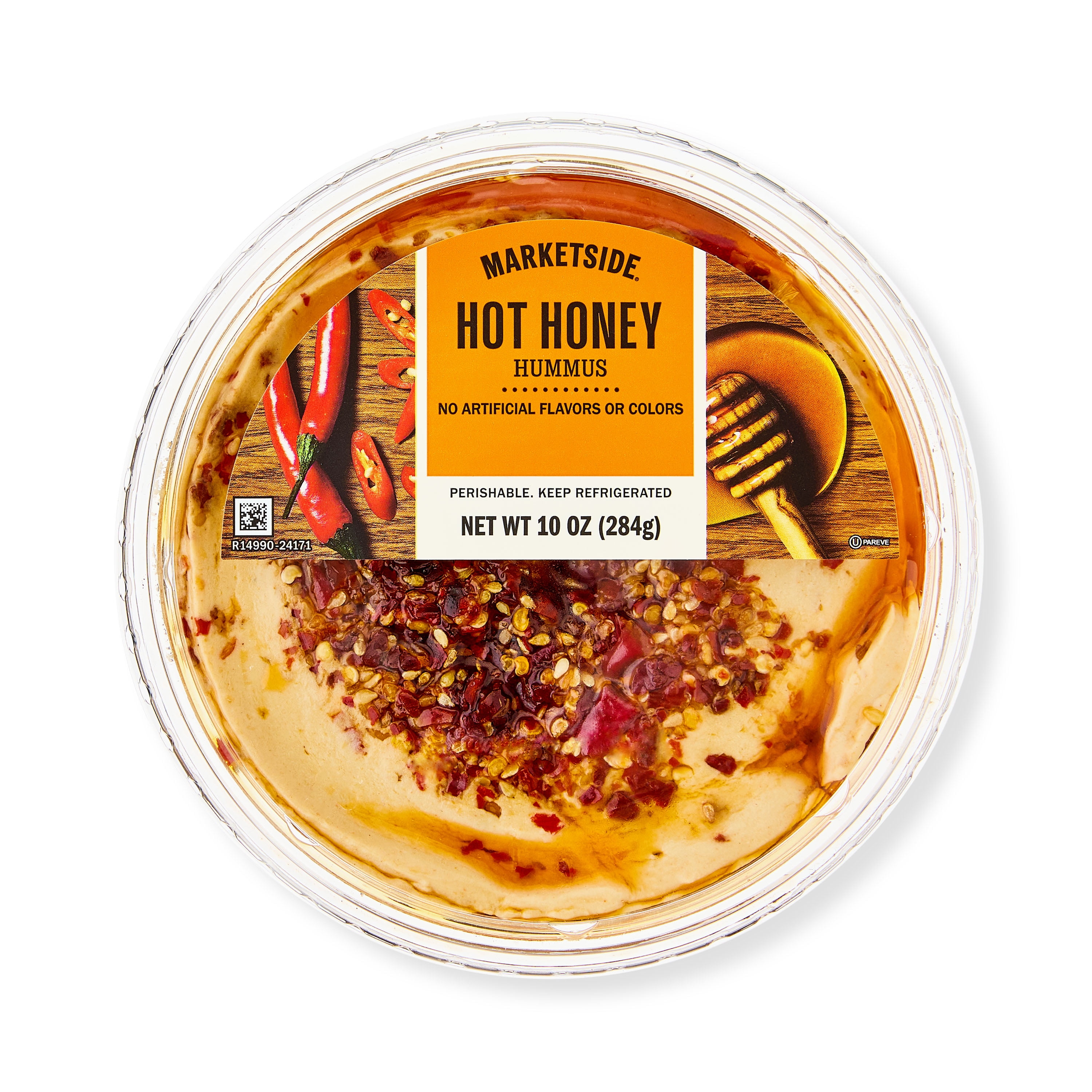
Walk into any Walmart and you’ll see it. It’s usually near the front of the store, tucked into those refrigerated islands or lining the shelves of the produce section. We’re talking about Marketside. You’ve probably grabbed their rotisserie chicken when you were too tired to cook or snagged a loaf of that garlic bread for a quick Sunday dinner. But the question that usually pops up while you're standing in the checkout line is pretty simple: is Marketside a Walmart brand, or is it just some fancy third-party label they happen to carry?
It's Walmart.
To be more specific, Marketside is one of Walmart's "private labels." It isn't a separate company that rents space in the store. It's a brand owned, managed, and distributed exclusively by the retail giant. If you’re looking for it at Target or your local Kroger, you’re going to be disappointed. You won't find it there.
Why Walmart Created Marketside
Retail is a weird game. For a long time, store brands were considered the "cheap" option. You know the ones—plain white packaging with "Green Beans" written in black block letters. They looked sad. They tasted okay, but they felt like a compromise. Walmart changed that strategy.
They realized that people wanted fresh-looking food that didn't feel like a generic bargain. In 2008, Walmart launched Marketside as a standalone "small-format" grocery store concept. They actually tried to build mini-grocery stores under this name to compete with places like Trader Joe’s or even the UK-based Tesco (which was trying to break into the US with "Fresh & Easy").
The standalone stores didn't really take off. Walmart ended up closing the physical Marketside locations fairly quickly. But they kept the name. They realized the branding—clean, green, and focused on "freshness"—resonated with shoppers. So, they moved the label inside their big-box stores. Now, it occupies a massive chunk of the perimeter of the store.
The Difference Between Marketside and Great Value
This is where people get confused. Most people know Great Value. It’s the blue-label brand that covers everything from toilet paper to frozen peas. If Great Value is the "utility" brand, Marketside is the "premium fresh" brand.
Marketside focuses almost entirely on the deli, bakery, and produce sections. You’ll find:
- Pre-packaged salads and kits
- Fresh-baked bread (baguettes, sourdough, rolls)
- Ready-to-eat meals like soups and pizzas
- The famous rotisserie chickens
- Pre-cut fruit and vegetables
Essentially, if it’s supposed to look like it was made today or harvested yesterday, Walmart slaps a Marketside label on it. It’s a psychological trick, honestly. The earthy tones and clear packaging make you feel like you’re at a bistro rather than a massive warehouse.
Who actually makes the food?
Walmart doesn't own a giant bakery or a massive chicken farm—at least, not for every single product. Like most private labels, Walmart contracts with third-party suppliers. These are often the same companies that make name-brand products.
For example, a massive salad packaging plant might run "Brand A" for four hours, then swap the labels and run Walmart’s Marketside salad kits for the next four hours. The recipe might change slightly to meet Walmart's price point or specific requirements, but the infrastructure is the same. This is how they keep the price down. You aren't paying for a massive marketing budget or national TV commercials. You're just paying for the food and the logistics.
Is the Quality Actually Good?
This is subjective, obviously. But let's be real for a second.
Some Marketside stuff is surprisingly great. Their Take-and-Bake pizzas have a bit of a cult following because they’re huge and cheap compared to ordering from a chain. Their "Everything" seasoned bread is another winner. On the flip side, some of the pre-cut fruit can be hit or miss depending on how long it’s been sitting under those fluorescent lights.
The strategy is working, though. Walmart has been leaning heavily into "Fresh" to shed its image as just a place for cheap plastic goods. They know that if they can get you to trust their produce and deli, you’ll do 100% of your shopping there.
The Logistics of Freshness
How does a company as big as Walmart manage a "fresh" brand? It's a nightmare of supply chain management.
They use a hub-and-spoke model. Most Marketside produce is processed in regional centers to reduce the time between the field and the shelf. They've also invested billions—yes, billions with a B—in their supply chain technology. In recent years, they've started using blockchain technology (specifically through a partnership with IBM) to track produce. If there’s a recall on spinach, Walmart can often pinpoint exactly which farm it came from in seconds, whereas it used to take weeks.
This tech-heavy approach is why the Marketside brand can stay so consistent across thousands of stores. It’s not a mom-and-pop operation. It’s a precision-engineered food delivery system disguised as a local deli.
What You Should Buy (and What to Skip)
If you're trying to save money without feeling like you're eating "budget" food, Marketside is a solid middle ground.
The Wins:
The rotisserie chickens are a loss leader. Walmart often loses money or breaks even on them just to get you into the store. They are consistently seasoned and usually larger than the ones you find at high-end grocers. The bagged salad kits are also excellent; they’re often $1 to $2 cheaper than the Dole or Taylor Farms equivalents right next to them.
The "Eh" Items:
The pre-made sandwiches in the deli can be a little dry. Since they are made in a central facility and shipped, they lack that "just made" feel you get at a place like Publix. The Marketside guacamole is fine, but it’s often sitting next to name brands that have a higher avocado-to-filler ratio for just a few cents more.
The Future of Walmart's Brand Strategy
Don't expect Marketside to go anywhere. In fact, Walmart is doubling down. They recently refreshed the packaging for many of their brands, including Great Value and Marketside, to make them look even more modern. They want the "Marketside" name to carry enough weight that you eventually forget it’s a Walmart brand.
It's about brand equity. They want you to think: "I need that Marketside salad," not "I need that cheap Walmart salad."
Actionable Steps for the Savvy Shopper
To get the most out of the Marketside brand, keep these tips in mind next time you're navigating the aisles:
- Check the "Packed On" Date: Even though Walmart has a high turnover, the Marketside bakery items can vary. Grab the bread from the back of the shelf for the freshest crust.
- Compare the Weight: Often, a Marketside "Large" pizza is significantly heavier than a name-brand frozen pizza for a lower price. Always check the price per ounce on the shelf tag.
- Use the App: If you’re unsure about a Marketside product, scan it with the Walmart app. The reviews are usually honest—sometimes brutally so—and can tell you if a new soup or meal kit is worth the five bucks.
- Look for Yellow Tags: Marketside items, especially in the deli and meat section, are frequently marked down 24-48 hours before their "sell by" date. This is the best way to snag a $10 meal for $4 if you're eating it that night.
Marketside is a cornerstone of the modern Walmart experience. It’s the brand that proved a discount retailer could actually do "fresh" well enough to compete with traditional grocery stores. Whether you're a fan of their salads or just there for the cheap rotisserie chicken, knowing it’s a Walmart-owned brand helps you understand exactly why the prices are so low and the availability is so high.