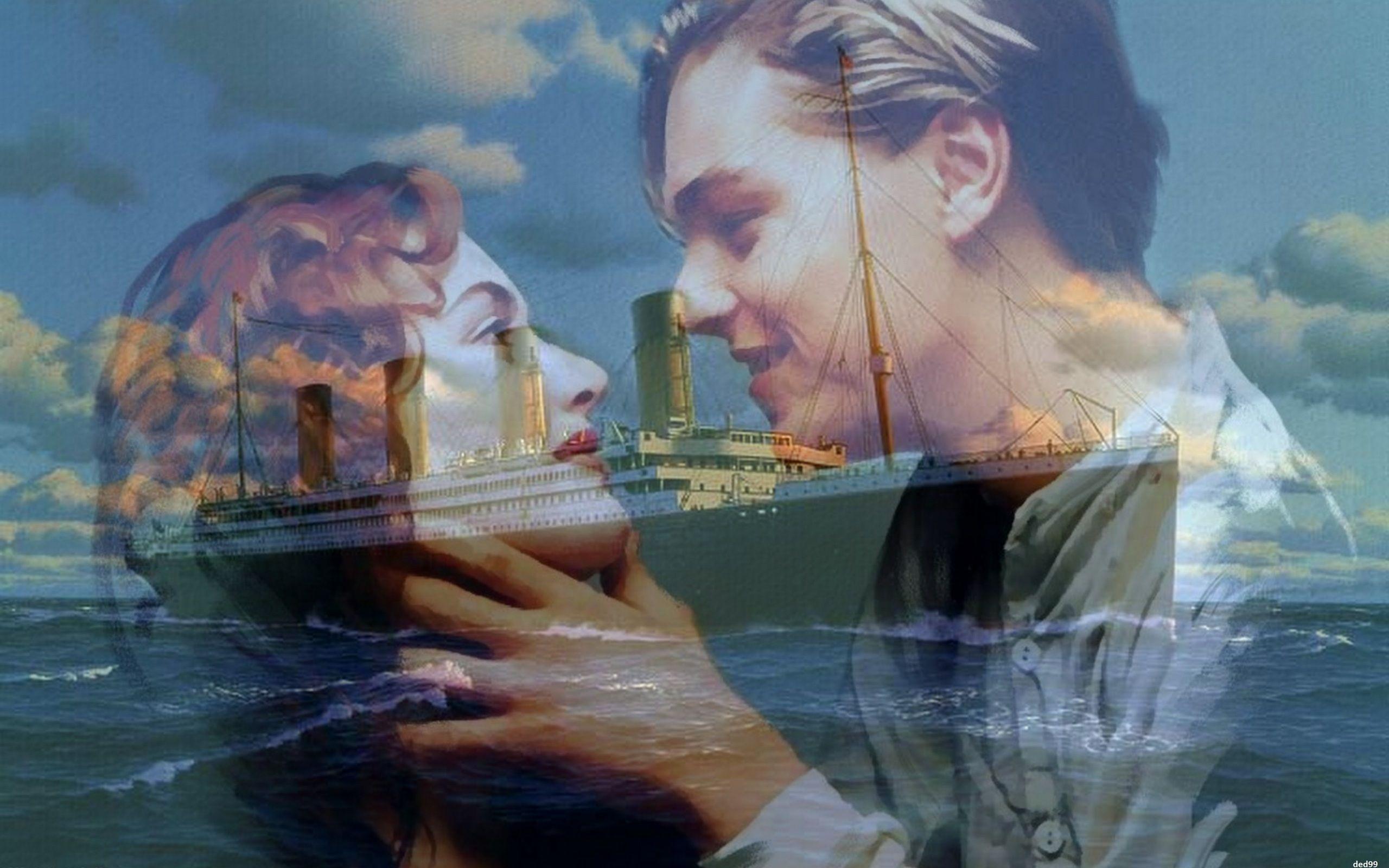
We all know the line. "Draw me like one of your French girls." It’s basically the ultimate pop-culture shorthand for romantic vulnerability, right? But if you revisit the moment Jack Dawson drawing Rose happens in James Cameron’s 1997 epic, there’s a whole lot more going on than just a scandalous sketch and some flickering candlelight.
Honestly, most of us were probably too distracted by the necklace—or the sheer 90s star power of Leo and Kate—to realize we were watching a masterclass in filmmaking trickery. That drawing isn't just a prop. It's the literal anchor of the entire 194-minute movie. Without that piece of charcoal on paper, the 1996 salvage crew never finds Rose, the story never starts, and we don't spend three hours crying into our popcorn.
The Secret Artist Behind the Charcoal
Here is the first thing that usually shocks people: Leonardo DiCaprio didn't draw that. Not even a little bit.
While Jack Dawson is portrayed as this wandering, soulful artist with a portfolio full of Parisian sketches, those hands you see in the close-ups? Those belong to James Cameron. Yeah, the director. It turns out Cameron is a seriously gifted illustrator. He didn't just direct the ship sinking; he sat down and drew the "Heart of the Ocean" sketch himself.
There was a bit of a technical snag, though. James Cameron is left-handed. Jack Dawson, as established in the rest of the film, is right-handed. To fix this, the editors had to mirror-image the footage of Cameron’s hands in post-production. It’s a seamless bit of "invisible" movie magic, but once you know it, you can’t unsee the weirdly specific focus on the charcoal’s tip.
Why the Sketch Matters for Rose’s Arc
For Rose DeWitt Bukater, the act of being drawn was less about being "nude" and more about being seen.
She’s surrounded by Monet and Picasso paintings that her fiancé, Cal, dismisses as "finger paintings" that won't amount to anything. When she asks Jack to draw her, she’s choosing a different kind of art—the kind that captures her as a person, not as a social ornament. It’s her first real act of rebellion. She’s literally shedding the "armor" of her high-society life.
And let’s be real, the sketch is also a huge plot device. Cal finding that drawing in his safe is what triggers the whole "framing Jack for theft" subplot. It’s the catalyst for the chaos that follows.
Behind the Scenes: Awkwardness and Improvisation
If you think the scene feels a bit tense, that’s because it was. This was actually one of the very first scenes Kate Winslet and Leonardo DiCaprio filmed together.
James Cameron did that on purpose. He wanted the raw, genuine awkwardness of two people who barely know each other trying to navigate a deeply intimate moment. It worked. In fact, one of the most famous lines in the movie was actually a mistake.
When Jack tells Rose to go over to the couch, he originally said, "Lie on the bed, uh, I mean the couch." That wasn't in the script. DiCaprio genuinely flubbed the line because he was nervous. Cameron loved the slip-up so much he kept it in. It made Jack feel like a real teenage guy in over his head, rather than a suave, practiced seducer.
The Real-Life Value of the Prop
You might wonder what happened to the actual physical drawing. In the movie, it’s recovered from a safe at the bottom of the Atlantic, caked in mud but miraculously preserved.
In real life, the sketch has become a legendary piece of cinema history. In 2011, the original drawing used in the film was sold at an auction for roughly $16,000. It’s signed with Jack’s initials "J.D." and dated April 14, 1912—the night the Titanic hit the iceberg. For a piece of paper that spent most of its "life" in a prop department, that’s a pretty staggering price tag.
Is the Drawing Scene Historically Accurate?
People often ask if a 1912 socialite would actually do something like this. While the "French girls" line sounds very modern, the practice of "life drawing" was definitely a thing.
However, Rose’s collection of art (like the Monets) was a bit of a historical "what if." Some of those specific paintings weren't on the actual Titanic, but Cameron included them to show Rose’s progressive taste. She was a woman ahead of her time, and the sketch by Jack—a penniless "nobody"—was her way of rejecting the stuffy, academic portraits of her own class.
Actionable Insights for Titanic Fans
If you’re a fan of the film or an aspiring artist inspired by Jack’s style, here are a few things to keep in mind:
- Study the "Tech Noir" Style: If you want to see more of the art that inspired Jack's sketches, look up James Cameron’s book, Tech Noir. It features decades of his personal concept art and drawings.
- Charcoal Over Pencil: To get that specific "Jack Dawson" look, you need to use vine charcoal or soft graphite. The smudge-heavy, high-contrast look in the film is very specific to charcoal.
- Visit the Exhibits: Many of the props from the film, sometimes including replicas of the sketches, rotate through the Titanic: The Artifact Exhibition locations (like the one in Las Vegas).
- Watch the 4K Restoration: If you haven't seen the scene since the 90s, the 4K 25th-anniversary release shows the detail in the sketch—and the texture of the paper—with way more clarity than the old VHS tapes ever could.
The scene of Jack Dawson drawing Rose remains iconic because it’s the quiet before the storm. It’s the one moment where the ship isn't sinking, the class divide doesn't matter, and two people are just... there. It’s art, but it’s also the heartbeat of the movie.
If you want to dive deeper into the production history, check out the behind-the-scenes documentaries on the Titanic Blu-ray or the official James Cameron archives. Most of the "making of" footage shows Cameron actually sitting on the floor, sketching away while the actors wait for their cues. It's a reminder that even the biggest blockbusters in history usually start with a pencil and a piece of paper.