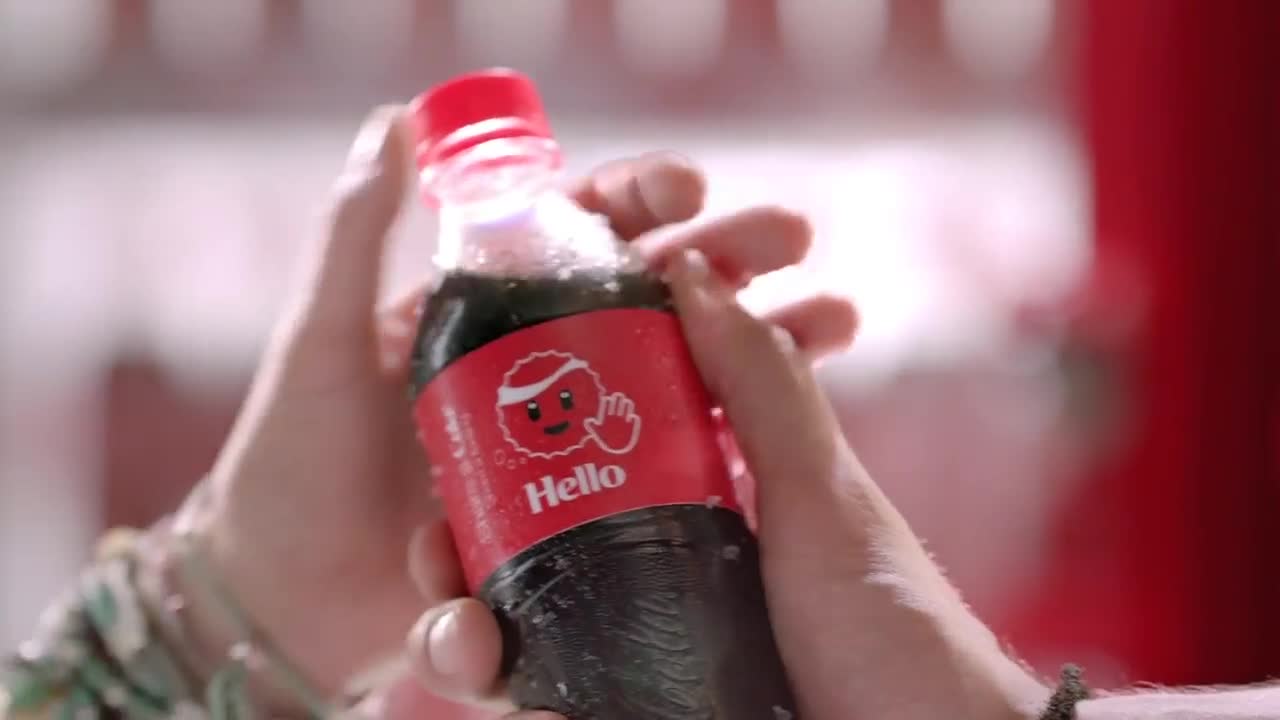
It was probably the most innocuous five seconds in the history of beauty vlogging. James Charles, sitting in his car, holding a classic red can, and uttering a simple greeting. Yet, the James Charles Coca Cola hello moment somehow became a permanent fixture of internet subculture. It wasn’t a scandal. It wasn’t a high-production makeup tutorial involving thousands of dollars of product. It was just... a vibe. Honestly, if you were on TikTok or YouTube during the peak of the influencer "Golden Age," you couldn't escape the remixes.
Why did it stick?
Internet culture is weirdly obsessed with the mundane. When a massive celebrity like James Charles does something that feels unscripted or slightly "off," the collective internet pounces. This specific clip captures a very specific era of digital history. It was a time when influencers were trying to be "relatable" by showing their fast-food runs or their soda preferences, often resulting in moments that felt ironically performative.
The Origin of the James Charles Coca Cola Hello
Context matters. James didn't just wake up and decide to make a commercial for Coke. The clip actually stems from his broader "Day in the Life" style content where he was frequently seen grabbing a Diet Coke or a regular Coke as his "emotional support beverage."
The specific "hello" that launched a thousand memes happened during a casual intro. He held the can up—almost like a microphone or a shield—and chirped a high-pitched, signature greeting. It was the "Sister" era. Everything was high energy. Everything was "extra."
People started looping it. They slowed it down. They turned it into a "jump scare" for unsuspecting viewers. The James Charles Coca Cola hello became a digital shorthand for that specific brand of over-the-top influencer energy that defined the late 2010s and early 2020s.
Why the Algorithm Loved It
Platforms like TikTok thrive on short, punchy audio bites. This clip was the perfect length. It had a recognizable face, a recognizable brand, and a sound bite that was easy to manipulate.
Digital anthropologists (yes, that's a real thing people call themselves now) argue that these moments thrive because of "cringe-consumption." We don't necessarily watch it because we like it; we watch it because it feels slightly awkward. James has always been a polarizing figure, which only added fuel to the fire. Every time he posted, half the comments were fans and the other half were people looking for the next meme-able slip-up.
Branding, Accidental Product Placement, and the "Coke" Effect
There's an interesting business angle here, too. Coca-Cola is one of the most litigious and protective brands on the planet. Usually, they pay millions for this kind of visibility. With the James Charles Coca Cola hello, they got it for free—but it came with a side of internet irony.
The Power of Unpaid Endorsements
Did James get a check for this? No. At the time, there was no official partnership regarding this specific viral moment. In fact, many brands are terrified of being associated with influencers who are constantly in and out of the "cancellation" cycle.
But look at the impact:
- Massive brand visibility among Gen Z.
- Integration into "lifestyle" aesthetics.
- Thousands of user-generated videos featuring the product.
It’s a masterclass in accidental marketing. Even if the brand didn't ask for it, the red can became a prop in a digital play that reached millions. It highlights how influencers can shift the perception of a legacy product without a formal contract. For a while there, you couldn't see a teen with a Coke without someone whispering "Sisters!" in the background. It's kinda wild when you think about it.
The Evolution of the Meme: From YouTube to TikTok
The lifecycle of a meme is usually about three weeks. This one lasted years. It evolved.
First, it was just the clip. Then came the "deep-fried" versions where the audio was distorted beyond recognition. Then came the transition videos. You'd see a professional makeup look, then a sudden cut to the James Charles Coca Cola hello as a way to "reset" the viewer's brain.
The "Hi Sisters" Connection
You can't talk about the Coke clip without talking about the "Hi Sisters" catchphrase. They are intrinsically linked. The Coca-Cola greeting was essentially a visual extension of his verbal branding. It was the physical manifestation of his online persona—bright, caffeinated, and perhaps a little too loud for a Tuesday morning.
Many creators tried to replicate this. They tried to find their own "object" to hold during intros. Some tried iced coffee (the Emma Chamberlain effect), others tried energy drinks. But none of them quite captured the strange, lightning-in-a-bottle energy of James and his soda can. It felt authentic in its inauthenticity.
Analyzing the "Influencer Voice"
Have you ever noticed how influencers talk differently when they're on camera? Linguists actually study this. It's often called "Internet Voice" or "Influencer Lilt."
The James Charles Coca Cola hello is a textbook example. There’s an upward inflection at the end of the word. It’s welcoming but also demanding of your attention. When James says "hello," he isn't just greeting you; he's announcing his presence. He's claiming the space.
This vocal fry and pitch shift are tools of the trade. They keep viewers engaged. In a world of 8-second attention spans, a boring "hello" means the viewer scrolls past. A "James Charles hello" makes you stop, even if it's just to roll your eyes. That stop is all the algorithm needs to count a view.
Misconceptions About the Viral Clip
A lot of people think this was a leaked video or a mistake. It wasn't. It was part of a planned upload. James knew what he was doing—to an extent. He knew his "sisters" liked his personality, and he was leaning into it.
Another misconception? That Coca-Cola hated it. While they didn't officially comment, big corporations rarely mind when their product is synonymous with a "vibe" that keeps them relevant with younger demographics. As long as it isn't overtly negative, it's basically a free billboard in the middle of a digital town square.
Was it Staged?
In the world of high-level influencers, very little is truly accidental. While the reaction to the clip was organic, the choice to include a "cutesy" intro with a prop was a conscious editorial decision. James Charles is a business. He understands framing. He understands his "character." Holding the Coke was a way to ground the "larger-than-life" makeup artist in a mundane reality. "Look, I drink soda just like you!"
The Lasting Legacy of the "Coke Hello"
We’re years removed from the peak of this meme, yet it still pops up. Why? Because it represents a turning point in how we consume celebrity content. We no longer want the polished, perfect version of a star. We want the version that’s a little bit cringe. We want the version we can remix and make fun of.
The James Charles Coca Cola hello proved that a creator's brand isn't just about their skill—in this case, makeup—but about their quirks. It’s the "small" things that create the deepest connection (or the strongest reaction).
How to Use This Knowledge
If you’re a creator or a brand, there’s a massive lesson here. Stop trying to be perfect. The "perfect" videos are the ones people forget. The ones that are slightly weird, slightly awkward, or have a strange recurring element? Those are the ones that stick.
To apply this to your own digital presence:
- Find your "Coke can." What is a recurring, mundane object or phrase you can use to ground your content?
- Embrace the "cringe." If you do something awkward on camera, don't always edit it out. It might be the very thing that makes you go viral.
- Understand your audio. Think about how your voice sounds in the first three seconds. Is it "remixable"?
- Watch the trends. The James Charles clip didn't stay on YouTube; it migrated. Be ready to adapt your "thing" to new platforms.
The internet is a weird place. It takes a five-second clip of a guy holding a soda and turns it into a cultural touchstone. Whether you love him or hate him, the James Charles Coca Cola hello is a permanent part of the digital archives. It’s a reminder that in the attention economy, being memorable is always better than being perfect.
If you want to understand the current state of influencer marketing, look past the million-dollar deals. Look at the five-second clips that people can’t stop quoting. That’s where the real power lies.
Actionable Next Steps
- Audit your intros: Look at your last five videos or posts. Are you starting the same way every time? Try introducing a physical prop or a specific vocal "hook" that feels uniquely yours.
- Lean into organic mentions: If you're a brand, monitor social media for "accidental" product placements like the Coke can. Instead of sending a cease and desist, consider engaging with the meme in a self-aware way.
- Study vocal patterns: Listen to top creators in your niche. Notice the "Influencer Lilt." You don't have to copy it, but understanding why it works can help you develop your own authoritative yet accessible tone.
The era of the untouchable celebrity is over. We're in the era of the "remixable" influencer. The James Charles Coca Cola moment wasn't a fluke; it was a blueprint. Use it.