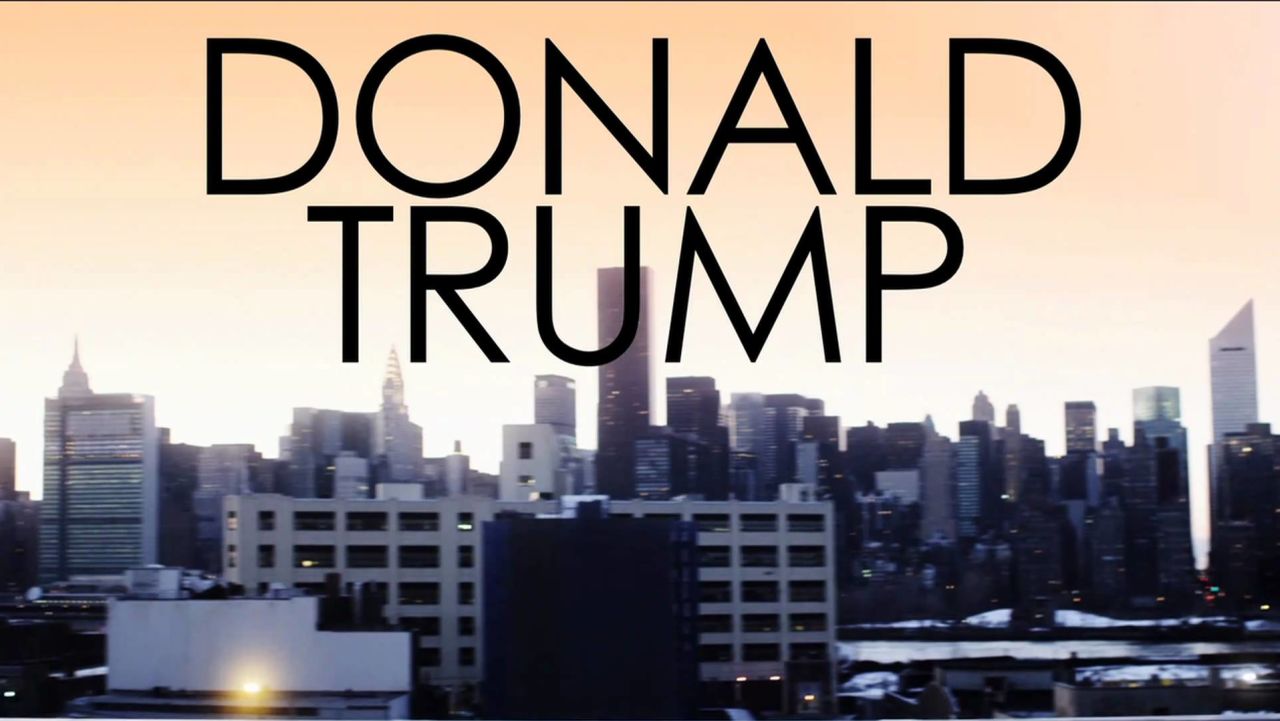
It started as a goofy anthem for 19-year-olds dreaming of a penthouse lifestyle. Then it turned into a legal threat. Then it became a full-blown political war.
If you were around in 2011, you couldn’t escape the track. Mac Miller was the smiling kid from Pittsburgh with a snapback and a flow that felt like a sunny afternoon. His breakout hit, "Donald Trump," wasn't actually about politics. Honestly, it was barely about the man himself. It was about the idea of him—the gold-plated, "Apprentice"-era symbol of making it big.
"Take over the world when I'm on my Donald Trump shit," Mac rapped. At the time, he just wanted to be rich.
But things got weird fast.
The "Next Eminem" and the 20 Million Views
Initially, the real-life Donald Trump was thrilled. He actually loved the song. He even filmed a video in his office at Trump Tower, calling Mac "the next Eminem" and saying he was "very proud" of the kid.
It was a strange, brief moment of mutual respect. Mac was a rising star; Trump was a reality TV mogul who loved seeing his name in lights. But as the song climbed the Billboard Hot 100 and the music video racked up tens of millions of views, the vibe shifted.
Trump decided he wanted a piece of the pie. Or, more accurately, he wanted the whole pie.
By 2013, the tweets started flying. Trump claimed Mac used his name and likeness illegally. He called the rapper an "ungrateful dog" and threatened a massive lawsuit. He even mocked Mac’s hair. It was quintessential Trump—loud, aggressive, and playing out in 140 characters.
Mac's response? He was mostly just confused. He pointed out that the song actually helped Trump’s brand with a younger demographic. He even joked that he should have just named the song "Bill Gates" instead.
When the Jokes Stopped Being Funny
The feud took a much darker turn when Trump announced his run for the presidency.
Suddenly, the song wasn't just a fun throwback to Mac’s mixtape days. It was a liability. During a 2016 appearance on The Nightly Show with Larry Wilmore, Mac didn't hold back. He called Trump an "egomaniacal, attention-thirsty, psychopathic, power-hungry, delusional waste of skin and bones."
He wasn't laughing anymore.
"I f***ing hate you, Donald Trump," Mac said directly into the camera.
He worried that the very man he once used as a symbol of success was now dividing the country. He felt a weird sense of responsibility for having popularized the name among his fans. It’s a nuance people often miss: Mac didn’t just hate Trump; he regretted the association he had created.
The Timeline of a Falling Out
- 2011: Song is released. Trump calls Mac "the next Eminem."
- 2012: Song goes Platinum. Trump starts demanding royalties.
- 2013: The "Big Boy Lesson" tweet. Trump threatens to sue and calls Mac "ungrateful."
- 2015: Trump uses the song at rallies. Mac asks him to stop.
- 2016: Mac delivers a viral monologue on The Nightly Show condemning Trump's rhetoric.
- 2018: Mac Miller passes away. The feud remains one of the oddest footnotes in hip-hop history.
The Legal Reality (Or Lack Thereof)
Despite all the bluster about "teaching a lesson in finance," no lawsuit ever actually happened. You can't really sue someone for using your name in a song title as a metaphor for success—that’s protected under the First Amendment and fair use.
Trump’s legal team likely knew this. The threats were a performance. But for a young artist like Mac, who was just trying to find his voice, being targeted by a billionaire was a heavy weight to carry.
Actionable Takeaways for Music Fans
The Mac Miller vs. Donald Trump saga is more than just a "celebrity beef." It’s a case study in how the meaning of art can change over time. If you’re a fan or a student of pop culture, here’s how to look at it now:
- Listen to the lyrics in context: Go back and listen to the track. Notice how it’s strictly about wealth, not character. It’s a time capsule of 2011 "frat rap."
- Watch the Nightly Show speech: It’s one of Mac’s most articulate and passionate moments. It shows a side of him that was deeply engaged with the world around him.
- Respect the growth: Mac’s music evolved significantly from "Best Day Ever" to "Swimming." He grew out of the "Donald Trump" era, both musically and personally.
- Understand the Trademark myth: Realize that naming a song after a public figure is generally legal. Don't let "cease and desist" threats in the media fool you about actual copyright law.
The song still gets play at parties, but the "shit" Mac was on in 2011 isn't the legacy he left behind. He became something much deeper than a brand name.
To really understand the impact Mac had, skip the "Donald Trump" track for a second and go listen to Faces or Circles. That's where the real story is.