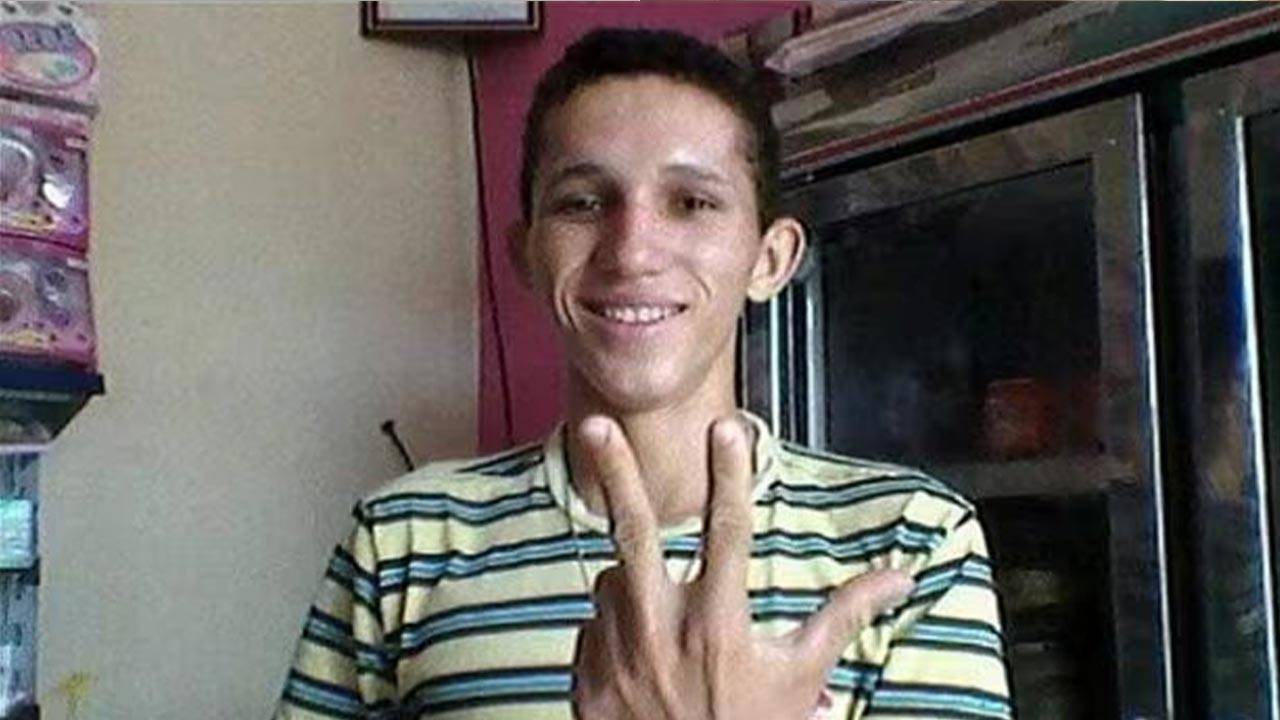
It is one of those stories that feels like an urban legend. You hear it whispered in football forums or see it pop up in "darkest moments in sports" YouTube compilations. But the story of the Octavio da Silva referee incident is tragically real. It didn’t happen in a glitzy FIFA stadium under the bright lights of a metropolitan city. Instead, this horror unfolded on a dusty, amateur pitch in Pio XII, a remote town in the Maranhão state of northern Brazil.
The date was June 30, 2013. Most of the world was looking toward Brazil for different reasons then. The country was preparing for the 2014 World Cup. Tensions were high due to social unrest and massive spending on stadiums. But in this small corner of the north, a local game turned into a scene that the human mind isn't really wired to process. Honestly, calling it a "match" might even be an overstatement. Later reports suggested it was more of a neighborhood pick-up game where Octavio Jordão da Silva Cantanhede, just 20 years old, had stepped in to whistle because he had an injured foot and couldn't play.
The Moment Everything Spiraled Out of Control
The game was reportedly heated from the start. Around the midpoint of the match, Otávio (often cited in English as Octavio da Silva referee) made a decision that changed everything. He sent off a 31-year-old player named Josenir dos Santos Abreu.
Abreu didn't go quietly.
A confrontation began. It wasn't just words. Witnesses said a physical fight broke out between the young referee and the veteran amateur player. Then, the unthinkable happened. Octavio pulled a knife. He stabbed Abreu multiple times. It’s hard to imagine a referee carrying a weapon on the pitch, but in this informal setting, the "rules" of professional sports were non-existent.
Abreu was rushed toward a hospital. He never made it. He died from his injuries before he could receive medical help.
A Mob Mentality Like No Other
When the news of Abreu's death reached the spectators back at the field—many of whom were Abreu’s friends and family—the atmosphere turned from shock to pure, unadulterated vengeance. They didn't wait for the police. They didn't ask for a trial.
The mob descended on Octavio da Silva.
They tied him up. They beat him. They stoned him. The violence didn't stop at his death. In a display of brutality that made international headlines, the crowd reportedly decapitated the referee and placed his head on a stake in the center of the pitch.
It was medieval.
The Investigation and Legal Reality
Santa Ines police chief Valter Costa was tasked with cleaning up the pieces. "One crime will never justify another," he famously told reporters at the time. He was right. The local authorities were in a desperate race to show that Brazil was a state of law, especially with the eyes of the world starting to focus on the upcoming World Cup and the 2016 Olympics.
- Luis Moraes Souza: A 27-year-old man was the first to be arrested.
- Accomplices: Police eventually identified other suspects, including Souza's brother and a man named Francisco Edson Moraes de Souza.
- Video Evidence: Perhaps most disturbingly, the entire incident was captured on various cell phones. The footage—which still haunts the dark corners of the internet—was used by investigators to identify those who participated in the lynching.
People often ask how this could happen. It’s a mix of factors. Rural isolation, a lack of police presence at local events, and a culture where "frontier justice" sometimes replaces the slow-moving legal system.
Why the Octavio da Silva Referee Story Still Haunts Football
This wasn't about a bad offside call. It wasn't about a missed penalty. It was a complete breakdown of the social contract. When we talk about the Octavio da Silva referee case today, it serves as a grim reminder of the volatility of sports when stripped of professional oversight and security.
You’ve probably seen the "beheaded referee" headlines before. Usually, they are clickbait. In this case, they were a literal description of the crime scene. It remains one of the most extreme examples of sports-related violence in recorded history.
Clearing Up Common Misconceptions
There are a lot of "facts" floating around that aren't quite right. Let's set the record straight on a few things.
First, this was not a professional FIFA-sanctioned match. You’ll see some blogs claiming it was a "league game." It wasn't. It was an informal, unsanctioned match in a rural neighborhood.
Second, Octavio wasn't a "career referee." He was a 20-year-old local. Some sources even say he was only officiating because his own injury kept him from playing that day.
Third, the "stake" detail is often debated as sensationalism, but Maranhão state police confirmed the brutality of the scene in their initial statements. It wasn't just a rumor; it was part of the forensic reality of the case.
Actionable Insights and Safety Precautions
If you are involved in organizing amateur or "pick-up" sports, there are real lessons to be learned from tragedies like this, even if they seem like extreme outliers.
- Never Ref Without Neutrality: If a game is personal—meaning friends and family are the ones watching—the referee should ideally be someone with zero ties to either side.
- Security is Not Optional: If a match draws a crowd, there must be a plan for security. In rural or informal settings, this is often ignored until it is too late.
- Walk Away: For players and referees alike, if the atmosphere turns from competitive to threatening, the game must end immediately. No trophy or neighborhood "bragging rights" are worth a physical confrontation.
- Standardized Rules: Even in casual games, agreeing on a code of conduct before the first whistle can prevent minor disagreements from escalating into violence.
The tragedy of the Octavio da Silva referee incident is that two lives were lost over an amateur game that should have been nothing more than a Sunday afternoon distraction. It stands as a dark testament to what happens when emotion replaces order on the field.