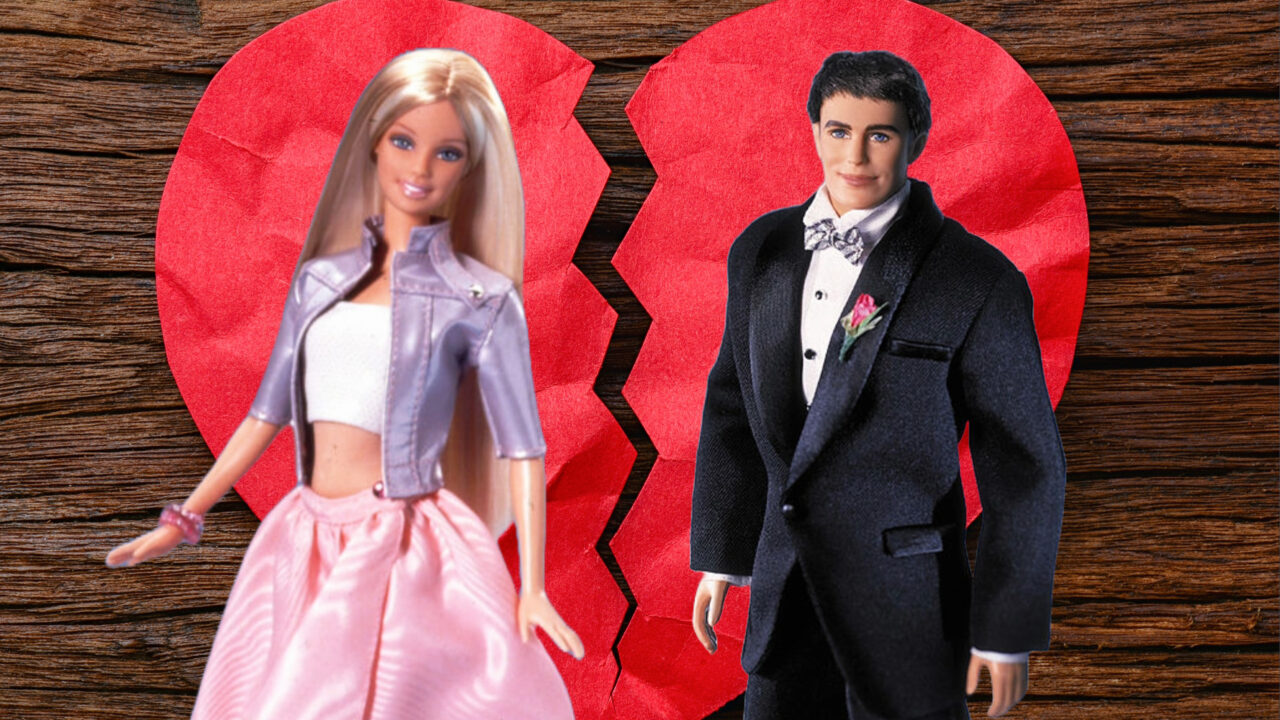
In March 1961, Mattel dropped a 12-inch vinyl bombshell at the International Toy Fair in New York. His name was Kenneth Sean Carson, but you probably know him as just Ken. He wasn't exactly the tan, muscular surfer dude he eventually became. No, the original Ken doll was a bit scrawnier, a half-inch taller than Barbie, and sporting a fuzzy haircut that would eventually lead to a major manufacturing headache.
Honestly, he was only created because people kept complaining. Ruth Handler, the mastermind behind Barbie, started getting letters from parents and kids who were convinced Barbie was lonely. They wanted a man in her life. Ruth, working with designers Charlotte Johnson and Jack Ryan, gave them Ken. But here's the weird part: just like Barbie was named after Ruth’s daughter Barbara, Ken was named after her son, Kenneth.
Basically, the world's most famous plastic couple is named after a pair of real-life siblings. Kinda makes those "Dreamhouse" dates feel a little different, doesn't it?
The Flocked Hair Fiasco (And Why It Matters to Collectors)
If you find an original Ken doll today, the first thing you’ll notice is his hair. It isn't molded plastic. It’s "flocked."
This means Mattel applied a layer of fuzzy felt-like material to the doll's head to give it a soft, realistic texture. It came in three colors: blonde, brunette, and a much rarer "brownette." While it looked great in the box, it was a total disaster in the hands of a kid.
If Ken went for a swim—which, let's be real, he was dressed for—the "hair" would just... melt. It would rub off or peel away when wet, leaving poor Ken with patchy bald spots. Mattel figured this out pretty fast. By 1962, they ditched the fuzz and switched to the molded, painted plastic hair that defined the character for the next decade.
Because of this, a 1961 Ken with his original flocking intact is the "holy grail" for many collectors. You'll often see them with a tiny little cellophane bag over their heads in old boxes; that was Mattel's way of trying to protect the fuzz before it even reached the store.
What He Actually Wore (No, It Wasn't a Tux)
When he first hit shelves for about $3.50, Ken was ready for the beach. He didn't come with a full wardrobe; he had the basics.
- The Trunks: Solid red cotton or knit shorts. Early versions often had a white stripe down the side.
- The Footwear: Cork sandals with red vinyl straps. These are notorious for getting lost.
- The Accessory: A yellow terrycloth towel.
The box art actually showed him in black-and-white striped trunks to match Barbie’s iconic swimsuit, but those were never mass-produced for the doll itself. If you see those, you're looking at a prototype or an extremely rare promotional piece.
The original Ken doll also had a very specific "stance." His arms were straight and didn't bend at the elbows. His legs were "straight legs," meaning no clicking knees. He was made in Japan, and if you flip one over, you’ll usually see "JAPAN" stamped on the bottom of his right foot.
The Great Genitalia Debate
This is one of those things that most people don't realize was a huge behind-the-scenes fight. Ruth Handler and Charlotte Johnson actually wanted Ken to be anatomically correct. Or, at the very least, they wanted him to have a "bulge" in his trunks.
They argued it was more realistic.
The male executives at Mattel? They were absolutely horrified. They thought it was "indecent" for a children's toy. The compromise was the "smooth groin" look we’ve all seen for over sixty years. It’s funny because, even back in 1961, the designers were pushing for a level of realism that the corporate office just wasn't ready to handle.
Identifying a Real 1961 Original Ken Doll
If you’re digging through an attic or hitting an estate sale, you need to know what you're looking at. The market is flooded with "vintage" Kens, but 1961 is the year that counts for the "original" title.
- Check the hair: If it’s fuzzy (flocked), it’s almost certainly a 1961 or early 1962 model.
- Look at the feet: The 1961 version has "JAPAN" stamped on the sole. Early versions had the stamp going across the width of the foot, while slightly later ones had it going along the length.
- Find the marking: The small of his back should be stamped with "Ken™" and a copyright date of 1960 (which is the year the design was finalized, not the year it was sold).
- The Eyes: Original Kens usually have teal or blue eyes with very thick, hand-painted eyebrows.
Why Does He Still Matter?
Ken has always been "just Ken." In the early 1960s Random House books, his full name was established as Kenneth Sean Carson, a guy from the fictional town of Willows, Wisconsin. He met Barbie on the set of a TV commercial.
For decades, he was treated as "arm candy," a sentiment that the 2023 Barbie movie leaned into heavily. But looking back at that first 1961 release, you see a toy that was trying to find its footing. He was a response to a consumer demand for "the boy next door." He wasn't a superhero or a soldier; he was just a guy in red shorts with a towel.
He paved the way for the "Mod" Ken of the late 60s, the "Malibu" Ken of the 70s, and the hundreds of careers he’s had since. But he started as a skinny kid with fuzzy hair that fell off if you got it wet.
Actionable Tips for Collectors
If you're looking to buy or sell an original Ken doll, keep these points in mind:
- Condition is everything: A "bald" flocked Ken is worth significantly less than one with a full head of fuzz. Avoid "restored" hair if you want a pure investment piece; original flocking has a specific texture that’s hard to replicate.
- The Box adds value: A "Mint in Box" (MIB) 1961 Ken can go for $500 to $1,000 depending on the hair color (Brownettes are the highest). Without the box, you’re looking at a $50 to $150 range for a decent specimen.
- Verify the "Brownette": This hair color was a store exclusive and is often confused with the standard Brunette. The Brownette has a more reddish-brown hue and is significantly harder to find.
- Beware of "Franken-dolls": Sometimes people put an original flocked head on a later 1960s body. Check the skin tone match between the head and the torso; the 1961 vinyl has a very specific "pale but tan" look that changed as the years went on.
Start by examining the markings on the lower back and feet of any doll you find to confirm its origin before spending a dime.