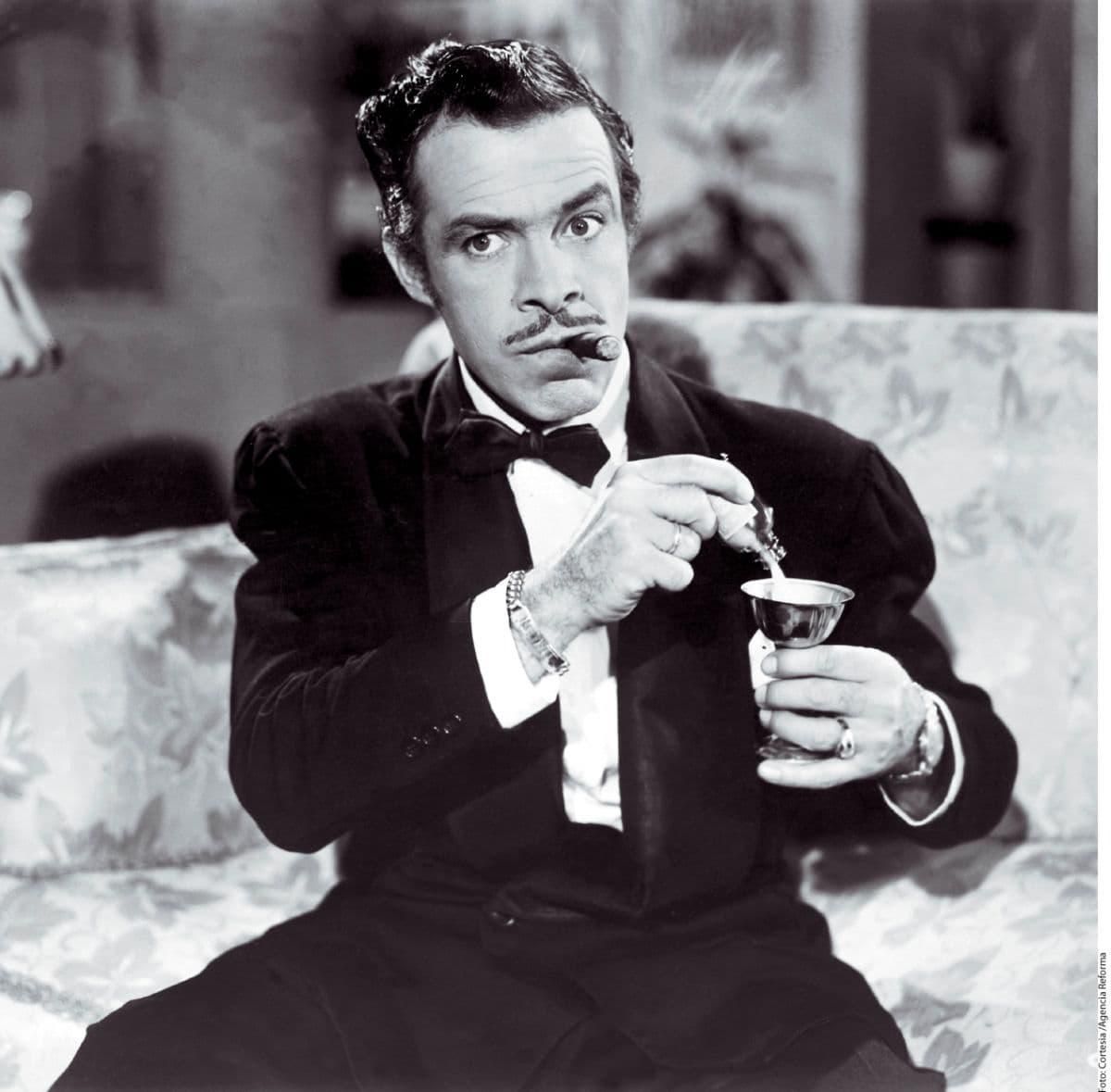
If you’ve spent any time in a Mexican bakery or just scrolled through the food side of TikTok lately, you’ve heard it. That jaunty, rhythmic tin-can beat. The voice of Tin Tan. It’s infectious. Honestly, it’s more than just a song; it’s a Pavlovian trigger for anyone who loves carbs. But when you look for the el panadero con el pan lyrics in english, you realize this isn't just about a guy selling rolls. It’s a literal time capsule of Mexican cinematic history.
Germán Valdés, better known as Tin Tan, was the king of the "Pachuco" style. He was cool. He was frantic. He was the guy who could make a song about bread sound like a jazz-infused comedy routine.
What the Song Actually Says: A Raw Translation
Most people just hum along to the "tin-tin-tin" part. That’s fine. But the actual el panadero con el pan lyrics in english reveal a very specific, high-energy sales pitch. The song opens with the iconic sound of the baker tapping on his bread box or his bicycle frame.
The baker arrives. He’s shouting. He’s telling everyone—the housewives, the girls, the kids—to come out because the bread is hot. He’s not just selling "bread." He’s listing a menu. He mentions bolillos, which are the staple crusty rolls, and teleras, which are softer and flatter. Then he gets into the sweet stuff. He screams out for the conchas, those iconic seashell-patterned brioche buns that everyone knows.
He’s basically saying: "The baker with the bread, the baker with the bread is here! Don't let me go, I'm leaving!" It’s a frantic, joyful urgency. He’s asking the "niñas" (girls) to come out and buy before he moves to the next block. It’s simple, but in the context of the film Ay Amor... Cómo me has puesto! (1951), it becomes a masterclass in physical comedy and timing.
The Cultural Weight of a 70-Year-Old Jingle
Why do we care about this in 2026? Because it’s authentic.
In an era of hyper-processed, plastic-wrapped grocery store loaves, the song represents a vanishing way of life. The panadero on a bicycle, balancing a massive wicker basket (canasta) on his head, is a sight that still exists in some neighborhoods in Mexico City or Oaxaca, but it's getting rarer.
Tin Tan wasn't just a singer. He was a linguistic rebel. He spoke Spanglish before it was a recognized dialect. He used slang that confused the elites but delighted the working class. When you read the el panadero con el pan lyrics in english, you lose some of that "Pachuco" flavor—the specific way he rolls his 'R's and the scat-singing "tra-la-la" bits—but you gain an appreciation for the hustle.
The song captures the merolico spirit. A merolico is a street vendor who uses a fast-talking, rhythmic patter to sell anything from snake oil to sweet rolls. Tin Tan took that street energy and put it on the silver screen.
Why the Internet Can't Get Enough of It
It’s the memes.
A few years back, the song saw a massive resurgence on Instagram Reels and TikTok. People would sync the "tin-tin-tin" beat to videos of their dogs waiting for treats or, more commonly, someone literally sprinting to a bakery. It’s the ultimate "vibe" song.
But there’s a bit of a misconception. Some people think it’s just a children's nursery rhyme. It isn't. It’s a piece of sophisticated 1950s film choreography. If you watch the original clip from the movie, Tin Tan is weaving through traffic, dodging people, and singing with a level of breath control that would make a modern rapper sweat.
The Specific Breads Mentioned (The Glossy Details)
You can't really understand the el panadero con el pan lyrics in english without knowing what he’s actually carrying in that basket.
- Bolillo: The "crusty roll." It’s the backbone of the Mexican diet. If you’re making a torta, you need this. It’s salty, crunchy, and perfect.
- Telera: Similar to a bolillo but softer and usually divided into three longitudinal sections.
- Concha: This is the superstar. It’s a sweet bread topped with a crunchy cookie-like crust that looks like a shell.
- Pambazo: Often mentioned in the same breath as traditional breads, though it’s a very specific, tough bread usually soaked in guajillo sauce for sandwiches.
Lost in Translation: The Pachuco Nuance
When you translate these lyrics, you hit a wall with the word "Pachuco." Tin Tan was the ultimate Pachuco. This was a subculture of Mexican-Americans and Mexicans in the 40s and 50s known for zoot suits, flamboyant language, and a certain "cool" defiance.
When he sings about the baker, he isn't just a servant. He’s a character. He’s flirting with the women. He’s joking with the kids. The English translation often makes it sound like a dry transaction: "I have bread, please buy some." In the original Spanish, it’s a performance. It’s a party.
The song also uses onomatopoeia. That "tin-tin-tin" is meant to mimic the sound of a metal ring or a spoon hitting the side of the bread display. It’s a sound that triggered a specific response in 1950s Mexican households: "Get the money, the bread is here."
Technical Breakdown of the Rhythm
Musically, it’s a simple 4/4 beat, but the syncopation is what kills. Tin Tan’s delivery is slightly behind the beat, giving it a lazy, jazzy swing that was characteristic of the era's transition from Big Band to more localized Mexican pop styles.
People often ask if there are "official" English versions. Not really. Most are fan translations or literal subtitles. The charm is in the phonetics. Even if you don't speak a word of Spanish, you can feel the urgency of a man who needs to sell thirty rolls before they get cold and hard.
How to Use This Knowledge Today
If you're trying to impress your Mexican friends or just want to understand the depth of the culture, don't just memorize the words. Understand the why.
The song is a celebration of the "oficio" (trade). In Mexico, trades are respected. The baker, the butcher, the carbonero—they all had their songs. Tin Tan just happened to write the one that stayed immortal.
To truly appreciate the el panadero con el pan lyrics in english, you should go watch the 1951 film Ay Amor... Cómo me has puesto!. You’ll see Tin Tan on a bike, a basket on his head, defying the laws of physics. It puts the lyrics into a physical context that no text-based translation can ever fully capture.
The next time you hear that "tin-tin-tin," remember it’s not just a jingle. It’s a tribute to the hustle of the working class, dressed up in the finest Pachuco gold.
Practical Next Steps for Fans and Researchers
- Watch the Source: Look up the clip from Ay Amor... Cómo me has puesto! on YouTube. Seeing the "canasta" balance act is essential for context.
- Explore the Discography: If you like the vibe, search for Tin Tan’s other hits like "Pachuco de Oro" or his version of "Bonita."
- Visit a Panadería: Go to a local Mexican bakery and ask for a bolillo or a concha. Try to find a place that still uses wood-fired ovens for the most authentic experience.
- Study the Slang: Look into "Caló," the specific slang dialect used by Pachucos, to understand the deeper wordplay in Tin Tan’s lyrics.