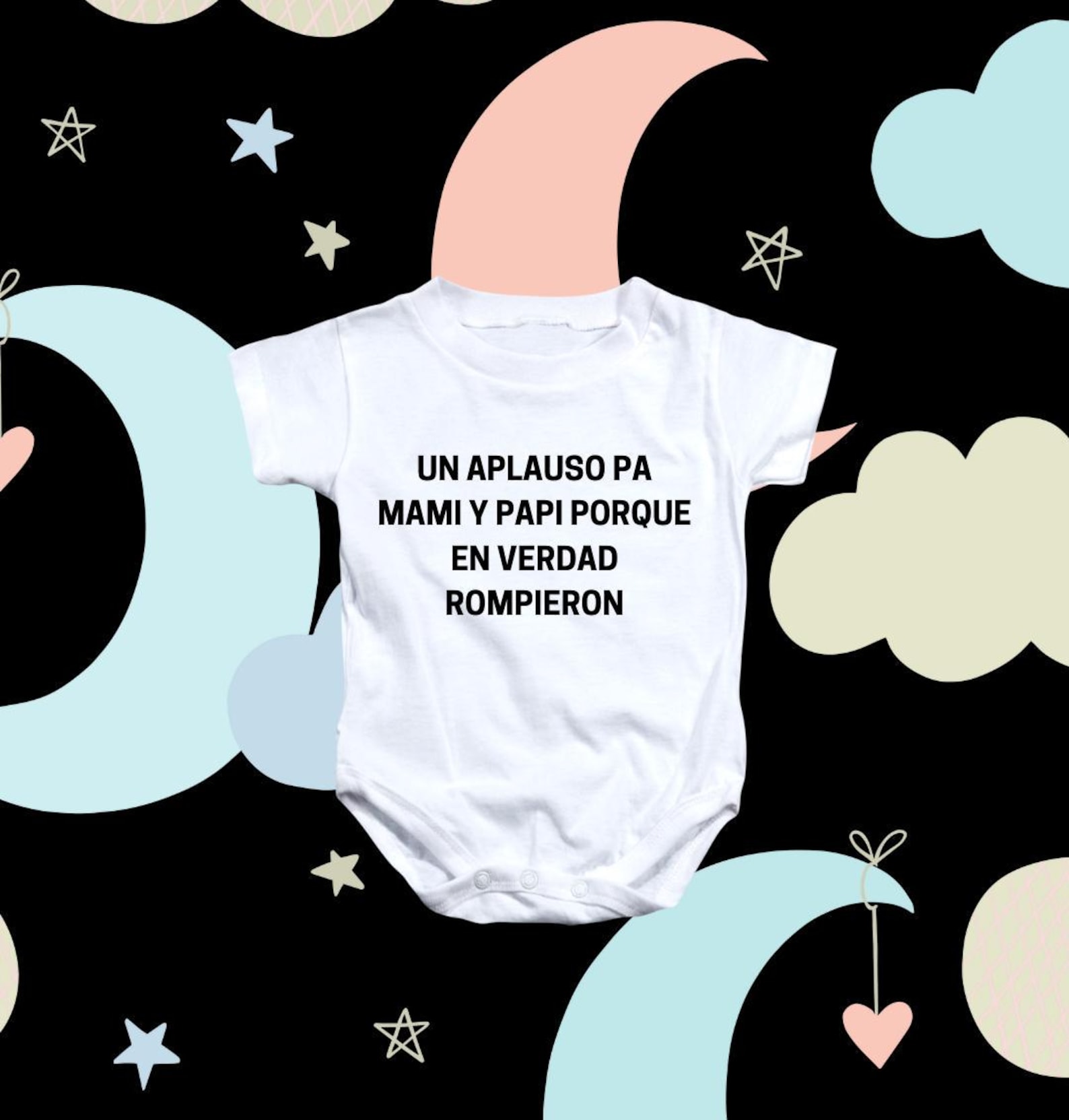
Parenting is exhausting. Honestly, it’s a marathon where the finish line keeps moving and nobody is handing out water bottles. Lately, you’ve probably heard the phrase un aplauso para mami y papi echoing through social media, family gatherings, and community events. It sounds simple. Just a round of applause, right? But it’s actually tapping into a massive shift in how we look at the emotional labor of raising humans in an era where everyone feels like they’re failing.
We live in a culture of "perfect" Instagram feeds. We see the curated lunches and the clean living rooms, but we rarely see the 3:00 AM fever checks or the mental breakdown over a lost shoe. When people call for un aplauso para mami y papi, they aren't just being polite. They are acknowledging the invisible grit required to keep a family unit functioning when the world feels increasingly chaotic. It’s a moment of radical validation.
The Psychology of Recognition in the Household
Why does a literal or figurative "applause" matter so much? Dr. Kyle Pruett, a clinical professor of child psychiatry at Yale School of Medicine, has long discussed the importance of parental well-being on child development. When parents feel seen, their cortisol levels drop. It’s science. Un aplauso para mami y papi serves as a social "reset" button. It moves the focus from the child’s achievements for a split second and places it on the architects of that child’s environment.
Most of us are running on fumes. Low sleep. High stress.
In many Hispanic and Latin American cultures, where the phrase originates, the "aplauso" is a staple of parties and birthdays. It’s loud. It’s communal. It breaks the "martyr" complex that often plagues parents. By celebrating the parents publicly, the community is saying, "We see you, and we know this is hard." This isn't about participation trophies for adults; it’s about preventing burnout through communal gratitude.
Breaking the Cycle of Perfectionism
Social media has ruined our collective sense of "good enough." According to a 2024 study on parental burnout, nearly 66% of parents meet the criteria for clinical exhaustion. The pressure to be a "gentle parent," a "provider," and a "homemaker" all at once is mathematically impossible.
When we give un aplauso para mami y papi, we are implicitly forgiving the mess. We are saying that showing up is the victory. You don't need a five-course meal on the table to deserve that applause. Sometimes, you just need to have survived the day without losing your cool. That’s the reality of modern life. It’s messy and loud and often quite thankless.
How to Actually Support Parents (Beyond the Phrase)
Words are great. Phrases are catchy. But if we want un aplauso para mami y papi to mean something, it has to translate into action. Empty praise is just noise. Real support looks like showing up.
Think about the "Village." People talk about it all the time, but where is it? Usually, it's buried under work schedules and long commutes. To give parents a real "applause," neighbors and friends can do small, weirdly specific things. Don't ask "how can I help?" because that’s just another task for the parent to think about. Just do it.
- Drop off a coffee without expecting a 30-minute conversation.
- Take the kids to the park for an hour so mami or papi can literally just stare at a wall in silence.
- Stop judging the screen time. Sometimes a tablet is the only thing keeping a parent’s sanity intact during a grocery run.
The Role of "Papi" in the Modern Conversation
We have to talk about the "Papi" part of the equation. Historically, the "aplauso" was often heavily weighted toward mothers because they did the bulk of the domestic labor. But the landscape is shifting. Pew Research Center data shows that fathers are more involved in childcare than at any point in the last half-century.
Yet, dads often get "praised" for things that are just... parenting. "Oh, he's babysitting the kids!" No, he's being a dad. Un aplauso para mami y papi should be about a partnership of equals. It acknowledges that both roles are evolving. Dads are dealing with new emotional expectations, and moms are still fighting the "mental load"—that invisible to-do list that lives in their brains 24/7.
The Cultural Impact of the "Aplauso"
This isn't just a TikTok trend. It’s a cultural touchstone. In many festivities, specifically within the Latino community, the "aplauso" happens right after the "Happy Birthday" song. It’s a ritual. It connects the generations. Abuela knows how hard it was, and she’s the first one clapping.
It also teaches children something vital: empathy. When a child sees a room full of people cheering for their parents, they realize—maybe for the first time—that their parents are individuals with their own needs and efforts. It humanizes the giants in their lives.
Common Misconceptions About Parental Support
People think parents want big gestures. A spa day? Cool, but who's watching the kids? A fancy dinner? Great, but I'm too tired to put on real pants.
Actually, most parents just want to be told they aren't doing a bad job. The "imposter syndrome" of parenting is real. You're constantly worried you're breaking your kid. Un aplauso para mami y papi is a shield against that internal critic. It’s a reminder that the effort counts.
- Validation is not a luxury; it's a necessity for mental health.
- Public recognition builds stronger community bonds.
- Humor is the best way to survive the "terrible twos" and the "even worse teens."
Implementing the "Aplauso" Mindset Every Day
You don't need a birthday cake to use this philosophy. You can start small. If you see a parent struggling with a stroller on a bus, give them the "nod." That’s a silent un aplauso para mami y papi. If your partner managed to get the laundry folded while you were at work, tell them.
Basically, we need to stop waiting for "special occasions" to acknowledge the grind. The grind is happening on Tuesday morning at 7:15 AM when the cereal spills and the car won't start.
Actionable Steps for Stressed Parents
If you are the "mami" or "papi" in question, you need to learn to clap for yourself. Seriously. Self-compassion is the only way to survive this.
- Lower the bar. If the kids are fed and loved, you're winning. The baseboards don't need to be clean.
- Find your tribe. Join a group where you can say "I'm overwhelmed" without being judged.
- Take the win. When someone offers a compliment or a hand, say thank you. Don't deflect it. Don't say "Oh, it was nothing." It was something. It was hard work.
Un aplauso para mami y papi isn't just a phrase; it's a movement toward a more empathetic society. It’s about looking at the person next to you who is struggling to raise a decent human being and saying, "I see you. You're doing it. Keep going."
To make this practical, start by auditing your own social circle. Identify one parent this week who looks like they are drowning in the "mental load." Instead of offering a generic "let me know if you need anything," send a digital gift card for a coffee or simply send a text that says: "I saw how you handled that tantrum/soccer practice/homework tonight. You're killing it. Un aplauso para ti." This small injection of recognition can be the literal difference between a parent giving up or finding the strength to tackle another day. Beyond that, evaluate your own household dynamics to ensure that "aplauso" is being distributed fairly between partners, ensuring that the emotional and physical labor of the home isn't falling disproportionately on one set of shoulders. Recognition is the first step toward a more sustainable way of raising the next generation.