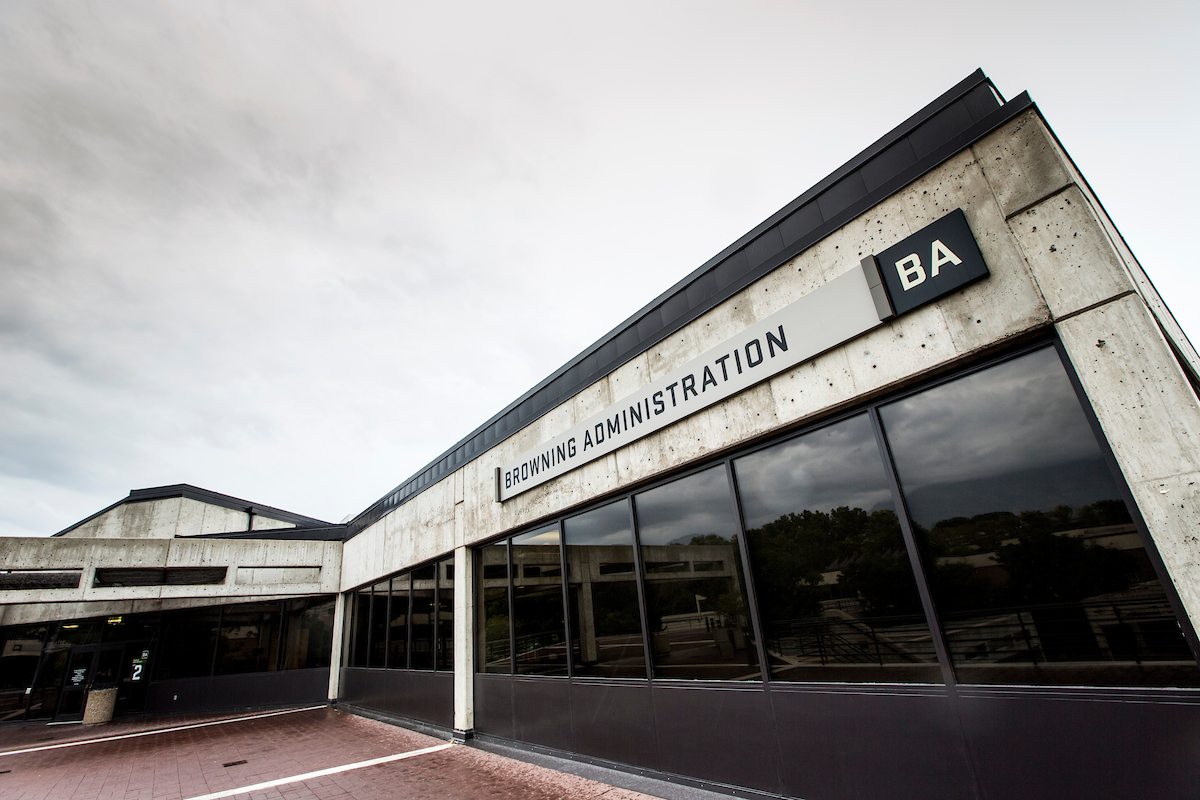
Let’s be real. Nobody actually wants to spend an entire semester sitting in a math class they already mastered in high school. It’s a waste of time. It’s a waste of money. At Utah Valley University, the UVU math placement test is basically the gatekeeper that decides whether you’re starting with Calculus or stuck relearning long division for four months. Most students walk into the testing center at the Wolverine Service Center totally blind, thinking their high school GPA will save them. It won't. UVU doesn't care if you got an A in Algebra II three years ago; they care about what you can prove right now on a computer screen.
Placement is everything. If you score too low, you’re looking at "remedial" courses like MAT 0920 or 0950. The kicker? Those classes don’t even count toward your graduation credits. You’re paying tuition for the privilege of catching up. On the flip side, a solid performance on the ALEKS PPL—which is the specific system UVU uses—can catapult you straight into MATH 1050 (College Algebra) or even higher. It’s the difference between graduating on time and adding an extra year to your degree just to clear the "QL" (Quantitative Literacy) requirement.
Why ALEKS PPL is Different (and Kinda Annoying)
UVU switched to the ALEKS PPL system a while back because it’s adaptive. This isn't your standard multiple-choice Scantron situation where you have a 25% chance of guessing right. It's open-response. You actually have to type in the answer. If you get a question right, the next one gets harder. If you miss a few, the system starts lobbing softballs at you to find your floor.
The UVU math placement test isn't just one single "go." When you pay the placement fee—usually around twenty bucks—you aren't just buying a test. You’re buying a subscription to a learning module. Most people miss this. They treat it like a one-and-done SAT. In reality, UVU gives you up to five attempts. But there’s a catch: you have to spend time in the ALEKS "Prep and Learning" module between takes. Honestly, this is the only way to actually improve your score. The system identifies exactly which holes you have in your math knowledge—maybe it’s logarithms or just weird fraction rules—and makes you drill them before you can retest.
The Score Breakdown You Actually Care About
You aren't looking for a letter grade. You’re looking for a cut score.
If you’re aiming for MATH 1050, which is the standard "I just want to get my math over with" class for most majors, you need a 46. That’s it. Just a 46 out of 100. It sounds low, but because it’s adaptive, it’s harder than it looks. If you’re a STEM major—think Engineering or Computer Science—you’re aiming for the stars. You need a 61 to hit Trigonometry (MATH 1060) and a 76 to skip straight into Calculus I (MATH 1210).
It’s worth noting that if you have high enough ACT or SAT scores, you might not even need the UVU math placement test. An ACT math score of 23 or higher generally gets you into MATH 1050. But if your scores are older than two years, they expire. UVU is strict about that. Two years and one day? Your ACT is useless for placement. You're back to the ALEKS.
Don't Just Wing It: The Prep Reality Check
Most people fail to place high because they’re rusty. It’s not that they aren’t smart; it’s that they haven’t looked at a quadratic equation since the Obama administration.
- First Attempt is a Baseline: Treat your first take as a practice run. You can do this one from home, usually. It’s unproctored. It tells the system where you’re at.
- The 3-Hour Rule: To unlock subsequent attempts, UVU often requires you to spend at least 3 to 5 hours in the online learning modules.
- Proctored Means Business: While the first one can be done on your couch, the score that actually counts for your registration usually has to be proctored. You either go to the physical testing center on the Orem campus or use an online proctoring service like Honorlock.
The Financial Impact of Shaving Off a Semester
Think about the math—the literal financial math. A 3-credit course at UVU for a Utah resident is roughly $600 to $700 once you factor in fees. If you place into a remedial class, you pay that money and get zero credits toward your degree. Then you have to pay it again for the 1000-level class. By spending ten hours practicing for the UVU math placement test, you are essentially earning yourself $70 an hour in saved tuition.
There’s also the "prerequisite chain" nightmare. At UVU, many upper-division courses in business or science are locked behind math. If you spend two semesters climbing out of the developmental math hole, you’re delaying your entire graduation timeline. It’s a bottleneck. Don't let a "sorta okay" understanding of algebra turn into a five-year degree.
Common Myths About UVU Math Placement
Some students think they can just use a graphing calculator to breeze through it. Nope. ALEKS provides an on-screen calculator only when the specific problem allows it. You can't bring your TI-84 into the proctored environment. You have to use their tools.
Others think they can "cheat" the unproctored initial assessment to get a higher starting point. This is a massive mistake. If you cheat on the baseline, the system thinks you’re a genius and assigns you insanely difficult learning modules. When you finally show up for the proctored exam and realize you can't actually do the work, you’ve wasted weeks of time. Be honest with the first take so the software can actually help you.
Taking Action: Your Next Steps
Stop procrastinating. The longer you wait after high school, the harder this test becomes. If you're a new student or a transfer who hasn't cleared your QL requirement, your priority list is actually pretty short.
First, log into your myUVU portal and check your test scores section. If you have an ACT score over 23 that is less than two years old, you’re golden—go register for MATH 1050. If not, go to the UVU Testing Services website and pay the ALEKS fee.
Second, take that first unproctored assessment immediately. Don't study for it. Just see where you land. Once you have that baseline score, look at the degree map for your major. If you need Calculus and you scored a 30, you know you’ve got work to do. Spend the next two weeks hitting those ALEKS modules for 30 minutes a night.
Finally, schedule your proctored exam at the Orem campus or through their virtual option at least a month before your registration date. Classes fill up fast. You don't want to finally get your qualifying score only to find out every section of MATH 1050 is waitlisted. Get the score, get the seat, and get out of the math department as fast as humanly possible.
Check your "Registration Readiness" dashboard in myUVU to see if a math hold is currently blocking you from adding classes. If it is, the ALEKS PPL is your only way out. Start the first assessment today so the adaptive system can begin building your custom study path. Use the "Prep and Learning" mode for a minimum of five hours if you’re trying to jump more than one course level. If you're testing on-campus, bring a current photo ID and your UVU ID number; they won't let you in the door without them.