You’re standing at the edge of a massive, 50-hour commitment. Listening to a Lord of the Rings audiobook isn't just a casual afternoon activity; it’s a marathon for your ears and your brain. Honestly, it’s intimidating. You have these legendary voice actors like Andy Serkis and Rob Inglis competing for your attention, and if you pick the wrong one, you’re stuck with a narrator who might irritate you by the time you hit the Mines of Moria.
Middle-earth is dense. It’s full of genealogies, singing—so much singing—and geographical descriptions that can make your head spin if you aren't paying close attention. Most people don't realize that the "best" version is totally subjective based on whether you want a theatrical performance or a steady, scholarly reading.
The Battle of the Narrators: Serkis vs. Inglis
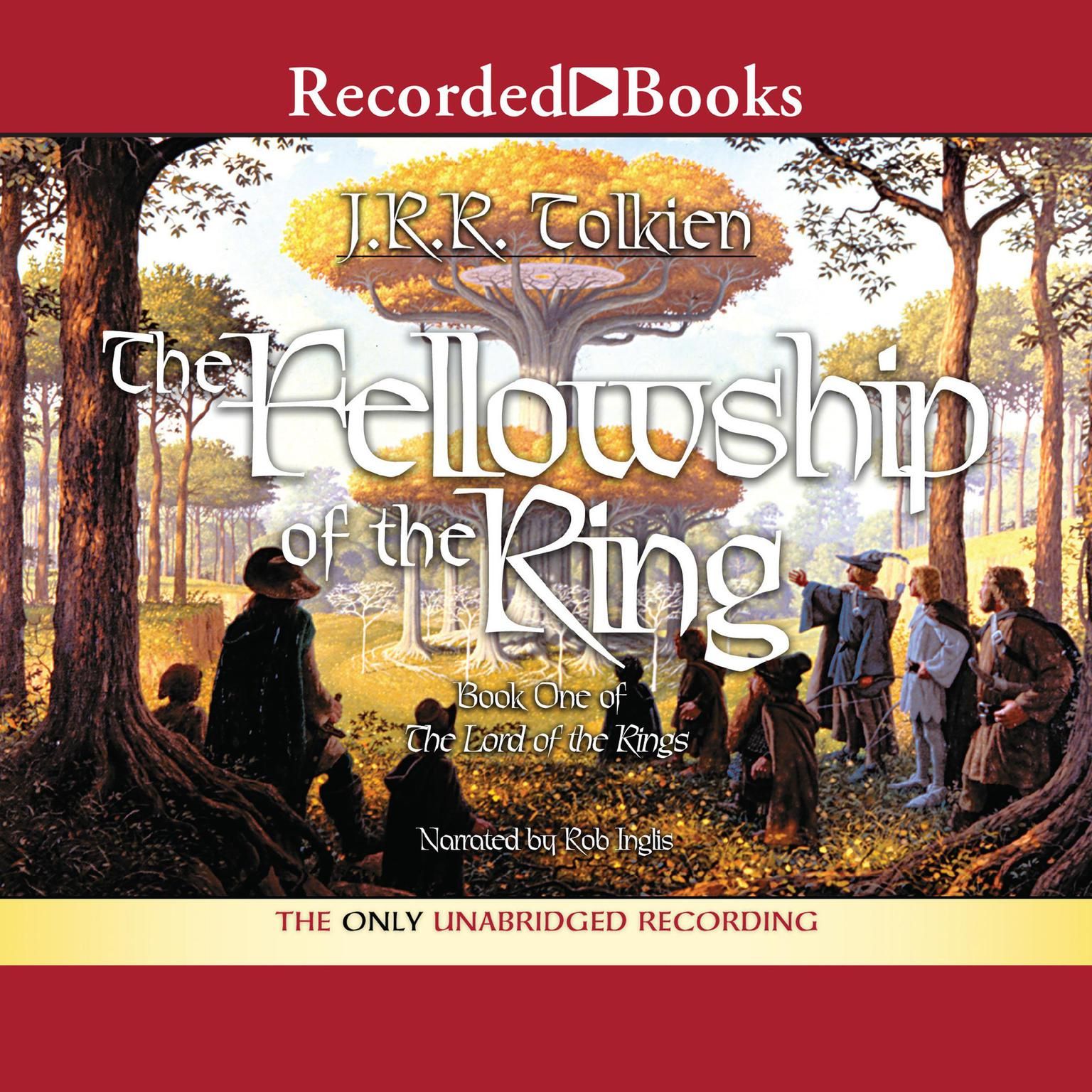
If you’ve looked into getting a Lord of the Rings audiobook lately, you’ve seen two names everywhere. First, there’s Rob Inglis. He recorded his version back in the 90s. It’s a classic. He’s got that "grandfather telling a bedtime story" vibe that feels very much in line with J.R.R. Tolkien’s own academic background. Inglis actually sings the songs. All of them. And he does it with a folk-style charm that makes you feel like you’re sitting in the Green Dragon Inn.
Then came 2021. Enter Andy Serkis.
Yeah, the guy who played Gollum in the movies. His version is basically a one-man radio play. He doesn’t just read the book; he attacks it. When he gets to the Gollum scenes, you’re getting the actual, Oscar-level performance right in your headphones. It’s intense. Some people find it a bit too much for a long drive because his energy stays at an eleven.
Why the Inglis Version Still Holds Up
Don't sleep on the old-school recording. Inglis is incredibly consistent. In a 1500-page story, consistency matters. You always know which character is speaking because his subtle shifts in tone are masterful without being distracting. It feels like a historical text being recited. If you’re the type of listener who uses audiobooks to relax or wind down before bed, the Serkis version might actually wake you up with a sudden orc scream. Inglis won't do that to you. He keeps the pace steady, like a slow walk through the Shire.
The Serkis Surge
Serkis brings a modern cinematic flair. He uses his range to give every dwarf a distinct, gravelly accent. His Boromir sounds like Sean Bean, which is a nice touch for fans of the Peter Jackson films. But be warned: the dynamic range is wide. You’ll be turning the volume up to hear a whisper and then diving for the controls when a Nazgûl shrieks.
The "Secret" Dramatized Versions
Most people forget about the 1981 BBC Radio Drama. It’s not technically an unabridged Lord of the Rings audiobook, but for a lot of fans, it’s the definitive way to hear the story. Ian Holm—who later played Bilbo in the movies—is the voice of Frodo here. It’s got a full cast, sound effects, and an original score.
It’s fast.
Because it’s a dramatization, they cut out a lot of the travelogue descriptions. If you find Tolkien's obsession with the "undulating hills" a bit tedious, this is your bypass. However, if you want the full experience, you’ve gotta go with the unabridged texts. There’s also the Phil Dragash "soundscape" version floating around the internet. It’s unofficial. It uses the movie soundtrack and immersive sound effects. While technically a copyright nightmare, many purists swear it's the most immersive way to experience the journey.
Dealing With the "Song Problem"
Let’s be real. Tolkien loved poetry.
The books are littered with verses that go on for pages. In a physical book, you might skim them. In an audiobook, you’re trapped. This is where your choice of narrator really changes the experience. Serkis tends to chant the poems or speak them rhythmically. Inglis actually composes melodies for them.
If you hate singing in your fantasy, you’re going to have a rough time regardless. But Serkis makes them feel more like dramatic monologues, which is usually easier for modern listeners to digest.
Technical Stats and What to Expect
The Fellowship of the Ring is roughly 19 to 22 hours long depending on the narrator.
The Two Towers sits around 16 to 18 hours.
The Return of the King wraps up in about 15 to 18 hours.
You’re looking at a total of 50 to 60 hours of audio. That’s a lot of credits on Audible or a very long waitlist at your local library via Libby.
- File Size: Expect about 1GB per book if you’re downloading in high quality.
- Narrator Pace: Serkis is slightly faster, but his pauses for dramatic effect balance it out.
- Availability: Both major versions are widely available on almost all digital platforms.
Is the Silmarillion Audiobook Necessary?
A lot of people think they need to listen to The Silmarillion before starting the main trilogy.
Don’t do that.
It’s like reading a dictionary before a novel. The Silmarillion narrated by Martin Shaw (or the newer Andy Serkis version) is beautiful, but it's dense. It’s a collection of myths. Save it for after you’ve finished the Lord of the Rings audiobook cycle. It’ll make way more sense once you have the emotional context of Frodo and Sam’s journey.
Which One Should You Buy?
It honestly comes down to one question: Do you want to be told a story, or do you want to live inside a movie?
If you want the "classic" feel, go with Rob Inglis. His performance is timeless and honors the prose without trying to overshadow it. It’s the version Tolkien’s estate originally championed for a reason.
If you want a "performance," go with Andy Serkis. It’s visceral. It’s gritty. It feels like a high-budget production. If you’re a fan of the movies, the transition to the Serkis audiobooks is almost seamless.
Next Steps for the Listener:
- Sample both: Go to Audible or YouTube and listen to the first five minutes of "A Long-expected Party" by both Inglis and Serkis. The difference in energy is immediate.
- Check your library: Use the Libby or Hoopla apps. These audiobooks are expensive, and libraries almost always have the Inglis versions available for free.
- Start with The Hobbit: If you aren't sure about the 60-hour commitment, grab the Serkis-narrated version of The Hobbit. It’s a shorter, self-contained story that serves as a perfect litmus test for his style.
- Adjust playback speed: Tolkien’s prose is dense. If you find your mind wandering, try bumping the speed to 1.1x or 1.2x. It often helps keep the momentum through the longer descriptive passages.
Choosing your Lord of the Rings audiobook is the first step of the journey. Whether you want the cozy, melodic tones of the 90s or the raspy, cinematic intensity of the 2020s, the story remains one of the greatest ever told. Just make sure you’re ready for a lot of walking.