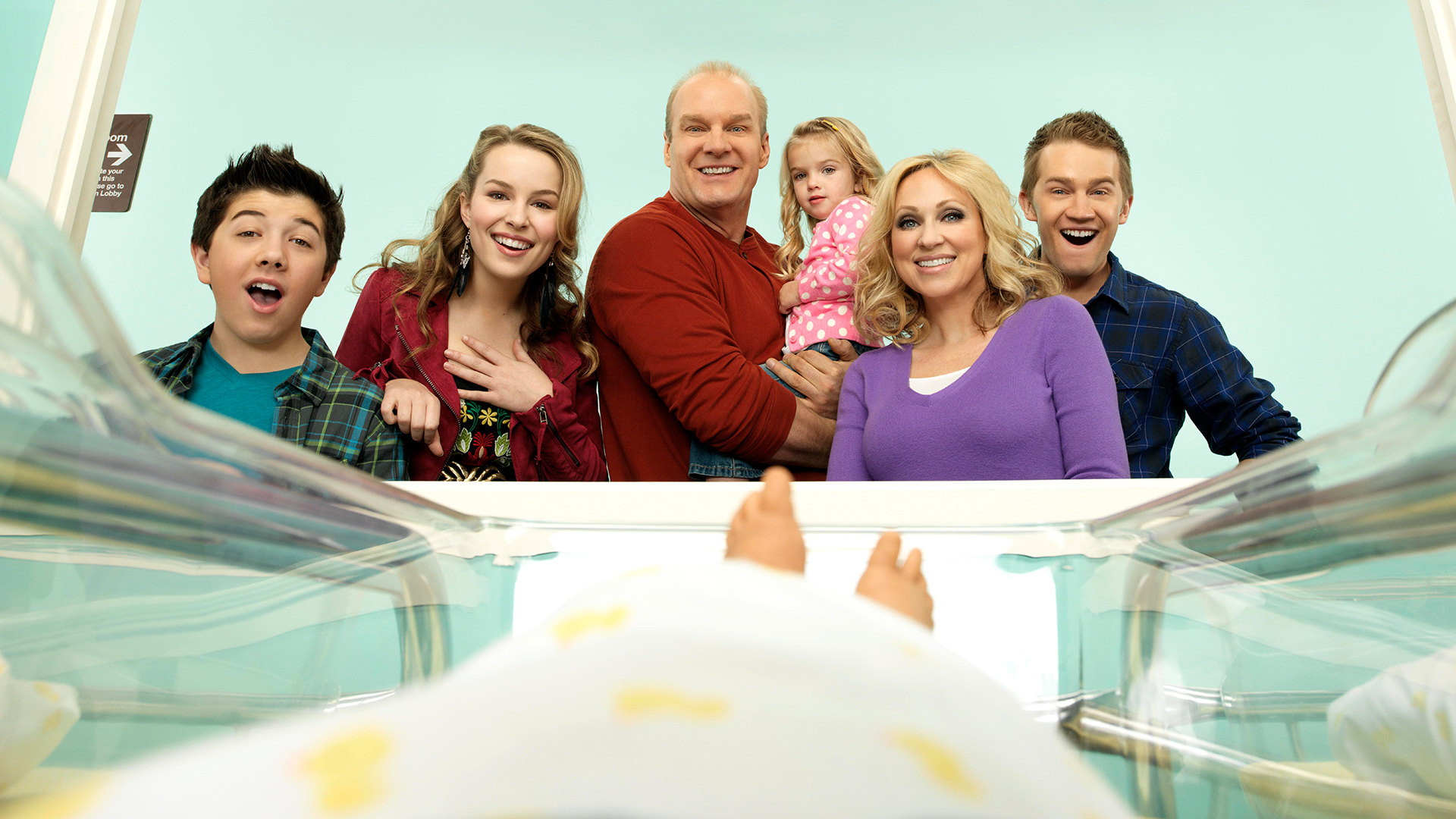
Disney Channel was weird in 2010. We were transitioning out of the high-energy, neon-soaked era of Hannah Montana and Wizards of Waverly Place. Everything was loud. Everything was about being a pop star or having literal magical powers. Then, this show about a middle-class family in Denver showed up. No wands. No secret identities. Just a basement that smelled like termites and a baby that wouldn't stop crying. Good Luck Charlie didn't just break the mold; it ignored the mold entirely. It focused on the messy, cramped reality of a family suddenly outnumbered by their children. Honestly, it was the last time a Disney sitcom felt like it was written for actual human beings.
The premise was simple. Teddy Duncan, played by Bridget Mendler, starts a video diary for her baby sister, Charlie. The goal? To help Charlie navigate their "special" family once Teddy has grown up and moved out. It’s a bittersweet hook. It acknowledges that time moves on. While other shows were busy with slapstick, Good Luck Charlie was quietly documenting the chaos of a six-person (eventually seven-person) household where the parents were actually exhausted and the kids weren't always best friends.
The Duncan Family Dynamic Was Stressful (In a Good Way)
Most TV families are fake. They live in massive houses they can't afford and solve world-ending problems in twenty-two minutes. The Duncans? They felt poor. Or at least, "Disney poor," which meant the house was always cluttered and Bob Duncan was constantly worried about his pest control business. Bob wasn't the typical bumbling sitcom dad who didn't know how to change a diaper. He was a guy who liked his recliner but worked hard. And Amy Duncan? Leigh-Allyn Baker turned that character into a legend. She was narcissistic, sure, but in a way that felt like a mom who just really wanted her "glory days" back while simultaneously being the glue holding the house together.
Think about the bedroom situation. PJ and Gabe sharing a room wasn't just a plot device; it was a source of constant friction. Gabe Duncan, played by Bradley Steven Perry, was perhaps the most realistic younger brother in TV history. He wasn't "cute." He was a menace. He spent half his time trying to scam the neighbors and the other half trying to avoid his parents. He was the audience surrogate for every kid who felt overlooked when a new baby arrived.
Then you have Teddy. She was the overachiever. But unlike other "perfect" Disney protagonists, Teddy failed. A lot. She got her heart broken by Spencer—multiple times, if we’re being honest. She stressed about grades. She got annoyed with her mom. Mendler brought a grounded, theater-kid energy to the role that made the video diaries feel intimate rather than gimmicky. When she looked into that camera and said, "Good luck, Charlie," it wasn't just a catchphrase. It was a warning.
Why the 2014 Series Finale Still Stings
Ending a sitcom is hard. Ending a kid's show without it being incredibly cheesy is nearly impossible. But Good Luck Charlie nailed it because it stayed true to its original conceit. The final episode, "Goodbye Charlie," wasn't about some massive life change for everyone. It was about Teddy finally leaving for college. The video diary came to an end because the mission was complete.
The show ran for 97 episodes and a movie. It didn't overstay its welcome. By the time it ended, we had seen the birth of a fifth child, Toby. We saw the house literally burn down and get rebuilt. We saw the "multi-cam" sitcom format pushed to its limits with physical comedy that actually landed. The show's legacy, however, isn't just about the laughs. It’s about the fact that it was the first Disney Channel show to feature a same-sex couple. In the 2014 episode "Down a Tree," the Duncans set up a playdate for Charlie with a friend who has two moms. It was a massive deal at the time. It drew praise from people like Miley Cyrus and, predictably, some backlash from conservative groups. But Disney stood by it. It was a moment of quiet progress in a show that always prioritized "real life" over "TV life."
The Science of the "Relatable Sitcom"
There is a reason why you can still find clips of this show trending on TikTok or Reels today. It’s the "comfort watch" factor. Psychologically, shows like Good Luck Charlie provide what researchers call "parasocial stability." Because the Duncans didn't live a glamorous life, viewers projected their own family dynamics onto them.
- The Sibling Rivalry: PJ and Gabe’s constant bickering felt earned.
- The Parental Stress: Bob and Amy’s exhaustion after work was a real-world touchstone.
- The Transition: Teddy’s journey from a high schooler to a college-bound adult mirrored the aging of the show's core demographic.
It’s also worth noting the career trajectories of the cast. Bridget Mendler basically became a real-life genius, pursuing a PhD at MIT and becoming the CEO of a space startup, Northwood Space. It’s the most "Teddy Duncan" thing that could have possibly happened. It adds a layer of authenticity to the character in retrospect. Teddy wasn't just written as smart; the person playing her actually was.
The "Good Luck Charlie" Movie: A Rare Success
Most Disney Channel Original Movies (DCOMs) based on shows are pretty bad. They usually involve the family going on a vacation where something "crazy" happens. Good Luck Charlie, It's Christmas! followed the formula, but it worked because it focused on the relationship between Amy and Teddy. Getting stranded in the middle of nowhere and having to hitchhike to Palm Springs showcased the comedic timing of Baker and Mendler. It’s one of the few DCOMs that people actually rewatch every December. It didn't feel like a filler episode stretched to ninety minutes. It felt like a road trip movie that happened to have the Duncans in it.
The Enduring Appeal of the Duncan House
If you look at the set design, the Duncan house was tiny. The kitchen was always full of people. The stairs were central to the action because someone was always running up or down them to escape a conversation. This "claustrophobic" staging forced the actors to play off each other physically. You don't see that as much in modern streaming shows, which often feel "floaty" or too polished.
The show also handled the aging of the child actors better than most. Mia Talerico, who played Charlie, literally grew up on screen. We saw her go from a toddler who could barely speak to a kid with a full-blown personality. Unlike Full House, where the twins were used for catchphrases, Charlie felt like a real kid who was just... there. She was often the observer of the madness, which made the video diaries even more poignant. She was the one who would eventually watch these tapes to understand why her parents were the way they were.
How to Revisit the Series Today
If you're looking to dive back into the world of the Duncans, don't just start from episode one and binge-watch. The show evolved significantly after the first season.
- Watch the "Special" Episodes First: Start with "Snow Show." It’s a two-parter that captures the peak Duncan chaos.
- The Amy Duncan Highlights: Find any episode where Amy tries to get back into show business. Her "pagent mom" energy is top-tier comedy.
- The Spencer Arc: If you want the emotional core, watch the episodes detailing Teddy and Spencer’s breakup and eventual reconciliation. It's surprisingly mature for a kid's show.
- The Finale: Save "Goodbye Charlie" for a rainy day. It hits harder than you remember.
Good Luck Charlie was a fluke. It was a grounded, character-driven show that aired during an era of high-concept gimmicks. It didn't need a secret identity or a talking dog. It just needed a video camera and a family that actually liked each other, even when they were driving each other crazy. That’s why it’s still the gold standard for what a family sitcom can be. It wasn't trying to teach you a moral lesson every week. It was just trying to help you survive the day.
Actionable Insights for Fans and Creators:
- Study the Dialogue: If you're a writer, look at how the Duncans talk over each other. It’s a masterclass in realistic family banter.
- Embrace the Mess: The show's success came from its willingness to let the characters be annoying, selfish, and tired. Perfection is boring.
- Check Out the Cast's Current Work: Following Bridget Mendler’s journey into tech and academia is a fascinating look at life after child stardom.
- Rewatch on Disney+: The entire series is available, and it holds up surprisingly well in 4K. Pay attention to the background details in the house—there are often hidden jokes or recurring props that make the world feel lived-in.