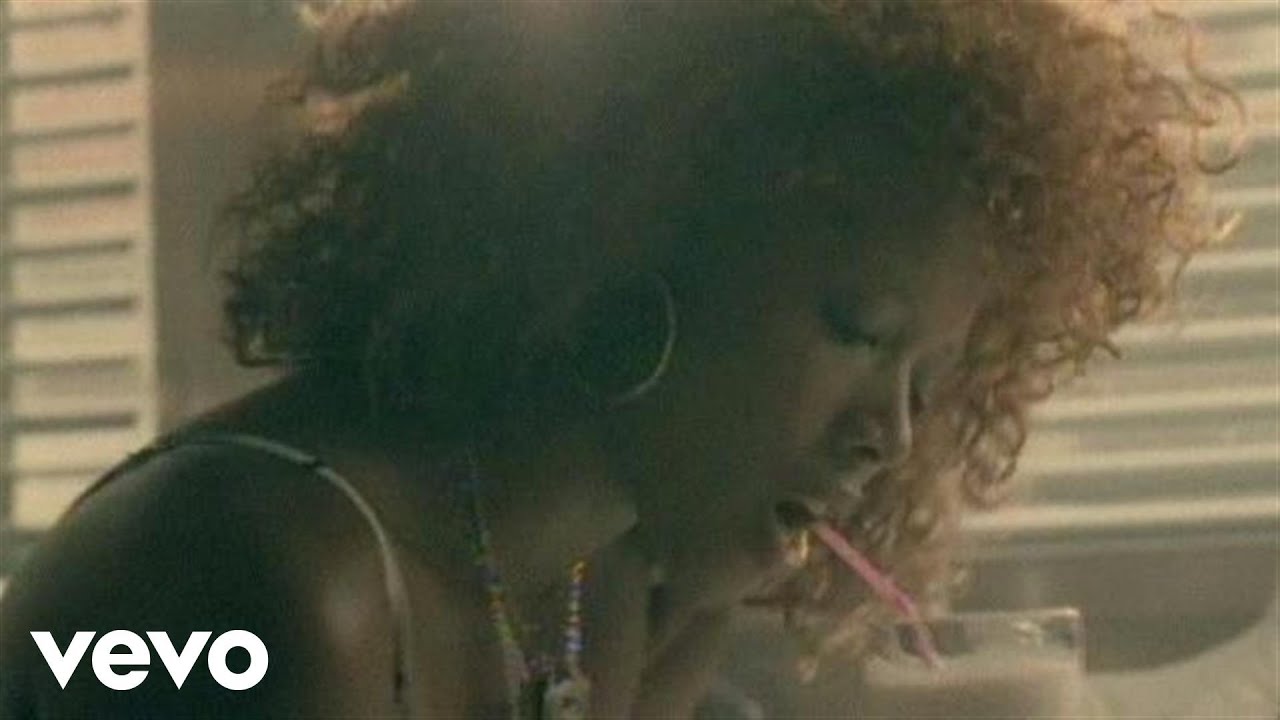
It started with a thumping, minimalist beat. Then came that bells-and-whistles hook. Kelis didn’t just release a song in 2003; she dropped a linguistic nuke that permanently altered how we talk about attraction and confidence. Honestly, if you were around when "Milkshake" first hit the airwaves, you remember the sheer confusion and immediate obsession it sparked. People weren't just dancing; they were arguing over what a milkshake actually was.
The song is a masterclass in suggestive simplicity. Produced by The Neptunes—Pharrell Williams and Chad Hugo—it arrived at a time when R&B was experimenting with weird, metallic sounds. It felt alien. It felt cool. But mostly, it felt like something that would be quoted for the next two decades.
The Secret Sauce of "My Milkshake Brings All the Boys to the Yard"
Kelis wasn’t the first person to use food metaphors for desire, but she was the most effective. The phrase my milkshake brings all the boys to the yard became an overnight shorthand for "that certain something" that makes a person irresistible. It’s about "it" factor. It’s about the "je ne sais quoi."
Interestingly, Kelis has been on the record multiple times explaining that the "milkshake" isn't necessarily something physical or sexual. In a 2004 interview with the Associated Press, she famously said, "A milkshake is the thing that makes women special. It’s what gives us our confidence and what makes us exciting." It is an aura. It’s an energy. It’s the way you carry yourself.
But let’s be real for a second. The Neptunes weren't just making a song about confidence. They were making a club banger. The heavy percussion and that signature "triangle" hit created a rhythm that was impossible to ignore. It was sparse. It was loud. It was perfect.
The Power of the Hook
The song’s structure is fascinatingly repetitive yet never boring. The hook—"My milkshake brings all the boys to the yard / And they're like, it's better than yours"—functions like a playground chant. It’s catchy because it feels familiar, almost like a nursery rhyme for adults. This is a common trope in early 2000s hip-hop and R&B, where simplicity often beat out complex lyricism for chart dominance.
You’ve probably noticed how the song has moved through different phases of relevance. It wasn't just a 2003 hit. It became a meme before we even really used the word "meme" in the way we do now. It appeared in Mean Girls. It showed up in Family Guy. It was even used in a viral scene in the movie Dodgeball. It became a cultural touchstone that surpassed the artist herself.
Why the Song Stayed Relevant
Why do we still care? Why is "my milkshake brings all the boys to the yard" still a viable search term in 2026?
It’s the versatility. The lyrics are vague enough to be applied to almost anything. Whether it’s a literal milkshake shop using it for marketing or a TikTok creator using the audio for a comedic transition, the song fits. It’s an anthem for self-assurance.
- The Pharrell Effect: At the time, Pharrell and Chad Hugo were untouchable. They were crafting the sound of the decade, working with everyone from Britney Spears to Snoop Dogg. This song was the pinnacle of their "less is more" philosophy.
- The Visuals: The music video, directed by Jake Nava, featured a gritty, stylized diner aesthetic that cemented Kelis as a fashion icon. The "Milkshake" diner wasn't just a set; it was a vibe.
Kelis herself has had a complicated relationship with the track. She’s been vocal about the lack of royalties she received from the song’s success, highlighting a major issue in the music industry regarding creator rights and production deals. In recent years, specifically around the time Beyonce sampled her on Renaissance (which led to a heated public dispute), the conversation around "Milkshake" shifted from just the music to the business of the music.
The Cultural Weight of the "Yard"
What is the yard? Is it a literal yard? Probably not. In the context of the song, the "yard" represents public attention. It’s the space where you are seen and admired.
When you look at the chart performance, "Milkshake" peaked at number three on the Billboard Hot 100. It was Kelis's biggest hit in the United States, and it earned a Grammy nomination for Best Urban/Alternative Performance. But its legacy isn't found in the trophies; it's found in the vernacular.
Think about how many times you’ve heard someone say "I could teach you, but I'd have to charge." That’s a direct quote from the song that has transitioned into everyday slang. It’s a way of saying "I have a skill you want, and it’s valuable."
A Shift in Sound
Before "Milkshake," Kelis was known for the raw, screaming energy of "Caught Out There." That was her "I hate you so much right now" era. "Milkshake" was a pivot. It was smoother, more controlled, and infinitely more commercial.
This shift showed her range as an artist. She wasn't just the angry girl with the colorful hair; she was a pop powerhouse who could command the charts. The song proved that R&B could be weird and still sell millions of copies. It paved the way for the eccentricities of artists like Janelle Monáe or even Rihanna’s later, more experimental work.
Actionable Takeaways for Music Fans and Creators
If you’re a creator or just someone fascinated by how hits are made, there are real lessons to be learned from the "Milkshake" phenomenon.
Focus on the Hook first. A great hook is a sentence that can live without the music. If your core message—whether it’s a song lyric or a brand slogan—isn't "sticky" enough to be repeated in a conversation, it won't last. The simplicity of the "yard" and the "milkshake" is what allowed it to permeate the culture.
Embrace the "Weird" Sounds. The Neptunes used a percussion-heavy, almost industrial sound for a pop track. It shouldn't have worked, but it did because it stood out from the over-produced, glossy pop of the era. If you’re making something, don't be afraid to leave some rough edges.
Understand Your Value. Kelis’s later struggles with the rights to her music serve as a massive warning for any artist. Always ensure you understand the "work-for-hire" clauses in your contracts. Success is great, but ownership is better.
Watch the Trends. The song’s resurgence on social media platforms shows that "vintage" hits are never truly dead. They just wait for a new generation to find a new way to use them. For a track that is over two decades old, it still feels remarkably fresh because the sentiment—unapologetic confidence—never goes out of style.
To truly appreciate the impact of "my milkshake brings all the boys to the yard," you have to look at it as more than just a song. It’s a blueprint for viral success. It combined a unique sound, a cryptic but catchy metaphor, and a charismatic performer to create a moment that hasn't ended. Whether you're listening to it for the nostalgia or discovering it for the first time on a throwback playlist, its place in the pantheon of pop culture is undeniable.
The next step for any fan is to explore the rest of the Tasty album. While "Milkshake" was the giant, tracks like "Trick Me" offer a deeper look into Kelis’s versatility and the experimental R&B landscape of the early 2000s. Understanding the context of the album provides a much clearer picture of why this specific song was the one that broke through the noise.