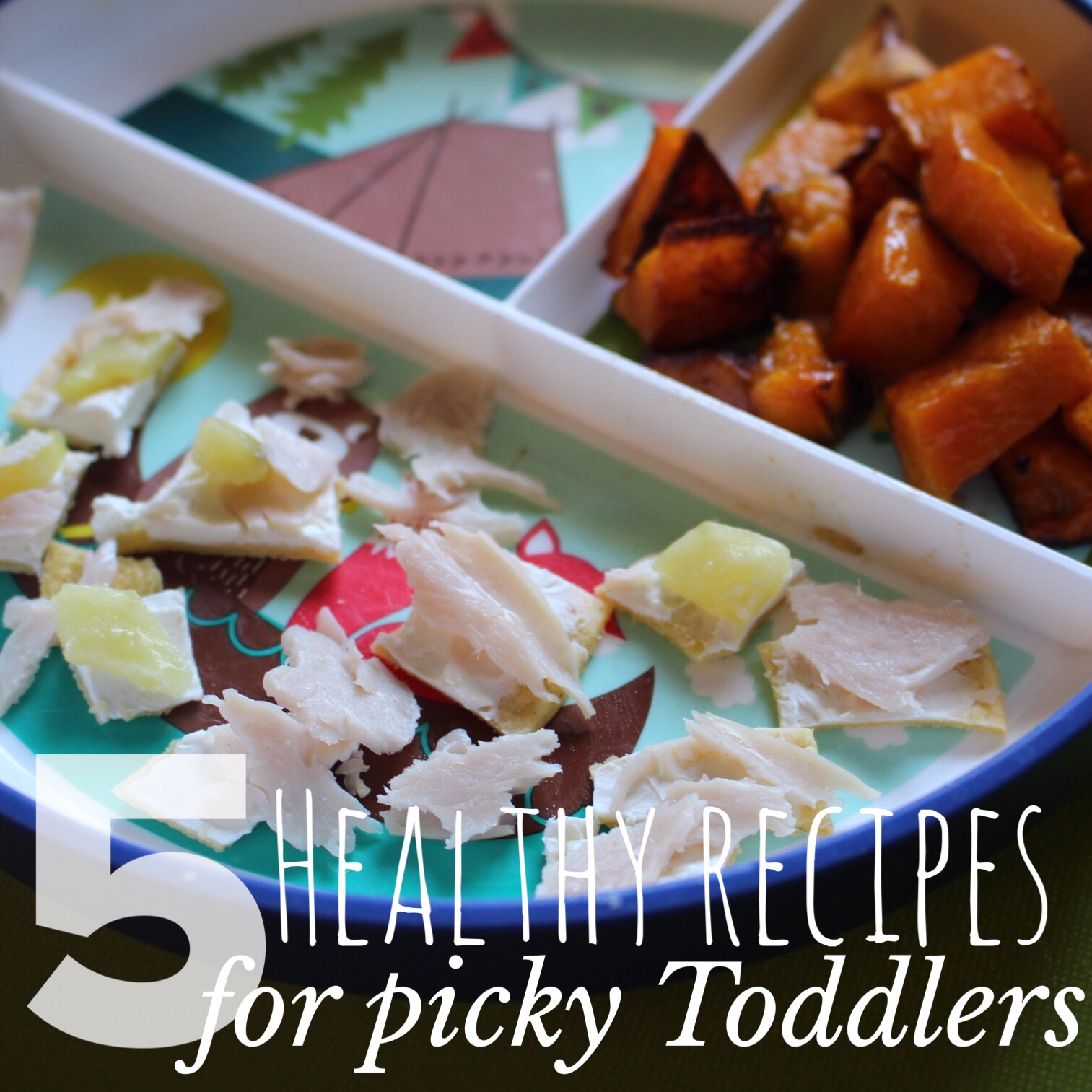
It happens every single night in millions of kitchens. You spend forty-five minutes sweating over a pan of organic, locally sourced, dinosaur-shaped zucchini fritters, only for your two-year-old to look at it like you’ve just served them a plate of radioactive waste. They scream. You sigh. The dog eventually eats the fritters. We’ve been told that recipes for picky toddlers need to be "fun" or "hidden," but honestly, most of that advice is just setting us up for a power struggle that parents are destined to lose.
Feeding a human who thinks a microscopic speck of black pepper is a personal insult is exhausting. It’s not just about the food. It’s about the psychology of neophobia—the literal fear of new things—which peaks between ages two and six. If you’re stuck in the "nugget cycle," you aren't a bad parent. You’re just dealing with a tiny, irrational boss who has the taste buds of a super-taster and the stubbornness of a mule.
The Science of Why They Won't Eat Your "Hidden Veggie" Mac
Most recipes for picky toddlers focus on deception. You know the drill: pureeing spinach into brownies or cauliflower into mashed potatoes. While this gets nutrients into their system in the short term, it does absolutely nothing to solve the underlying pickiness. In fact, it can backfire. If your kid catches you "poisoning" their favorite food with a green smoothie, you’ve just lost the most valuable currency in feeding: trust.
Dr. Katja Rowell, a childhood feeding specialist and author of Helping Your Child with Extreme Picky Eating, often argues that the pressure to eat is the biggest appetite killer. When we hide foods, we aren't teaching them to like vegetables; we're teaching them that vegetables are something to be feared and concealed.
Toddlers have a survival instinct that dates back to the Pleistocene era. If it’s bitter, it might be toxic. If it’s a weird texture, it might be rotten. Beige food (crackers, bread, pasta) is safe. It’s consistent. A Ritz cracker tastes the same in Maine as it does in California. A strawberry, however, can be sweet, sour, mushy, or crunchy. That variability is terrifying to a toddler.
Forget "Kid Food" and Try These Deconstructed Dinners
One of the most effective recipes for picky toddlers isn't a recipe at all. It’s a method called "deconstruction." Instead of making a complex chicken stir-fry where everything is touching, you serve the components side-by-side.
Imagine a "Taco Night" that looks like a crime scene investigation. You put out a bowl of plain ground beef, a pile of shredded cheese, some plain tortillas, and maybe some avocado slices. You don’t assemble it. You don't force the lettuce. By giving them autonomy, you lower their cortisol levels. When they aren't stressed, they are much more likely to actually put something in their mouth.
- The "Safe Plate" Strategy: Always include one food you know they will eat, even if it’s just a slice of white bread. This acts as an anchor. It tells their brain, "I will not starve at this meal."
- The Power of Tiny: Large portions are overwhelming. Serve a single pea. One singular noodle. It’s less intimidating to "try" a microscopic amount than a full bowl.
Simple Recipes for Picky Toddlers That Actually Stick
If you want actual meals that bridge the gap between "beige" and "balanced," you have to play the long game. We’re looking for high-calorie, low-stress wins.
The "Better" Breaded Chicken
Store-bought nuggets are fine, seriously. Don't beat yourself up. But if you want to expand their palate, try "panko-crusted" strips. Use panko because the crunch is louder and more consistent than standard breadcrumbs.
- Cut chicken breast into thin strips (consistency is key).
- Dip in flour, then whisked egg, then panko mixed with a tiny bit of parmesan.
- Bake or air fry until very crisp.
- Serve with a "dip" they love. Ketchup is a valid vegetable in this house.
The Breakfast Power Pancake
Instead of hiding kale in a pancake, use cottage cheese. It sounds weird, but it blends into a high-protein, neutral-tasting batter that mimics the texture of a standard flapjack.
- 1/2 cup oats
- 1/2 cup cottage cheese
- 2 eggs
- A splash of vanilla
Blend it until smooth. It tastes like a dense, slightly tangy pancake. Most kids won't blink twice because it stays in the "safe" yellow-tan color spectrum.
The Exposure Myth: It Takes More Than Ten Times
You've probably heard that it takes ten exposures for a kid to like a new food. Honestly? That’s an underestimate for the truly stubborn ones. For some kids, it takes thirty or fifty times. And "exposure" doesn't mean eating.
Exposure is seeing the food on your plate. It’s helping you wash the carrots in the sink. It’s poking a piece of broccoli with a fork and then putting it back. In the world of recipes for picky toddlers, success isn't a clean plate. Success is your child not having a meltdown because a piece of asparagus is within a three-mile radius of their chicken.
Stop Being a Short-Order Cook
This is the hardest part. You make a meal, they reject it, and you immediately run to the pantry to grab a yogurt tube because you’re terrified they’ll wake up at 2:00 AM screaming for food. We’ve all been there.
The "Division of Responsibility" framework, developed by Ellyn Satter, is the gold standard here. The parent is responsible for what, when, and where the food is served. The child is responsible for how much and whether they eat.
If you provide a balanced meal with at least one "safe" food, you have done your job. If they choose only to eat the safe food, that’s okay. They won't starve. They might be a bit grumpy, but they will learn that the kitchen isn't a restaurant with an infinite menu.
Flavor Bridges and Sensory Transitions
If your kid loves french fries, don't jump straight to steamed kale. That’s a bridge too far. Try roasted potatoes. Then try roasted sweet potatoes. Then maybe roasted carrots. You’re looking for "flavor bridges"—small, incremental steps that move from a preferred food to a new one while keeping the texture or cooking method similar.
Crunch is usually the preferred texture for picky eaters because it’s predictable. Soft, "slimy," or "mushy" foods (like cooked spinach or tomatoes) are often the biggest hurdles. If you’re introducing a new vegetable, try roasting it at high heat until it’s basically a chip.
Actionable Steps for Your Next Meal
- Change the Scenery: Sometimes a toddler will eat a "scary" food if it’s served on a toothpick or while sitting on a picnic blanket on the living room floor. Novelty can sometimes override the fear of the food itself.
- Neutral Language: Stop saying "This is so yummy!" or "Just one more bite for Mommy." Use objective words. "This cracker is crunchy." "This orange is wet." Take the emotion out of the meal.
- Involve the "Enemy": Let them help shop. Let them pick the biggest red apple or the weirdest looking squash. Familiarity breeds comfort.
- The "No-Thank-You" Bowl: Give them a dedicated bowl where they can put food they don't want. This gives them a "safe exit" for the food rather than throwing it on the floor or screaming.
Ultimately, recipes for picky toddlers are less about the ingredients and more about the environment. If you can lower the heat—both on the stove and in your own stress levels—you might find that they eventually surprise you. It might take six months. It might take two years. But eventually, the "beige phase" ends. Until then, keep the panko handy and the "safe" bread on the table.