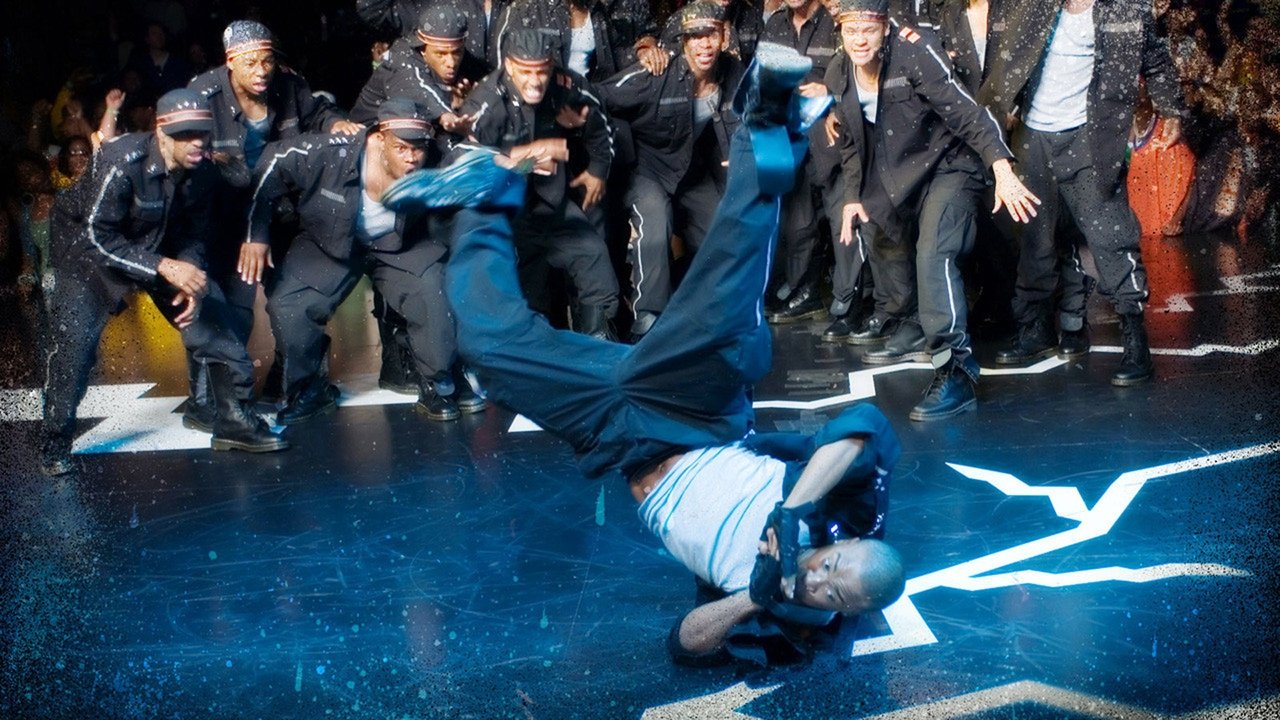
You remember the first time you saw that opening battle? The sweat, the raw aggression, and that tragedy that sets the whole thing in motion? It’s been nearly twenty years since Stomp the Yard hit theaters in 2007, and honestly, we haven’t seen a dance or step movie capture that specific lightning in a bottle since. It wasn't just about the choreography, though Dave Scott’s work there was legendary. It was about the cast of Stomp the Yard and how they represented a very specific, very real slice of HBCU (Historically Black Colleges and Universities) culture that Hollywood usually ignores.
Looking back, the lineup is kind of insane. You had R&B superstars at the height of their powers, future Oscar nominees, and professional dancers who became the blueprint for a generation of steppers.
The Lead Who Wasn't Just a Dancer
Columbus Short played DJ Williams. Before this, you might’ve caught him as a backup dancer for Britney Spears or in You Got Served, but this was his moment. He had this specific kind of chip on his shoulder that felt authentic. He wasn't just "the guy who can dance"; he was a kid carrying the grief of his brother’s death, trying to navigate the rigid, legacy-heavy world of Truth University.
Short’s performance grounded the movie. If he didn’t sell the transition from street dancing to the discipline of stepping, the whole plot would’ve felt like a cheap gimmick. He actually trained for months to get the "Gamma" style right, which is way more physically demanding than people realize. It’s not just moving your feet. It’s percussion with your body.
Meagan Good and the Stakes of Truth University
Then there’s Meagan Good. She played April Palmer. By 2007, she was already a veteran in the industry, but here she played the bridge between the old guard and the new. Her character was the daughter of the Dean, stuck in a relationship with the "perfect" fraternity guy, Grant.
Good brought a level of sophistication that balanced the high-energy testosterone of the step battles. She wasn't just a trophy for the protagonist; she represented the actual pressure students feel at prestigious HBCUs to maintain a certain image. Her chemistry with Short felt earned, mostly because they both played characters who felt like they were suffocating under different types of expectations.
The Rivalry: Darian Harris and the Gamma Power
Darian Harris, played by Brian White, was the antagonist we all loved to hate. He was the quintessential "legacy" frat brother.
White was perfect for this because he actually had that athletic build and the "Theta Nu Theta" arrogance down to a science. His character represented the tradition of the fraternity—the idea that you don’t just show up and change the rules because you’re talented. You earn your place. When you watch the cast of Stomp the Yard perform, the tension between White and Short is what drives the middle act. It wasn't just about who was better at stepping; it was a clash of philosophies. Street vs. Structure.
The Musicians Who Could Actually Act
Usually, when you throw singers into a movie, it’s a marketing ploy. It’s messy. But in this case? It worked.
Ne-Yo played Rich Brown, DJ’s roommate. This was Ne-Yo’s film debut, and he was surprisingly natural. He wasn't trying to be "Ne-Yo the R&B Star." He was just the supportive, slightly nerdy friend who helped DJ find his footing. He provided the emotional levity the movie desperately needed after that heavy opening scene.
And we have to talk about Chris Brown.
His role was short. Like, really short. He played Duron, DJ’s brother, and (spoiler for a 17-year-old movie) he dies in the first ten minutes. But those ten minutes are crucial. The krumping battle at the start showed exactly why Chris Brown was the biggest thing in entertainment at the time. His athleticism was terrifying. His presence was so strong that his death actually felt like a loss for the audience, not just a plot point to move DJ to Georgia.
The Supporting Players You Forgot Were There
The depth of the cast of Stomp the Yard goes way beyond the leads.
- Laz Alonso: He played Zeke. You know him now from The Boys or Fast & Furious, but back then, he was the seasoned fraternity brother trying to keep the peace.
- Valarie Pettiford: Playing Aunt Jackie, she brought that maternal weight.
- Harry Lennix: As Nathan Palmer. Lennix has one of those voices that demands respect, and as the Dean, he represented the "Old Guard" of the HBCU system.
There’s a specific scene where the elders are watching the Greeks perform, and the look on Lennix’s face tells you everything you need to know about the generational divide in Black academia. It’s those small details that make the movie hold up.
Why the Stepping Looked So Real
The reason this movie didn't look like a Disney Channel original is that they used real steppers. The production brought in members of actual Divine Nine fraternities and sororities to consult.
Stepping isn't just dance. It’s a rhythmic, percussive art form rooted in African dance and military drills. The cast of Stomp the Yard had to learn the history of the movements. They had to learn how to "bark." They had to understand that the "Alpha" or "Kappa" or "Omega" style movements (even though the movie used fictional names like Theta Nu Theta and Gamma Gamma Rho) had specific cultural meanings.
The final battle in the underground arena? That wasn't just CGI or clever editing. Those were long takes of grueling physical performance.
The Cultural Impact and the "Discover" Factor
Why does Google still surface this movie? Why does it pop up in your feed?
Because it’s a time capsule. It caught the tail end of the "Dance Movie Era" but gave it more weight than Step Up or Honey. It dealt with socioeconomic status within the Black community—DJ coming from a rougher part of LA to a refined, wealthy campus in Atlanta.
It also launched careers. Look at where the cast is now. Laz Alonso is a household name in prestige TV. Meagan Good is still a leading lady. Columbus Short had a massive run on Scandal.
What the Movie Got Right (and Wrong) About HBCUs
If you ask any Alum of a school like Morehouse or Howard, they’ll tell you Stomp the Yard took some creative liberties. The "Step Gallery" and the intense, almost gladiatorial nature of the rivalries were definitely dialed up for Hollywood.
But the feeling? The feeling of the yard during Homecoming? The pride of wearing those letters? The movie nailed that. It captured the "Step Show" as a high-stakes event. In many ways, the cast of Stomp the Yard acted as ambassadors for a culture that many people outside of the South or the Black community had never seen before.
Legacy and the 2026 Perspective
In 2026, we see the influence of this film everywhere. From Beyoncé’s Homecoming Coachella performance to the way stepping is integrated into modern pop choreography, the DNA of Stomp the Yard is present.
It wasn't a perfect film. Some of the dialogue is definitely "of its time." The "fish out of water" tropes are a bit heavy-handed. But the talent on screen was undeniable. It remains the gold standard for how to film percussive dance.
Actionable Takeaways for Fans and Creators
If you’re looking to revisit the film or if you’re a creator looking at why this worked, here are a few things to note:
- Watch the credits: The behind-the-scenes footage shows the actual rehearsals. If you want to see the physical toll the cast of Stomp the Yard took, start there. It wasn't "acting" when they looked exhausted.
- Research the Divine Nine: If you want to understand the real history behind the movie, look into the National Pan-Hellenic Council. The movie uses fictional names to avoid legal issues with real fraternities, but the traditions are very much real.
- Check out the soundtrack: It’s a masterclass in 2000s R&B and Hip-Hop, featuring everyone from E-40 to Public Enemy. It’s arguably one of the best-curated soundtracks of that decade.
- Support HBCU cinema: Movies like this, School Daze, and Drumline form a specific trilogy of Black collegiate life. If you liked the cast here, you'll see many of the same archetypes and themes in those films.
The movie ends with DJ finally finding his place, not by abandoning his roots, but by integrating them into the tradition of his new home. It’s a simple message, but delivered through some of the best choreography ever put to film, it’s why we’re still talking about it today.