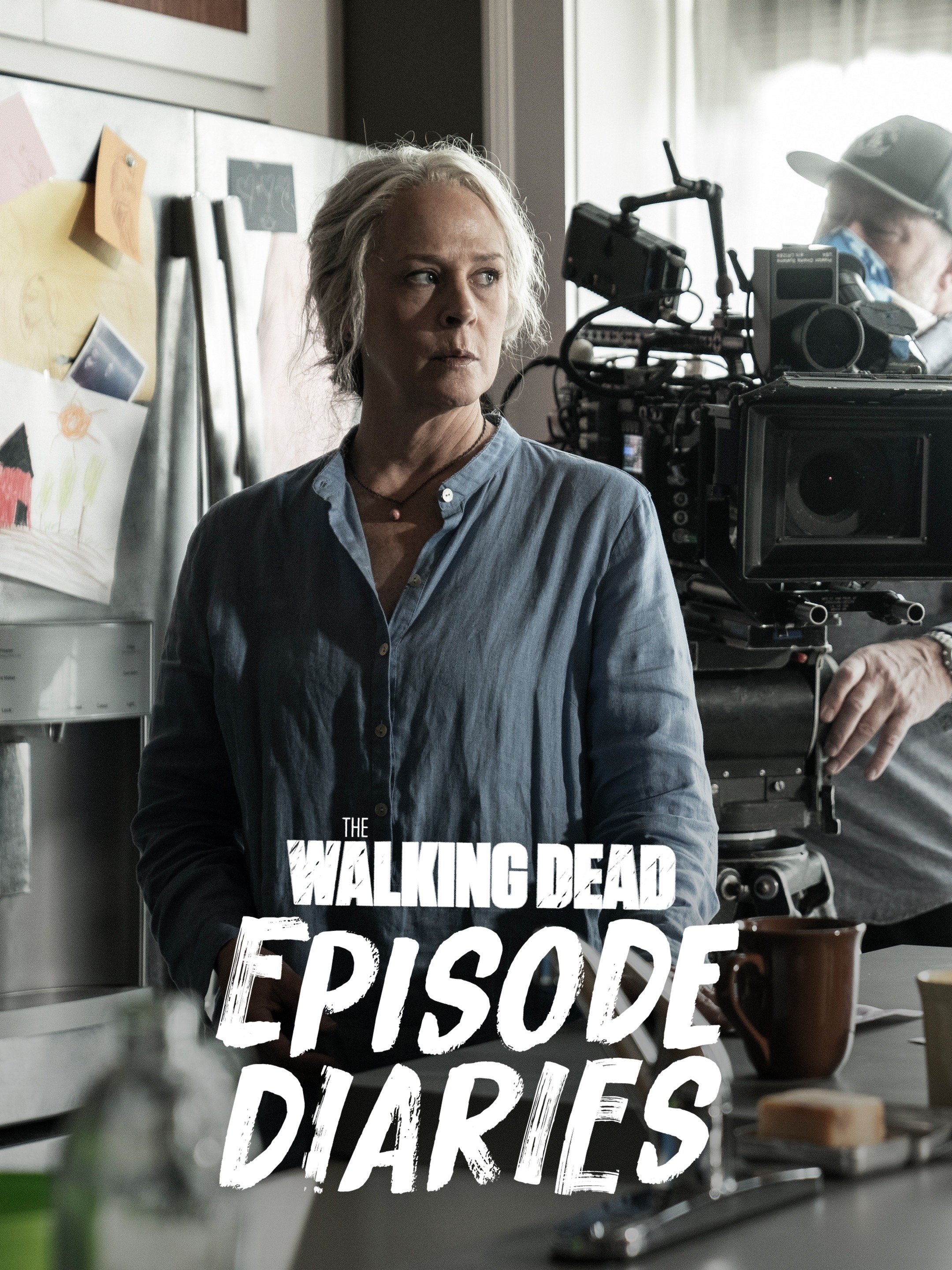
Look. We’ve all been there. You finish an episode of The Walking Dead—maybe it was the one where Sophia comes out of the barn or the absolute trauma of Negan’s introduction—and your head is just spinning. You need to talk about it. You need to process it. That’s exactly why The Walking Dead episode diaries became such a massive phenomenon during the show’s peak years. It wasn't just about watching a TV show; it was about chronicling a collective descent into a world where the rules didn't apply anymore.
Honestly, it's kinda wild looking back.
The "diaries" weren't just one thing. Sometimes they were official AMC digital content, sometimes they were fan-written blogs that felt more real than the scripts, and sometimes they were literal journals kept by the characters within the universe of the show. If you were a fan between 2010 and 2022, you probably stumbled upon these in one form or another. They served as a bridge. They took us from being passive viewers to being part of Rick’s group.
What Most People Get Wrong About The Walking Dead Episode Diaries
People usually think "episode diaries" just means a recap. Like, "First Rick woke up, then he found a horse, then he went to Atlanta."
That’s boring. That’s not what these were.
The real value of The Walking Dead episode diaries was the emotional inventory. When the show was at its best, it wasn't about the zombies (the "walkers," sorry). It was about the moral erosion. Fans used these diaries to track how far characters like Carol or Daryl had drifted from their former selves. You’d read a diary entry from a fan after Season 4, Episode 14 ("The Grove"), and it wouldn't just be a summary of what happened to Lizzie and Mika. It would be a visceral, heartbroken reaction to the phrase "just look at the flowers."
It was therapy.
The Official AMC Digital Extras
AMC knew what they had. They lean into the "diary" format hard. They released webisodes—like "Torn Apart" and "The Oath"—which acted as side diaries to the main narrative. These mini-stories gave us the history of the "bicycle girl" walker or the hospital where Rick stayed. These functioned as visual diaries that filled the gaps the main show couldn't reach.
If you haven't seen the "Cold Storage" webisodes, you're missing a huge chunk of the world-building. Chase, the protagonist there, basically lives out a diary-style survival story that mirrors Rick’s but with much lower stakes and more claustrophobia.
Why The Character-Driven Format Changed Everything
The show itself often used physical diaries as plot devices. Think about it.
Remember the Governor?
That man was a monster, but his diary—those pages filled with the repeated name of his daughter, Penny, until the writing just became scratches—told us more about his psychosis than any monologue ever could. It was a descent into madness captured in ink. When we talk about The Walking Dead episode diaries, we have to include these in-universe artifacts. They were the show's way of telling us that even in the apocalypse, humans have this desperate, almost primal need to record their existence.
They don't want to be forgotten.
The Fan Perspective: Living Through the Screen
Then you have the community-driven diaries. Websites like The Spoiling Dead Fans or even the massive threads on Reddit acted as live-updating diaries.
I remember the night of the Season 6 finale. The "Who did Negan kill?" cliffhanger. The internet didn't just explode; it documented its own frustration in real-time. Those forum posts are a time capsule. They are a diary of a fandom that was, quite frankly, exhausted but totally hooked. Reading back through those entries now is like looking at a history book of peak prestige television.
It’s messy. It’s loud. It’s human.
Deep Tracking: The Evolution of Survival
If you’re trying to use The Walking Dead episode diaries to track the series' timeline, you’re going to run into some snags. The show’s pacing is... let’s call it "deliberate."
- The Early Days (Seasons 1-2): The diaries here are all about hope. "Where is the government?" "Is there a cure?"
- The Middle Years (Seasons 3-5): The tone shifts. It becomes about "The Group." The entries get darker. We stop asking about a cure and start asking, "How do we stay alive today?"
- The Negan Era (Seasons 6-8): Total survivalism. The diaries reflect a sense of being trapped.
- The New World (Seasons 9-11): This is where it gets interesting. The diaries (like Judith’s perspective) start focusing on rebuilding. Legacy becomes the keyword.
It’s not just a show about dead people walking. It’s a show about how we document our own morality when the lights go out.
The Impact of "The Walking Dead: World Beyond"
We can't talk about diaries without mentioning World Beyond. The show was essentially a coming-of-age diary. Iris and Hope’s journey was literally about recording the world for a future generation. It was the most explicit the franchise ever got with the "diary" concept. While it didn't have the same grit as the original show, it leaned into the idea that the written word is the only thing that survives when the flesh rots away.
The Cultural Significance of Recapping the End of the World
Why do we care? Why did millions of people read these diaries every week?
Honestly, it’s because The Walking Dead was a slow burn. It wasn't Game of Thrones where things happened at breakneck speed. It was a slog through the woods. The The Walking Dead episode diaries helped people find the meaning in the quiet moments. They highlighted the significance of a shared cigarette between Abraham and Sasha or a look between Rick and Michonne.
Without these "diaries"—the fan-made ones and the official ones—the show might have felt too grim. The community engagement turned a depressing show into a shared survival exercise.
Real-World Survivalism and Fandom
There is an argument to be made that the diary format of the fandom actually prepared people for real-world isolation. During the 2020 lockdowns, The Walking Dead viewership spiked. Why? Because we were all suddenly living in our own versions of a "diary." We were marking days. We were watching the world change through our windows. The show, and the way we documented it, suddenly felt a lot less like fiction.
How to Find the Best Episode Diaries Today
If you're doing a rewatch—and honestly, with the spin-offs like The Ones Who Live and Daryl Dixon happening, you probably should—you need a guide.
Don't just watch the episodes. Follow the trail.
Look for old "Live Reaction" threads. Those are the truest The Walking Dead episode diaries you’ll find. They aren't polished. They aren't edited by some corporate SEO bot. They are raw. You’ll see people cheering for Shane one minute and calling for his head the next. You’ll see the exact moment the audience fell in love with Glenn.
Actionable Insights for Your Rewatch Journey
If you want to get the most out of the experience, try these specific steps:
- Sync your viewing with old podcasts: Listen to The Walking Dead Cast or Talking Dead archives immediately after an episode. They function as audio diaries of the time.
- Read the "Letter Hacks" in the comics: Robert Kirkman’s letters columns are the ultimate diary of the series' evolution. They show the creator's mindset versus the fans' expectations.
- Cross-reference with the "Red Machete" webisodes: Watch these alongside Season 4 and 5 to see how a single object can have its own diary of violence and survival.
- Track the "Days Since Outbreak" timelines: Use fan-maintained wikis to see how much time actually passes between episodes. It’s usually much less than you think.
The story of Rick Grimes and his family isn't just on the screen. It’s in the thousands of pages of fan theories, the frantic tweets, and the official AMC blog posts that kept us company for over a decade. Whether you're a "day one" fan or someone just starting to wonder why everyone was so obsessed with a guy in a sheriff's hat, these diaries are your map through the apocalypse.
Don't just watch the end of the world. Document it.
Start by picking a specific character—let's say, Carol Peletier. Watch her first episode and her last. Then, go find a fan-written diary or analysis from 2012 and compare it to one from 2022. The shift in how we perceived her "survival at all costs" mentality is the history of the show in a nutshell. It tells you everything you need to know about how our own views on morality changed alongside the characters. That's the power of the diary format. It doesn't just tell you what happened; it tells you who you were when it did.