You’ve probably heard people call St. Paul the "quieter" Twin City. It’s a common trope. People assume it’s just a sleepy, older sibling to Minneapolis, but if you actually look at the St Paul MN demographics right now in 2026, that narrative starts to fall apart pretty fast. Honestly, the city is in a weird, fascinating state of flux.
It is growing, yet shrinking. It is getting younger, yet the "Silver Tsunami" is real.
The Population Puzzle: 307,465 and Counting
Let’s get the big number out of the way. As of early 2026, St. Paul's population sits at approximately 307,465.
If you look at the 2020 Census, we were at 311,527. So, yeah, the math shows a slight dip—about 1.3%. But here is where it gets tricky. While the official Census Bureau estimates suggest a decline, the Metropolitan Council (the folks who actually track local building permits and trash pickups) thinks those numbers might be undercounting the urban core.
Basically, there’s a tug-of-war between two data sets. The Census sees people moving to the Sunbelt. The Met Council sees thousands of new apartments popping up in the West 7th and Highland Bridge areas and says, "Wait a minute, someone is living in those."
Who is actually living here?
The median age in St. Paul is roughly 33.5 to 34.6 years. That is significantly younger than the national average. Why? Because the city is a magnet for students and early-career professionals. You’ve got Macalester, St. Thomas, Hamline, St. Catherine—the list goes on. This constant influx of 18-to-22-year-olds keeps the vibe energetic, even if they often move to the suburbs once they start looking for a third bedroom and a two-car garage.
The Diversity Metric Nobody Talks About
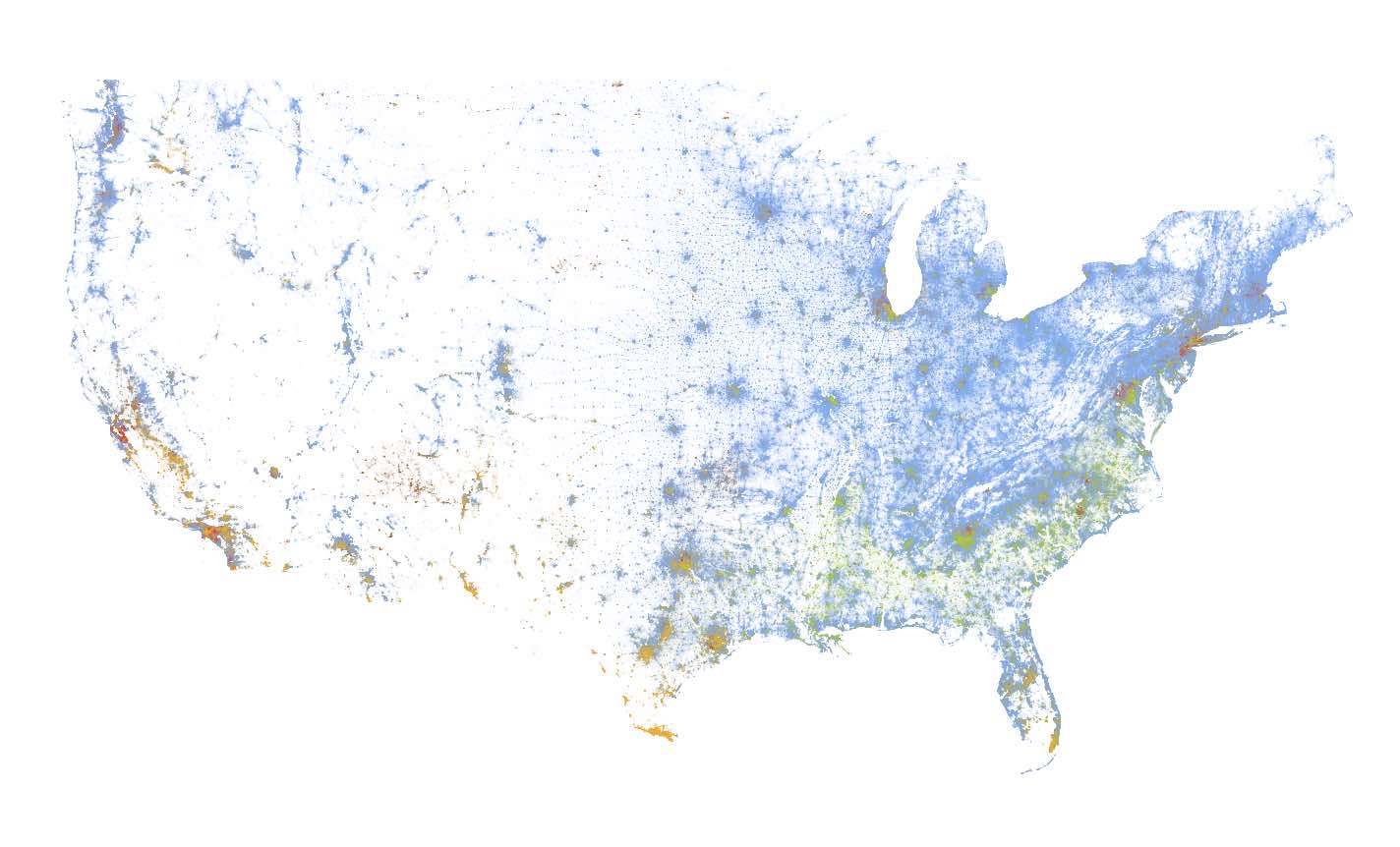
When people talk about St Paul MN demographics, they often overlook just how concentrated the diversity is. It’s not a monolith.
Currently, the racial breakdown looks something like this:
- White: 53.2%
- Asian: 17.9% (largely driven by the vibrant Hmong community, one of the largest in the country)
- Black or African American: 16.2%
- Hispanic or Latino: 9.1%
- Two or more races: 8.4%
But here’s the nuance: if you walk through Summit Hill, you’ll see a population that is over 78% White. Drive ten minutes over to Thomas-Dale (Frogtown) or the East Side, and the world changes. These neighborhoods are some of the most diverse tracts in the entire Midwest.
The Hmong population in St. Paul isn't just a statistic; it’s the backbone of the city's cultural and economic life. From the Hmong Village on Johnson Parkway to the annual New Year celebrations, this community has shaped the "Saintly City" more than almost any other group in the last 40 years.
The Wealth Gap is Real
Let’s talk money. It’s kinda uncomfortable, but the data is stark. The median household income in St. Paul is roughly $64,000 to $68,000, depending on which neighborhood you're looking at.
But "median" is a liar.
In zip code 55105 (the Mac-Groveland area), the median individual income is north of $53,000. In 55103 (near the Capitol), the poverty rate has historically hovered much higher, with thousands of households struggling to clear the $30,000 mark.
Interestingly, the city's unemployment rate is holding steady at about 3.9%. People are working. The issue in 2026 isn't a lack of jobs—it's the "mismatch." We have high-paying roles in med-tech and government, but housing costs have skyrocketed. The median value of owner-occupied homes is now well over $280,300, and good luck finding a decent one-bedroom apartment for under $1,250.
Why the "Shrinking Family" Trend Matters
One of the most surprising shifts in St Paul MN demographics is the household size. It’s shrinking.
In the 1950s, these Highland Park houses were packed with five or six kids. Now? The average household size is down to 2.42 people.
- Empty Nesters: Baby Boomers are staying in their big houses longer, which keeps inventory low.
- Delayed Marriage: Millennials and Gen Z are waiting longer to have kids, if they have them at all.
- Single-Person Households: Nearly 30% of the households in the urban core are just one person.
This shift is why you see developers building "alcove" apartments and studios rather than three-bedroom condos. The market is reacting to the fact that we are becoming a city of individuals and couples, not necessarily large nuclear families.
Practical Insights: Moving or Investing?
If you're looking at these numbers because you want to move here or maybe open a business, here’s the "so what."
First, don't ignore the East Side. While it has historically been overlooked, the demographic shifts show it's where the most "organic" growth is happening. It’s younger, grittier, and more affordable.
Second, Highland Bridge is the wildcard. The massive redevelopment of the old Ford plant site is essentially dropping a brand-new, high-density neighborhood into an established area. This is going to tilt the demographic scales toward high-income professionals and active seniors in the next three years.
Third, the "Education Premium" is huge. Over 43% of St. Paul residents have a Bachelor's degree or higher. This is a smart city. If you're a business, you have access to an incredibly literate and skilled workforce.
What to do next
- Explore the Neighborhoods: Don't just look at city-wide stats. Use the Saint Paul District Council maps to see the hyper-local data for places like Hamline-Midway or the West Side.
- Check the Rental Trends: If you're moving, look at the Metropolitan Council’s 2026 Housing Forecast. It’ll tell you where the "sweet spots" for rent are before they get gentrified.
- Engage with Culture: Visit the Hmong Cultural Center. You can't understand St. Paul's future without understanding the people who are currently building it.
The city isn't just a backup to Minneapolis. It’s a complex, aging, yet rejuvenating urban center that is carving out its own identity—one neighborhood at a time.